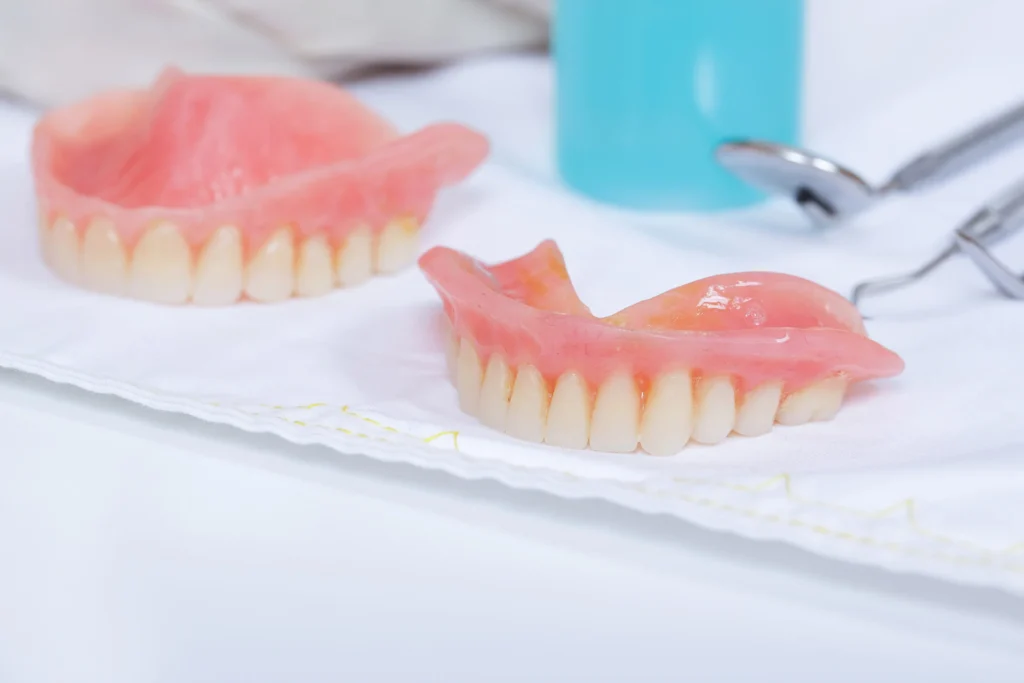
清迈 Kitcha 牙科诊所白布上的活动假牙,展示了专业的牙齿修复服务。
活动义齿

活动义齿 活动义齿是为仅剩几颗天然牙齿或失去所有牙齿的人设计的。这种假牙可以很方便地取下清洗。假牙由塑料或复合材料制成,与天然牙齿的颜色非常接近,其特点是基托由塑料或金属制成,固定在牙龈或口腔顶部。评估活动假牙的优缺点 活动假牙有几个优点,包括替代掉落的天然牙齿、提高掉牙者的生活质量以及恢复有效的咀嚼功能。但是,如果拔牙或牙龈随时间发生变化,可能需要进行额外的调整或更换。请考虑以下活动假牙的优点和缺点 优点 :缺点 :安装活动假牙的准备工作 安装活动假牙的过程包括几个步骤,通常需要看 5-6 次牙医。具体步骤如下 可摘义齿可能出现的并发症 可摘义齿的护理

清迈 Kitcha 牙科诊所的专业牙科护理服务。
牙科修复的社会保障

牙科修复社会保险除了提供洗牙、补牙、拔牙和智齿拔除保险外,社会保险还提供牙科修复福利。您可以在安装义齿之日起 5 年内申请义齿报销。义齿的详细分类如下 部分活动义齿 完全活动义齿

固定假牙(牙冠和牙桥)

牙冠和牙桥护理说明 1.牙科治疗后的注意事项 在最初的 2-3 天内,您的牙齿可能会对冷、热或压力有轻微的敏感。戴过牙冠或牙桥的牙齿在咬合时可能会有轻微的 "高 "感或不同的感觉;这种情况通常会随着咬合的调整而改善。 如果戴的是临时牙冠或牙桥,在进食或使用牙线时要小心,因为它们可能会脱落。牙冠和天然牙齿之间的边缘仍然可能发生蛀牙,尤其是在忽视口腔卫生的情况下。在某些情况下,安装牙冠后可能需要进行根管治疗,尤其是在出现症状或牙髓发炎的情况下。治疗可能需要钻穿牙冠或完全去除牙冠,以进入下层牙齿。 2.治疗后如何自我护理 在最初的 48-72 小时内,避免吃过硬、过粘或过热的食物 每天用软毛牙刷刷牙两次,并定期使用牙线或牙间刷 要特别注意牙冠边缘周围和牙桥下面的清洁、每 3-6 个月定期进行牙科检查,以发现牙冠或牙桥下方的早期蛀牙或损坏迹象 如果您晚上磨牙,请向牙医咨询夜用护齿器,以保护您的修复体 遵循牙医提供的所有口腔卫生指导 即使在安装牙冠后,正确的口腔卫生也至关重要。如果不注意口腔卫生,牙冠下可能会出现蛀牙,导致牙根感染,从而需要重新治疗或更换牙冠 3.治疗后应避免的事项 戴牙冠的牙齿不要咀嚼冰块、硬糖或果壳等硬物 避免咀嚼焦糖或口香糖等粘性食物,尤其是临时牙冠 避免用牙齿打开包装或咬硬物 避免食用高酸性食物或饮料,因为它们会磨损修复材料 不要忽视日常清洁,尤其是牙冠边缘和牙桥下方 4.何时联系诊所 牙冠或牙桥感觉松动、破裂、过高或脱落 你感到局部剧烈敏感,尤其是对甜食或寒冷 你出现深重、持久的牙痛或不适--这可能预示着潜在的牙髓炎症 你有明显的口臭或特定部位有异味 你看到冠牙周围的牙龈发红、肿胀或出血 这些症状可能预示着牙冠下有蛀牙、咬合不正或需要通过牙冠进行根管治疗。5.如何联系我们 如果您在治疗后有任何疑虑、问题或并发症,请联系吉沙牙科诊所。我们的员工将评估您的情况的紧迫性,并相应地安排预约的优先次序,以确保您得到及时的治疗。联系基查牙科诊所电话 (泰国):053-200201 或 091-797-7888 网站: https://www.kitchadentalclinic.com/contact-us/ LINE: nav.cx/5PmNyFR WhatsApp: https://wa.me/66917977888 Facebook Messenger: https://m.me/kitchaclinic 在整个治疗过程中,我们将为您的康复提供支持并确保您的健康。

隐适美透明矫治器

患者指南 隐适美 1.一般信息 隐适美(Invisalign)是一种透明矫治器系统,利用 3D 计算机技术制作个性化的矫治器。首先,牙医会为患者的口腔取模。然后将印模扫描成牙齿的数字模型。计算机程序根据牙医制定的治疗计划确定牙齿的分步移动。牙齿移动的每一个阶段都会被用作模板,用于制造各个隐适美矫正器。2.替代治疗 3. 治疗的风险和副作用 4.佩戴前/后护理 取下隐形矫治器 隐形矫治器的日常护理和清洁 隐形矫治器佩戴者的正确口腔卫生 隐形矫治器的保存 注意事项 禁忌事项    

Tooth Extraction

拔牙后护理说明 1.牙科治疗后的注意事项 拔牙后,出现轻度到中度不适、拔牙部位周围肿胀和少量出血是正常的。这些症状通常会在几天内消退。也可能会出现下颌轻微僵硬、难以完全张开嘴巴或咬合感觉暂时改变的情况。脸颊或下颌可能会出现瘀伤,特别是在手术拔牙后。这些都是自然愈合反应,一般会自行消退。拔牙部位渗血的情况也很常见,持续时间长达 24-48 小时。在此期间,如果发生出血,可将干净的纱布放在出血部位,然后用力咬住伤口边缘,帮助控制出血。这种简单的方法有助于确保伤口继续正常愈合,并将干槽症的风险降至最低。2.治疗后如何自我护理 轻轻但用力咬住牙医放置的纱布垫 1 到 2 个小时,以控制出血。在最初的 24 小时内,每次在脸颊外侧冷敷 15-20 分钟。遵医嘱服用所有药物,包括止痛药和抗生素。在最初的 48-72 小时内注意休息,避免剧烈活动。头天晚上睡觉时抬高头部。保持口腔卫生,仔细刷牙和漱口,第一天避开拔牙部位。24 小时后,每天用温盐水轻轻漱口数次,以促进伤口愈合。吃软的、凉的或温的食物,如汤、土豆泥或酸奶。多喝水,保持水分充足。遵循这些术后护理技巧可以大大减少不适感,有助于确保顺利恢复。在清迈牙科诊所(如 Kitcha Dental Clinic)就诊的患者可以期待专业的指导和贴心的术后护理说明,以满足他们的需求。3.治疗后应避免的事项 在最初的 24 小时内,不要用力漱口或吐痰。避免使用吸管或进行任何可能使血凝块脱落的吸吮动作。至少 72 小时内不要吸烟或饮酒,因为这可能会延迟伤口愈合。避免进食热、辣或硬的食物,以免刺激拔牙部位。不要用手指或舌头接触拔牙部位。避免用力擤鼻涕或闭着嘴打喷嚏,尤其是在拔牙部位靠近鼻窦的情况下。这些预防措施对防止并发症至关重要。如果您正在清迈的牙科诊所接受拔牙治疗,请务必遵照牙医的指示,以避免治疗后出现问题。4.何时联系诊所 如果出现以下情况,请及时联系诊所:持续出血超过两小时,按压后仍未止住 2-3 天后疼痛加剧(这可能是干槽症的征兆) 感染迹象,如发烧、发冷、肿胀加剧,或部位有恶臭或异味 脓性分泌物 呼吸或吞咽困难 及时与牙医沟通是安全康复的关键。在清迈声誉良好的牙科诊所(如 Kitcha Dental Clinic),我们鼓励患者报告异常症状,以便获得及时支持。5.如何联系我们 如果您在手术后有任何疑问,请联系 Kitcha Dental Clinic。我们的员工将评估紧急程度,并协助安排复诊。联系 Kitcha Dental Clinic:电话(泰国)053-200201 或 091-797-7888 网址: https://www.kitchadentalclinic.com/contact-us/ LINE: nav.cx/5PmNyFR WhatsApp: https://wa.me/66917977888 Facebook Messenger: https://m.me/kitchaclinic 我们的团队致力于确保您从手术到恢复的整个过程都舒适顺利。

固定正畸治疗-牙套

金属牙套正畸治疗后的术后护理说明 1.治疗后的注意事项 在您开始戴金属矫正器的过程中,会出现以下情况是正常的:刚戴上牙套后的 2-5 天内,牙齿和下颌会感到疼痛或压迫感 嘴唇、脸颊或舌头会因接触托槽或钢丝而受到轻微刺激 在最初的几天里,吃某些食物时会感到咀嚼困难或不适 这些症状都是暂时的,通常会随着口腔的适应而消失。正畸蜡和止痛药可以帮助缓解这种过渡。保持口腔卫生,防止龋齿和脱钙(白斑) 保持所有预定的预约(每 4-6 周一次),以进行适当的调整 如果发现托槽松动或钢丝探出,请尽快报告 如果您不确定如何清洁新区域周围,请咨询您的正畸医生 保持积极的态度--正畸治疗需要时间,但结果是值得的 2.治疗后如何自我护理 每餐后刷牙,使用软毛牙刷和正畸刷清洁托槽周围 使用正畸牙线或牙线穿线器清洁牙齿之间和钢丝下面 使用含氟漱口水漱口,帮助防止龋齿和牙龈发炎 避免吃硬、粘或脆的食物(如:糖果、口香糖、爆米花、饼干等)、将水果和硬蔬菜切成小块再吃 吃完甜食或饮料后要及时补充水分并清洁牙齿 如果正畸医生开了处方,请按照医生的指示使用橡皮筋或矫正器 3.治疗后应避免的事项 不要咀嚼钢笔、指甲或冰块等硬物 避免咬完整的苹果、玉米棒或面包皮 不要不刷牙或使用牙线,尤其是在睡前 避免过多的含糖食物和饮料,以免增加牙菌斑的堆积 不要尝试自行调整或摘除矫正器 4.何时联系诊所 如果发现以下情况,请立即联系吉沙牙科诊所:严重疼痛,几天后仍未改善 托槽或钢丝断裂或脱落 溃疡或溃疡恶化或不愈合 有关清洁或矫治器护理的问题或疑虑 5.如何联系我们 如果您在种植牙或植骨手术后有任何问题,请联系吉沙牙科诊所。我们的员工将评估紧急程度,并协助安排复诊。联系 Kitcha Dental Clinic:电话 (泰国):053-200201 or 091-797-7888 Website: https://www.kitchadentalclinic.com/contact-us/ LINE: nav.cx/5PmNyFR WhatsApp: https://wa.me/66917977888 Facebook Messenger: https://m.me/kitchaclinic 我们的团队致力于确保您从手术到康复的舒适和成功。

植牙手术

种植牙和植骨手术后的术后护理说明 1.术后注意事项 牙齿种植和植骨手术后,患者通常会感到轻度到中度不适,手术部位周围会出现肿胀或瘀伤。这通常发生在最初的 24-48 小时内。轻微的出血或渗出也是可以预见的,通常可以通过轻咬纱布来控制。嘴唇、下巴或脸颊部位可能会出现暂时性麻木或刺痛,尤其是涉及下颌骨时。这些都是种植牙治疗愈合阶段的自然反应。在清迈领先的种植牙诊所 Kitcha Dental Clinic,我们的患者会得到个性化的术后护理指导,以帮助确保种植牙的安全愈合和长期成功。2.术后如何自我护理 在手术部位咬住纱布垫 1-2 小时,以控制出血。在最初的 24-48 小时内,每次在脸颊外侧冷敷 15-20 分钟。遵医嘱服用所有处方药,包括抗生素和止痛药。除非得到牙医的许可,否则避免在手术侧过度说话、咀嚼或使用活动假牙。复诊时携带任何活动假牙或器具,以便牙医确保它们不会对手术区域造成压力。进食柔软、凉爽或温热的食物(如汤、酸奶、捣碎的食物);避免进食热、辣、粘或硬的食物。用软牙刷轻轻刷牙,避开手术部位。饭后和睡前用消毒漱口水或温生理盐水漱口。如有需要,请返回诊所进行定期复诊和拆线。适当的护理对成功实现骨结合(种植体周围的骨愈合)至关重要,这也是清迈吉查牙科诊所种植牙治疗的关键阶段。3.手术后应避免的事项 在最初的 24 小时内,避免用力漱口或吐痰。手术前后至少一周内不要吸烟,因为这会大大增加种植失败的风险。避免饮酒和摄入咖啡因,因为这可能会影响伤口愈合。避免用手指或舌头接触手术部位。除非得到牙医的特别许可,否则不要佩戴活动矫治器。遵循这些预防措施有助于愈合过程,并降低感染或种植体周围炎等并发症的风险。4.何时联系诊所 如果您发现以下情况,请立即联系吉沙牙科诊所:按压两小时以上仍出血 第三天后疼痛或肿胀加剧 感染迹象:发烧、发冷、流脓或有恶臭 7 天后持续麻木或感觉异常 牙冠松动、种植体移位或种植体部位有咔嗒声 5. 何时联系诊所?如何联系我们 如果您在种植牙或植骨手术后有任何疑问,请联系吉沙牙科诊所。我们的员工将评估紧急程度,并协助安排复诊。联系 Kitcha Dental Clinic:电话 (泰国):053-200201 或 091-797-7888 网址: https://www.kitchadentalclinic.com/contact-us/ LINE: nav.cx/5PmNyFR WhatsApp: https://wa.me/66917977888 Facebook Messenger: https://m.me/kitchaclinic 清迈的 Kitcha Dental Clinic 专门从事牙齿种植,提供先进的治疗方案和专业的手术护理。 我们的团队致力于确保您从手术到康复期间的舒适和成功。

清迈 Kitcha 牙科诊所使用高科技牙科设备进行安全有效的牙科治疗,并配备先进的空气净化系统,确保患者安全。
生物膜引导疗法(GBT)

Experience a New Level of Teeth Cleaning with GBT Looking for a dental cleaning that is more effective and comfortable than a normal air-flow procedure? Kitcha Dental Clinic in Chiang Mai, Thailand, offers Guided Biofilm Therapy (GBT) – a modern approach to dental cleaning that combines air polishing and ultrasonic scaling to remove plaque and calculus from teeth and gums, resulting in a more thorough and efficient cleaning that is superior to a normal air-flow procedure. At Kitcha Dental Clinic, we understand the importance of maintaining healthy teeth and gums, and our dental professionals are dedicated to providing the best possible care to our patients. That’s why we use GBT, a popular option among our patients who want a more comfortable and painless dental cleaning experience. GBT uses a fine powder to remove biofilm and stains from teeth, which is gentler and less abrasive than the traditional air-flow procedure. This allows for a more comfortable and painless cleaning experience for patients, while still achieving superior results. In addition, GBT’s specially formulated powder is gentle on teeth and gums, making it a safer and more effective option for those with sensitive teeth. GBT also uses ultrasonic scaling, a more efficient and effective method than manual scaling, to remove calculus and plaque from teeth and gums. This results in a more thorough and comfortable cleaning experience for patients, as well as a reduced risk of gum disease and other dental problems. At Kitcha Dental Clinic, we are proud to offer GBT as a valuable tool in the management of periodontal disease and the promotion of long-term oral health. Our patients have reported significant improvements in gum health and satisfaction after undergoing GBT, making it a popular choice for those who want to maintain healthy teeth and gums. With its superior cleaning technology, improved patient outcomes, and scientific support, GBT is a modern and valuable tool in the management of periodontal disease and the promotion of long-term oral health. If you’re looking for a more comfortable and painless dental cleaning experience in Chiang Mai, Thailand, visit Kitcha Dental Clinic and experience the benefits of GBT for yourself. Here are some scientific articles that support the benefits of GBT over traditional scaling and root planing: These studies provide strong evidence for the benefits of GBT over traditional scaling and root planing, and support its use as a valuable tool in the management of periodontal disease.

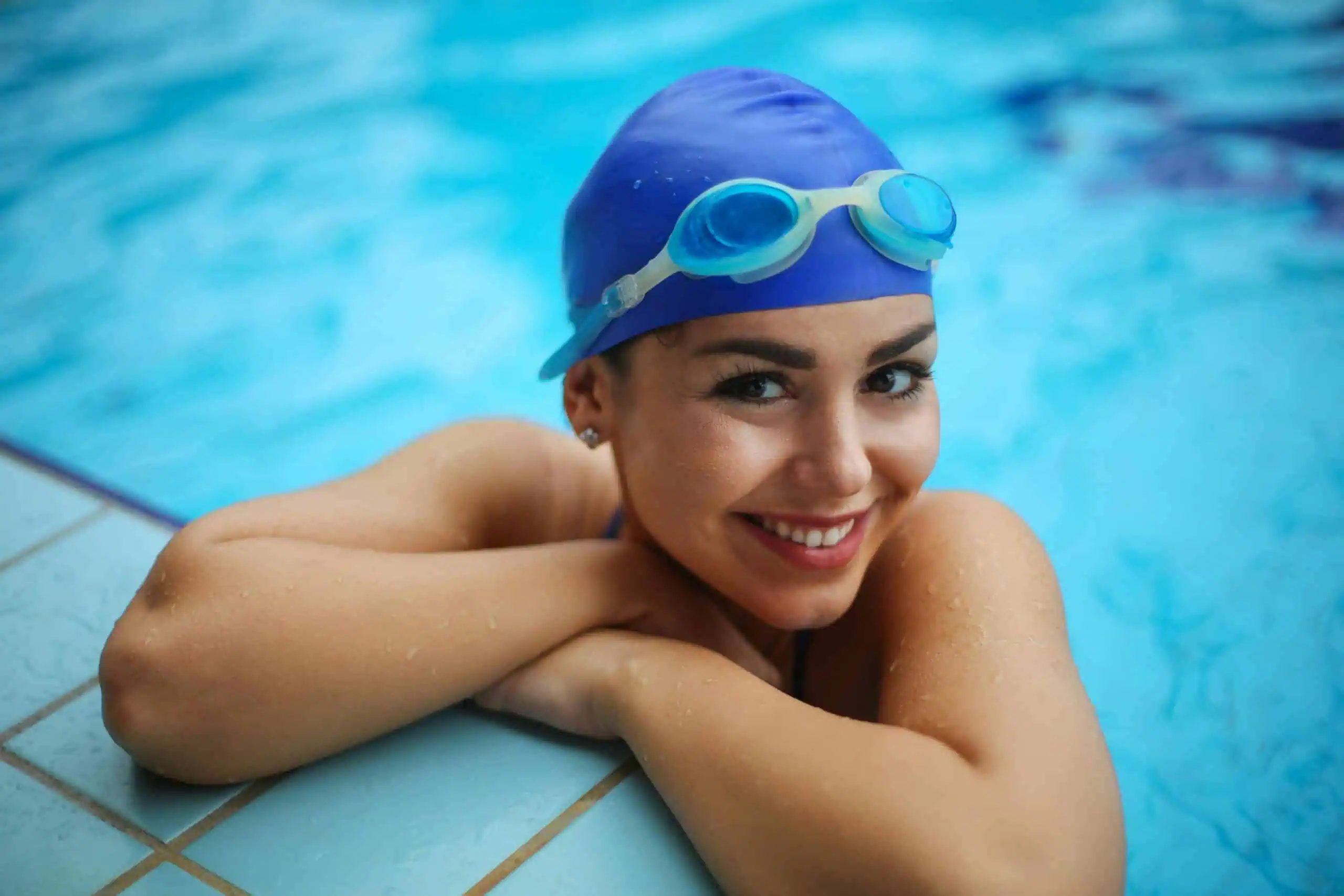
在清迈 Kitcha 牙科诊所,戴着泳帽和泳镜、面带微笑的女士在泳池边休息,展示放松和健康的一面,该诊所在泰国推广健康、牙科保健和水中健身。
The Impact of Chlorine in Swimming Pools on Dental Health

The Impact of Chlorine in Swimming Pools on Dental Health Swimming is an excellent way to stay fit and have fun, but regular swimmers may face an unexpected issue: the impact of chlorine on their teeth. Chlorine is widely used in swimming pools to keep the water clean and free from harmful bacteria. While it is effective for maintaining water quality, chlorine can have adverse effects on dental health. Chlorine and Its Effects on Teeth Chlorine is a strong chemical that, when added to swimming pools, reacts with water to form hypochlorous acid and hydrochloric acid. These acids help in disinfecting the pool but can also create an environment that is not friendly to teeth. Swimmers who spend a lot of time in chlorinated pools might experience dental erosion or sensitivity due to prolonged exposure to these acids. Dental erosion occurs when the enamel, the hard, protective coating on the surface of teeth, is worn away by acidic substances. Chlorinated pool water can have a low pH, making it acidic enough to contribute to the erosion of dental enamel. As the enamel erodes, the underlying dentin, which is softer and more vulnerable, becomes exposed. This can lead to increased sensitivity, discoloration, and a higher risk of cavities. Exposure to chlorinated water can lead to increased tooth sensitivity. When the enamel is eroded, hot, cold, or sweet foods and drinks can cause discomfort or pain. Additionally, the acids in chlorinated water can cause staining and discoloration of the teeth, leading to an unattractive appearance and potentially affecting self-confidence. Research Findings Studies and Observations: Case Studies: In a case study published in the Journal of the American Dental Association, a young competitive swimmer exhibited severe dental erosion and sensitivity. Upon investigation, it was found that the pool’s pH levels were not adequately regulated, leading to excessive chlorine exposure and subsequent dental damage. Preventive Measures for Swimmers Swimmers can take several steps to protect their teeth from the harmful effects of chlorine: 1. Regular Dental Check-ups: Regular visits to the dentist can help detect early signs of dental erosion and address any issues before they become severe. 2. Mouthguard Use: Wearing a mouthguard while swimming can help minimize direct exposure of teeth to chlorinated water. 3. Rinse After Swimming: Rinsing your mouth with fresh water after swimming can help wash away chlorine and reduce its impact on teeth. 4. Maintain Good Oral Hygiene: Brushing twice a day with fluoride toothpaste and flossing daily can strengthen enamel and protect teeth from erosion. 5. Stay Hydrated: Drinking plenty of water helps maintain a healthy flow of saliva, which neutralizes acids and washes away harmful substances. While swimming is a great way to maintain physical fitness, it’s important to be aware of the potential impact of chlorine on dental health. By understanding the risks and taking preventive measures, swimmers can enjoy the benefits of swimming without compromising their dental well-being. Regular dental care, protective practices, and good oral hygiene are key to ensuring that teeth remain healthy and strong, even for avid swimmers.