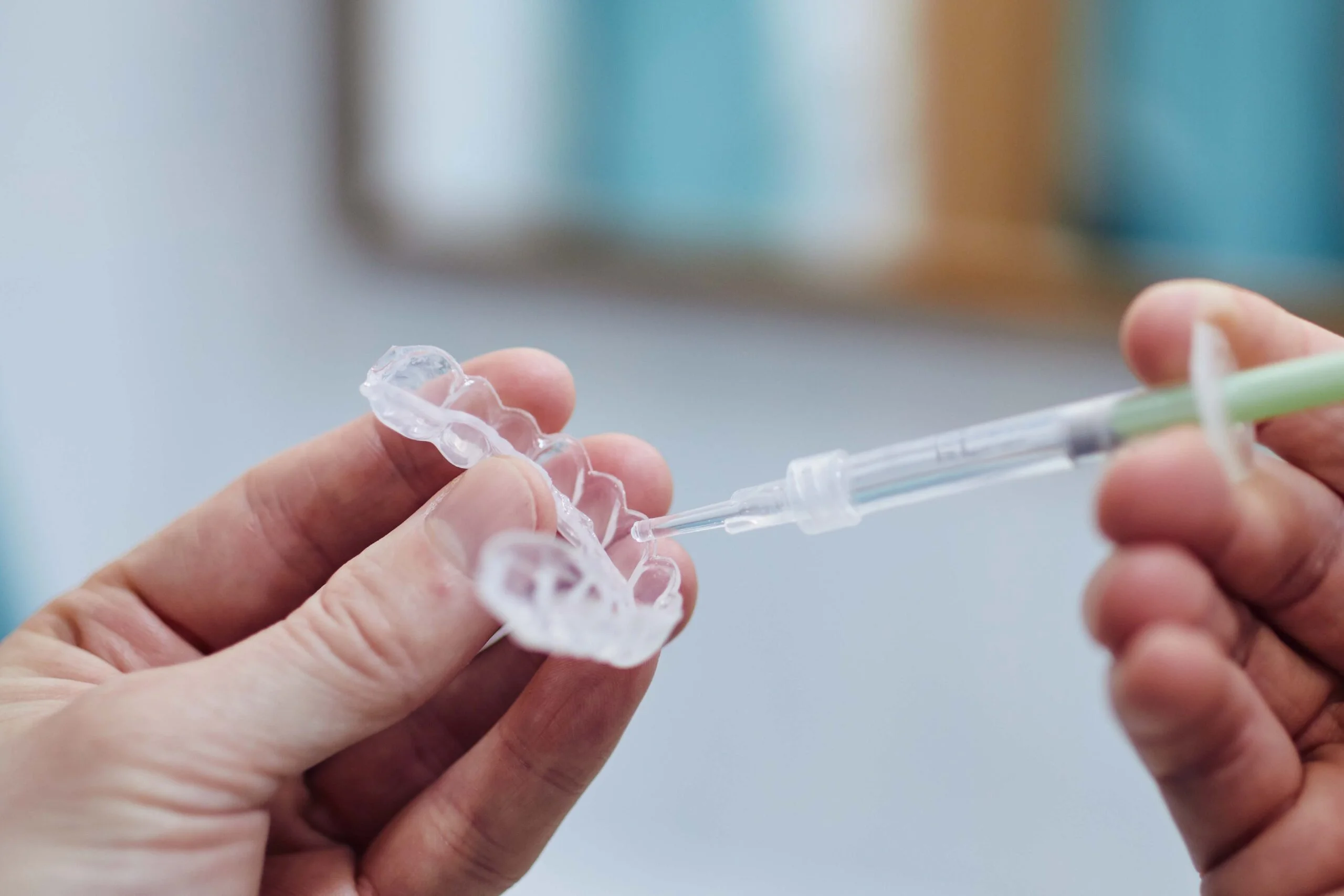
Clear dental aligners being filled with dental resin or adhesive for orthodontic treatment at Kitcha Dental Clinic Chiang Mai.
Opalescence PF Tooth Whitening Gel (Home Bleaching)

Opalescence PF is  : a water-based tooth whitening gel with concentrations of 10%, 15%, 20%, and 35%. It contains hydrogen peroxide at 10%, 15%, 20%, and 35%, respectively. This formula is used for teeth whitening, with results varying based on individual needs. It helps maintain tooth moisture during the whitening process. The higher concentration of the gel not only reduces sensitivity but also decreases the likelihood of shade relapse in the future. This is because the patient’s teeth remain moisturized from the beginning to the end of the whitening process. Mechanism of Action: Hydrogen peroxide infiltrates the tooth structure, then breaks down into water and oxygen. These oxygen molecules bind to the color molecules that make teeth appear yellow or dark, causing them to break down. As a result, the teeth appear whiter. 1. Precautions before using the whitening gel: Patients should consult a dentist to assess their dental and gum health. The dentist will select the appropriate formula and provide guidance and close monitoring. 2. How to use the whitening gel: 3. Precautions: 4. Side effects: Some potential side effects of using the whitening gel may include 5. Storage instructions: Recommendations:
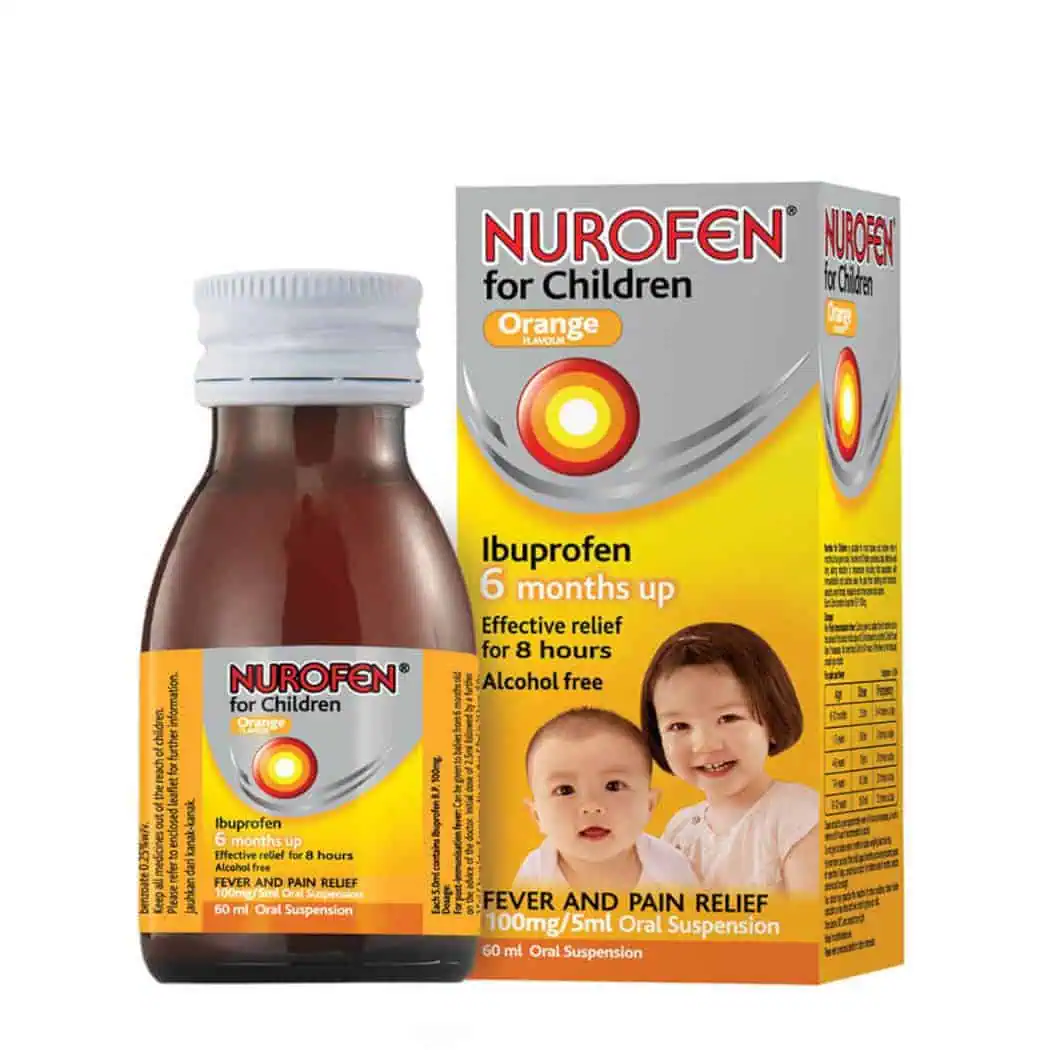
Ibuprofen 100mg / 5ml (Syrup)

Ibuprofen 100mg / 5ml (Syrup) Ibuprofen 100mg / 5ml (Syrup) is a nonsteroidal anti-inflammatory drug (NSAID) used for pain relief, fever reduction, and inflammation inhibition. 1) Precautions Before Using Ibuprofen 100mg / 5ml (Syrup) Do not use Ibuprofen syrup in individuals with the following conditions: 2)  How to use the medication: 2.1. What to do if you miss a dose: 3) Precautions while using the medicine:  4) Potential risks from the medication:  5) How to store the medicine: Note: This information is a general summary. Please read the medication label carefully before use and consult your doctor or pharmacist if you have any questions. Ibuprofen Syrup in Dental Treatment Why this medicine is prescribed Ibuprofen syrup is a non-steroidal anti-inflammatory drug (NSAID) in a form made for children. This medicine acts to reduce the inflammation and swelling that follow a dental procedure, and as the inflammation settles the pain eases with it. For that reason it should be given on the schedule your dentist set out, rather than only when your child appears to be in pain, because the inflammation continues even at times when your child feels no pain. Keeping the inflammation under control supports eating, rest and healing during the first days after treatment. Medication manages what your child feels. It does not remove the cause of the problem — a tooth that needs treatment still needs treatment. Which dental procedures it is prescribed for Tooth Extraction / Swelling and Infection / Root Canal Treatment for Children — Pediatric Dentistry If your child will not take the medicine, or if you are unsure how much to give, please contact the clinic before skipping a dose or estimating the amount yourself.

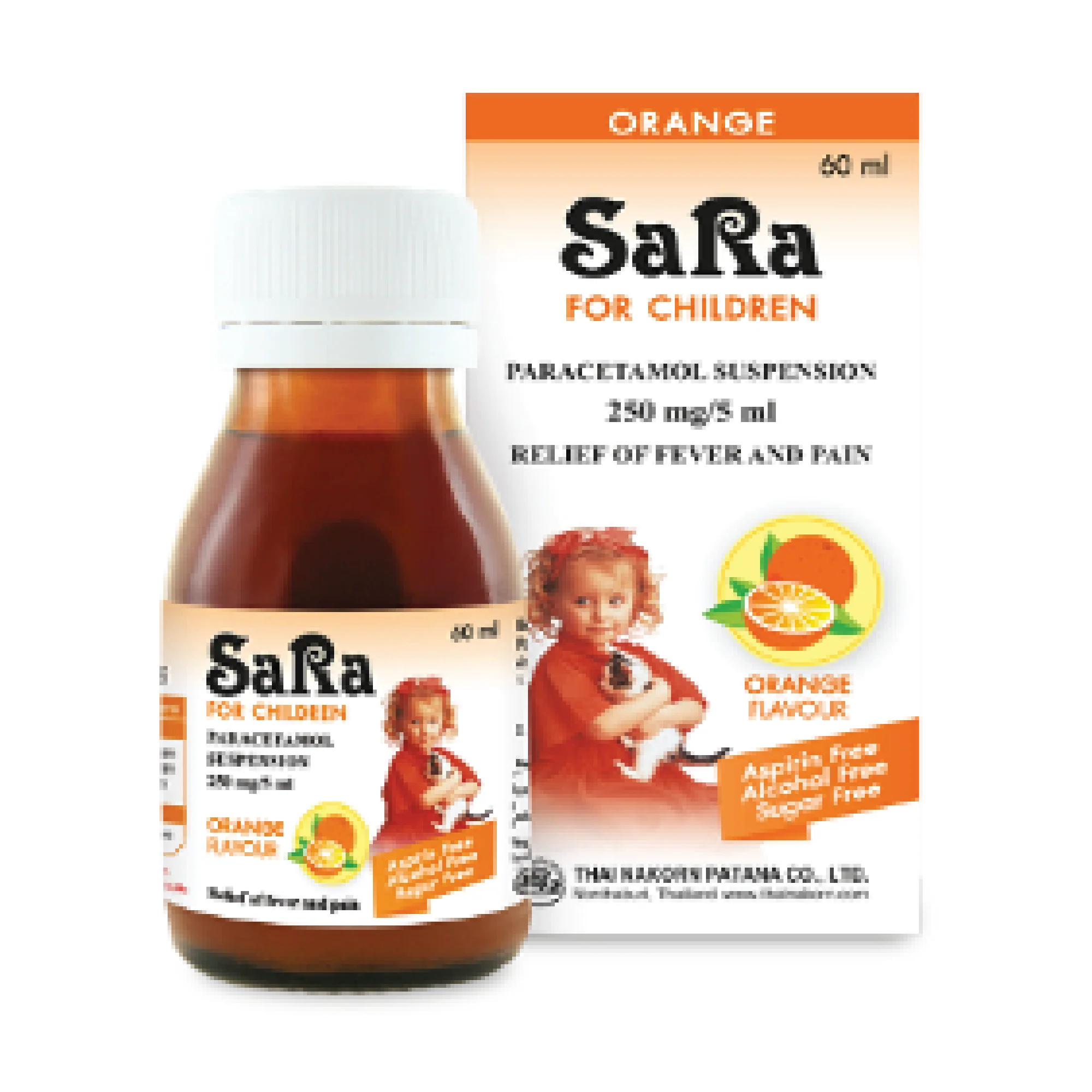
Orange flavored pediatric fever relief syrup for children, contains paracetamol 250 mg/5 ml, suitable for managing fever and pain, with child-friendly packaging and flavor.
Paracetamol 250 mg / 5ml (Syrup)

Paracetamol 250 mg / 5ml (Syrup) Paracetamol 250 mg / 5ml (Syrup) is a commonly used pain reliever and fever reducer. It works by inhibiting the synthesis of prostaglandins, which are substances that cause pain and fever. 1) Precautions Before Using Paracetamol 250 mg / 5ml (Syrup) Do not use the medication in individuals with the following conditions: 2)  How to use the medication: 2.1. What to do if you miss a dose: 3) Precautions while using the medicine:  4) Potential risks from the medication:  5) How to store the medicine: Note: This information is a general summary. Please read the medication label carefully before use and consult your doctor or pharmacist if you have any questions. Paracetamol Syrup in Dental Treatment Why this medicine is prescribed Paracetamol syrup is a painkiller in a form made for children. This medicine relieves pain. It does not reduce inflammation or swelling — that is the action of a different group of painkillers. Giving it at the times you were told, rather than waiting until your child is in severe pain, keeps discomfort steadier during the first days after treatment. Medication manages what your child feels. It does not remove the cause of the problem — a tooth that needs treatment still needs treatment. Which dental procedures it is prescribed for Tooth Extraction / Swelling and Infection / Root Canal Treatment for Children — Pediatric Dentistry If your child will not take the medicine, or if you are unsure how much to give, please contact the clinic before skipping a dose or estimating the amount yourself.

Amber glass bottle of Coamox 250 dry syrup, medication for bacterial infections, with a white label and orange cap, on a white background.
Amoxicillin Syrup 250 mg/5 ml.

Amoxicillin Syrup 250 mg/5 ml. Amoxicillin Syrup 250mg/5ml is a penicillin-type antibiotic used to treat bacterial infections such as those affecting the respiratory system (e.g., ear infections, sinusitis, bronchitis, pneumonia), urinary tract infections (e.g., cystitis, kidney infections), skin and soft tissue infections, and gastrointestinal infections (eg salmonella). 1) Precautions Before Using Amoxicillin Syrup Do not use the medication in individuals with the following conditions: 2)  How to use the medication: 2.1. What to do if you miss a dose: 3) Precautions while using the medicine:  4) Potential risks from the medication:  5) How to store the medicine: Note: This information is a general summary. Please read the medication label carefully before use and consult your doctor or pharmacist if you have any questions. Amoxicillin Syrup in Dental Treatment Why this medicine is prescribed Amoxicillin syrup is an antibiotic in a form made for children. An antibiotic is not a painkiller — it does not relieve pain. It is prescribed to treat an infection, or to reduce the risk of one after a dental procedure. Please give every dose, for as many days as the dentist prescribed, even after your child seems well again. Medicine alone does not repair the tooth or the gum where the infection started — that still needs treatment. Which dental procedures it is prescribed for Tooth Extraction / Swelling and Infection / Root Canal Treatment for Children — Pediatric Dentistry If your child will not take the medicine, or if you are unsure how much to give, please contact the clinic before skipping a dose or estimating the amount yourself.

Triamcinolone 0.1% Oral paste

Triamcinolone 0.1% Oral paste Triamcinolone acetonide 0.1% in oral paste is a topical corticosteroid presented in a paste that sticks to moist tissue inside the mouth. It is used for the short-term relief of inflamed or ulcerated areas of the mouth, such as mouth ulcers and sore spots caused by dentures or orthodontic appliances. The paste forms a thin protective film over the area, which reduces inflammation and discomfort while the tissue heals. It relieves symptoms; it does not treat the underlying cause. Use it only as directed by your dentist, doctor or pharmacist. 1) Precautions Before Using Triamcinolone 0.1% Oral paste: Do not use the medication in the following situations: 2) How to use the medication: 2.1 If you forget to apply Triamcinolone 0.1% Oral paste: 2.2 Precautions: 2.3 Precautions while using the medicine: 3) Potential risks from the medicine: A brief burning or stinging sensation where the paste is applied, irritation of the area, and thinning of the lining of the mouth. Prolonged use of a corticosteroid in the mouth can allow a fungal infection such as oral thrush to develop. Tell your dentist if you notice white patches, worsening soreness, or an ulcer that will not heal. 4) How to store the medication: Store Triamcinolone 0.1% Oral paste at room temperature, away from direct sunlight. Keep the tube tightly closed and out of reach of children. Note: This information is a general summary. Please read the medication label carefully before use and consult your dentist, doctor or pharmacist if you have any questions.

Prednisolone 5 mg. (tablet)

Prednisolone 5 mg. (tablet) Prednisolone is a medication belonging to the group of steroids used to alleviate allergic reactions, reduce severe inflammation, and treat certain diseases caused by abnormal immune system function. Diagnosis by a physician is required as the use of this medication may pose serious risks and should only be prescribed by a doctor. 1) Precautions Before Using Prednisolone: Do not use this medication when 1.1 Precautions while using the medication: Avoid or consult a doctor before using this medication in the following cases as it may exacerbate the condition or pose increased risks:  2)  How to use the medication: Dosage and Administration 2.1 If a dose is missed 3) Precautions while using the medication: 4) Potential risks from the medication:  Symptoms requiring immediate cessation of the medication and prompt medical attention include: Symptoms that do not necessarily require cessation of the medication but warrant medical attention if severe include: 5) How to store the medication: Note: This information is a general summary. Please read the medication label carefully before use and consult your doctor or pharmacist if you have any questions. Prednisolone in Dental Treatment Why this medicine is prescribed Prednisolone is a corticosteroid. Your dentist prescribed it to reduce the swelling that follows a major oral or jaw operation. It is not a painkiller and it is not an antibiotic, so it does not replace anything else you were given. Take it exactly as prescribed, and if you have any question about it, please ask the clinic rather than changing it yourself. Medication manages what you feel. It does not remove the cause of the problem — a tooth that needs treatment still needs treatment. Which dental procedures it is prescribed for Jaw Surgery Dental Implants — Dental Implants, Post-Operative Care Tooth Extraction / Wisdom Teeth — Tooth Extraction, Wisdom Teeth, Post-Operative Care If pain persists or worsens, please contact the clinic.

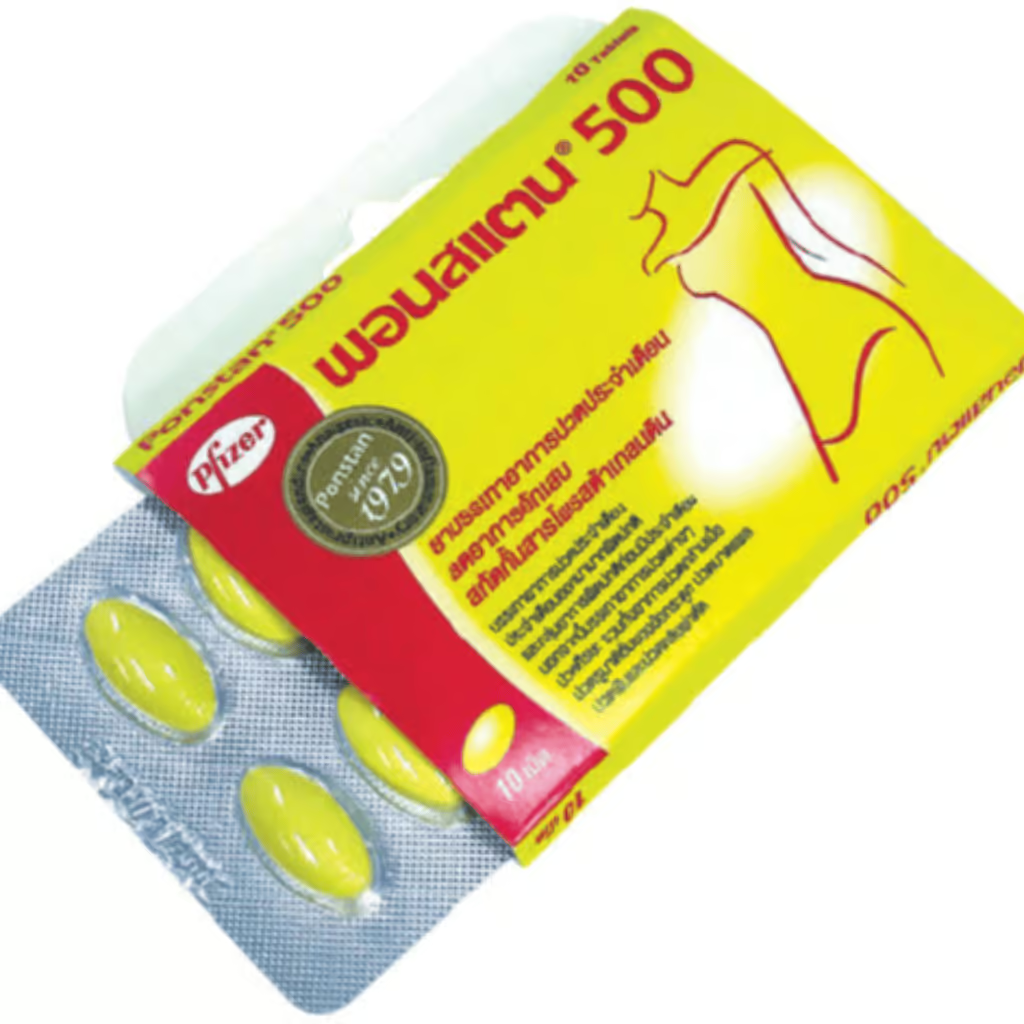
Ponstan 500 mg.

Ponstan 500 mg. Ponstan is a medication belonging to the group of nonsteroidal anti-inflammatory drugs (NSAIDs) containing Mefenamic acid. It is used to treat mild to moderate pain and is particularly effective in relieving menstrual pain. It is commonly used during menstrual cycles. 1) Precautions Before Using Ponstan: Do not use Ponstan 500 mg. in individuals with the following conditions:  2)  How to use the medication:  2.1. If a dose is missed:  3) Precautions while using the medication: 4) Potential risks from the medication: Common side effects may include: 5) How to store the medication: Note: This information is a general summary. Please read the medication label carefully before use and consult your doctor or pharmacist if you have any questions. Ponstan in Dental Treatment Why this medicine is prescribed Ponstan is a non-steroidal anti-inflammatory drug (NSAID). It does more than relieve pain — it also reduces the inflammation and swelling that follow a dental procedure. This is why it is worth taking on the schedule you were given, rather than only when the pain becomes hard to bear. Keeping pain and swelling under control makes eating, sleeping and healing easier in the first days after treatment. Medication manages what you feel. It does not remove the cause of the problem — a tooth that needs treatment still needs treatment. Which dental procedures it is prescribed for Tooth Extraction / Wisdom Teeth — Tooth Extraction, Wisdom Teeth, Post-Operative Care Root canal treatment — Root canal treatment, Post-Operative Care Gum Surgery — Periodontics, Post-Operative Care Dental Implants — Dental Implants, Post-Operative Care If pain persists or worsens, please contact the clinic.

Paracetamol medication box and tablets for pain relief from Kitcha Dental Clinic Chiang Mai, Thailand.
Paracetamol 500 mg. (tablet)

Paracetamol 500 mg. (tablet) Paracetamol is a medication in the group of fever reducers and mild to moderate pain relievers. It is used for conditions such as headaches, muscle aches from colds, toothaches, menstrual cramps, muscle pain, back pain, and osteoarthritis. 1) Precautions Before Using  Paracetamol: Use Paracetamol with caution in individuals with the following conditions:  2)  How to use the medication:  3) Precautions while using the medication: 4) Potential risks from the medication: Common side effects may include: 5) How to store the medication: Note: This information is a general summary. Please read the medication label carefully before use and consult your doctor or pharmacist if you have any questions. Paracetamol in Dental Treatment Why this medicine is prescribed Paracetamol is a painkiller. This medicine relieves pain. It does not reduce inflammation or swelling — that is the action of a different group of painkillers. Taking it at the times you were given, rather than waiting until pain becomes severe, keeps discomfort steadier during the first days after treatment. Medication manages what you feel. It does not remove the cause of the problem — a tooth that needs treatment still needs treatment. Which dental procedures it is prescribed for Tooth Extraction / Wisdom Teeth — Tooth Extraction, Wisdom Teeth, Post-Operative Care Root canal treatment — Root canal treatment, Post-Operative Care Gum Surgery — Periodontics, Post-Operative Care Dental Implants — Dental Implants, Post-Operative Care If pain persists or worsens, please contact the clinic.

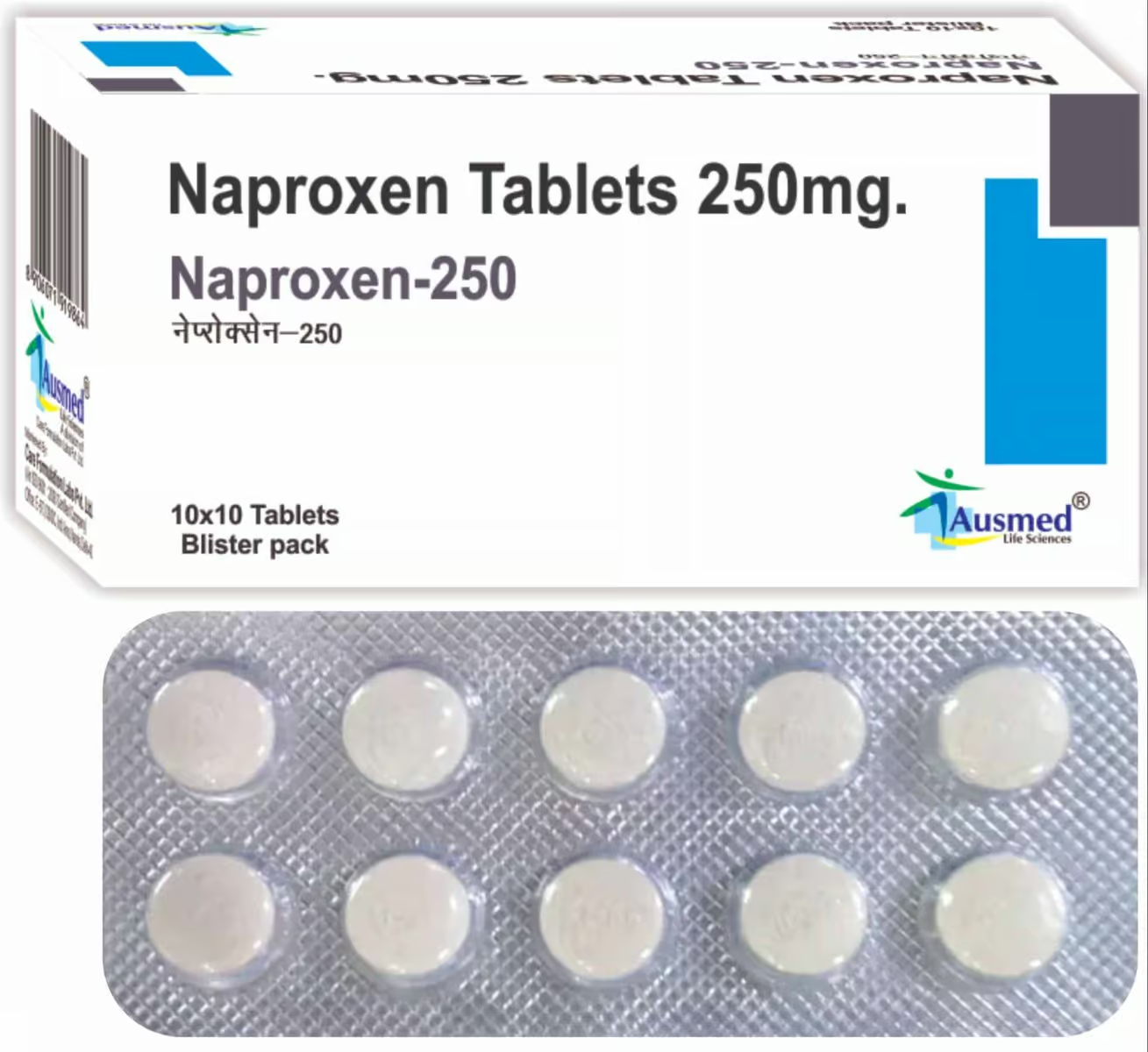
Naproxen 250 mg. (tablet)

Naproxen 250 mg. (tablet) Naproxen belongs to the group of Non-Steroidal Anti-Inflammatory Drugs (NSAIDs), which are anti-inflammatory drugs that are not steroids. It works by reducing hormones that cause inflammation and pain in the body. Naproxen is used to treat pain, swelling, and inflammation caused by various conditions such as arthritis, tendonitis, rheumatoid arthritis, gout, muscle pain, or menstrual cramps. Naproxen is considered a dangerous drug with significant contraindications and side effects. Therefore, its use should be guided by a doctor or pharmacist’s advice. 1) Precautions Before Using Naproxen :   2)  How to use the medication : Note: If an overdose occurs, closely monitor for abnormal symptoms. If severe abnormal symptoms such as dizziness, drowsiness, fainting, abdominal discomfort, confusion, nausea, vomiting, or high blood pressure occur, seek medical attention immediately.  3) Precautions while using the medication: 4) Potential risks from the medication: 5) How to store the medication: Note: This information is a general summary. Please read the medication label carefully before use and consult your doctor or pharmacist if you have any questions. Naproxen in Dental Treatment Why this medicine is prescribed Naproxen is a non-steroidal anti-inflammatory drug (NSAID). This medicine acts to reduce the inflammation and swelling that follow a dental procedure, and as the inflammation settles the pain eases with it. For that reason it should be taken on the schedule your dentist set out, rather than only when pain appears, because the inflammation continues even at times when you do not feel pain. Keeping the inflammation under control supports eating, rest and healing during the first days after treatment. Medication manages what you feel. It does not remove the cause of the problem — a tooth that needs treatment still needs treatment. Which dental procedures it is prescribed for Tooth Extraction / Wisdom Teeth — Tooth Extraction, Wisdom Teeth, Post-Operative Care Root canal treatment — Root canal treatment, Post-Operative Care Gum Surgery — Periodontics, Post-Operative Care Dental Implants — Dental Implants, Post-Operative Care If pain persists or worsens, please contact the clinic.