

Oral Surgery
Wisdom Teeth Removal. Jaw Surgery. Dental Implants. Surgical dental procedures require careful planning and detailed diangoses prior to actual surgical day.
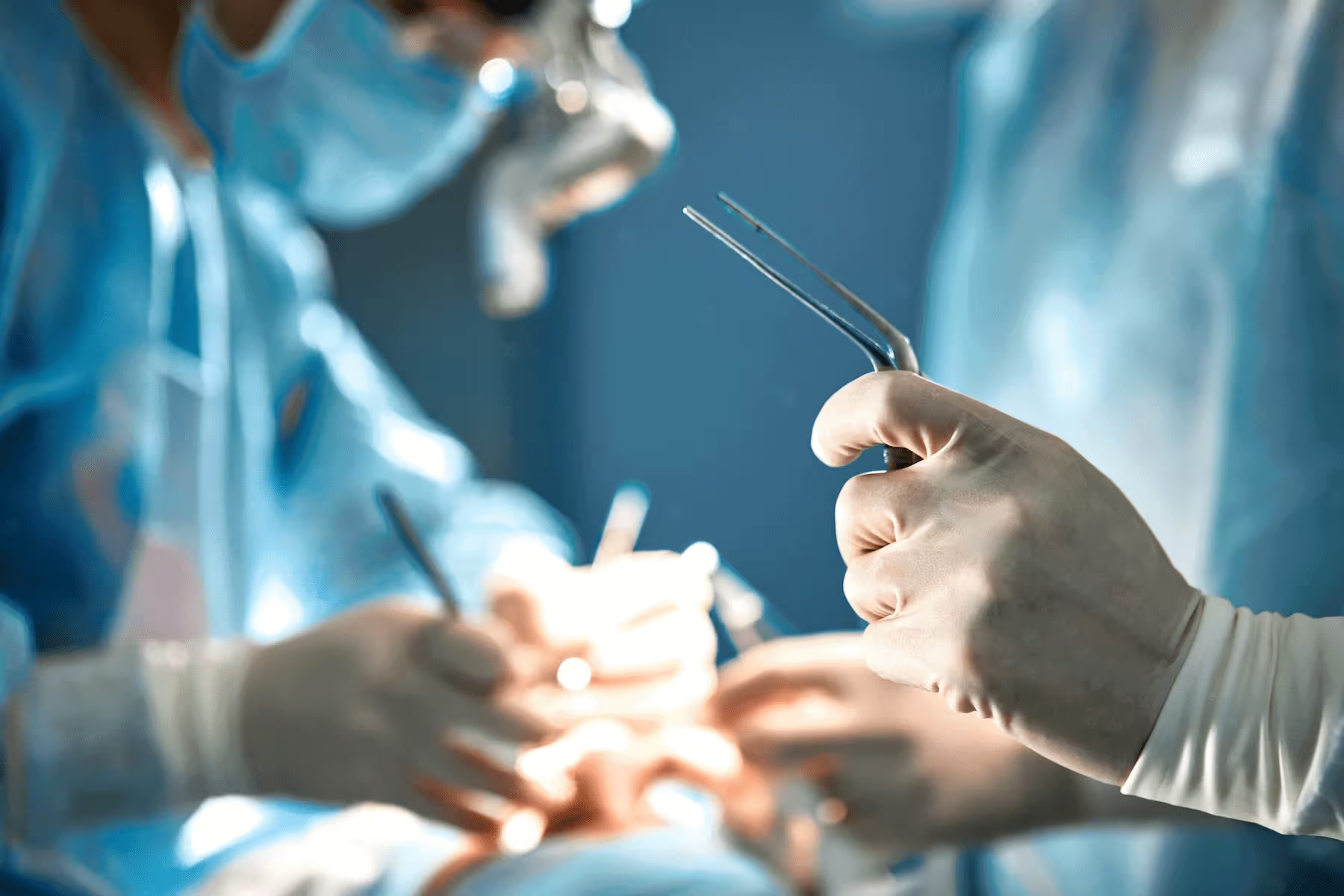
Kitcha Dental Clinic follows strict evidence-based sterilisation standards and treatment protocols across all dental treatment, with particular focus on surgical procedures. On the day of surgery, surgical sites are marked and verified, and equipment and materials are checked before and after surgery. The clinic holds TDCA 2403 Level 3 accreditation, passed in April 2026.
Common Oral Surgery Treatments

TOOTH EXTRACTION
- Normal Tooth Removal
- Surgical Tooth Extraction
- Wisdom Tooth Extraction

TOOTH IMPLANT
- Single Gap
- Mulitple Gaps
- Full Jaw

JAW SURGERY
- Orthognathic Surgery
- Orthodontic Treatments
Oral Surgery Clinic

Professional Healthcare Team & Oral Surgeons
Oral and maxillofacial surgery team with postgraduate surgical training
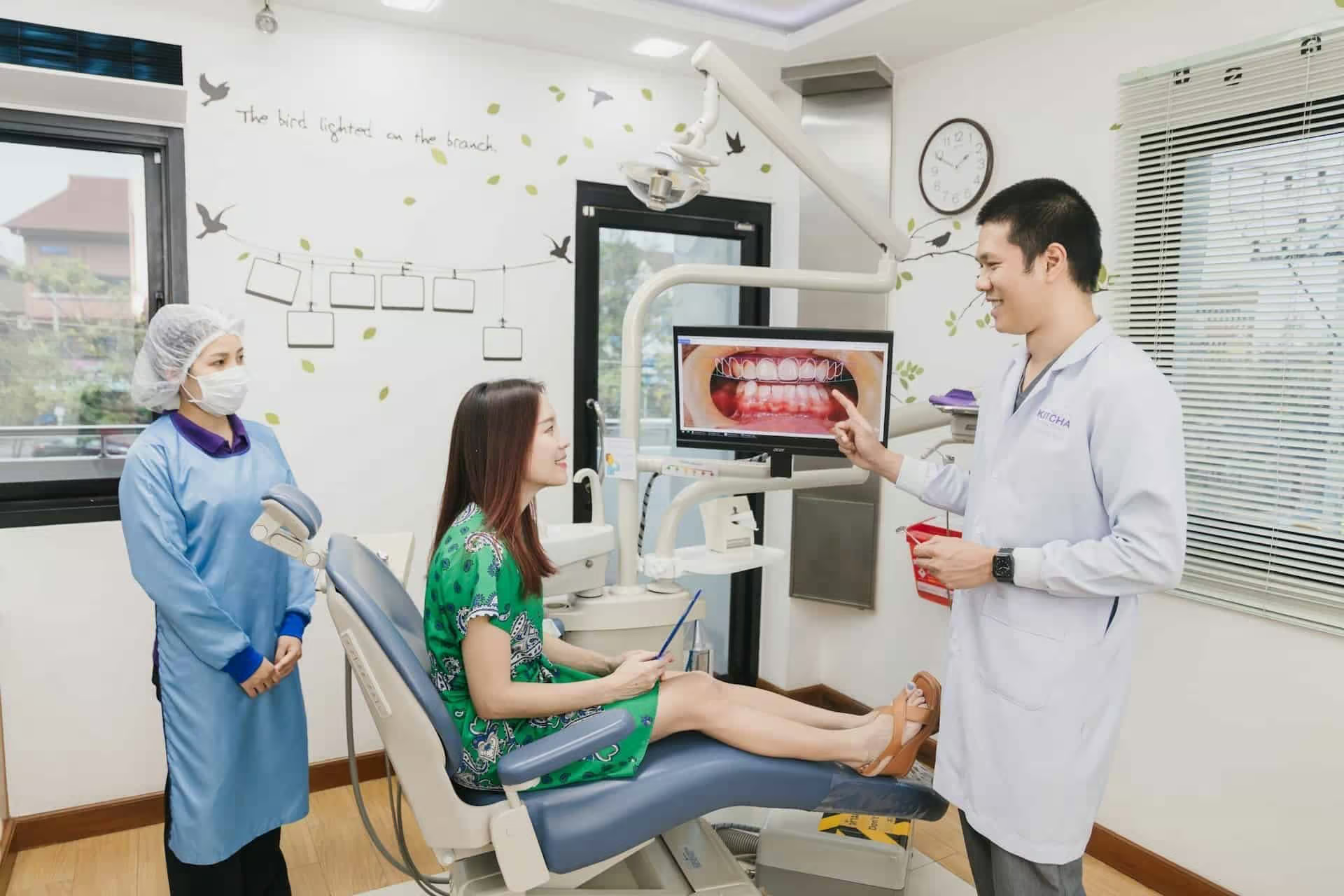
Nitrous Oxide & Oral Sedation Options
Inhalation sedation to help you feel more comfortable during treatment
TOOTH EXTRACTION
Tooth Extraction
Tooth extraction is done only when prognoses of teeth is poor and can no longer be restored. Tooth extraction is a simple process and is completed in one visit. After tooth is removed, your gums are left to heal for about 2 months before the missing gap is replaced by dental bridges, dental implants or dentures. Replacing missing teeth is recommended to prevent adjacent teeth from shifting into the empty space or bone resorption over the long term that makes treatment harder and more costly.
Surgical Tooth Extraction
When teeth or portions of teeth are embedded deeply under your gums below the surface or impacted, surgical tooth extraction may be required to remove the tooth. Unlike normal tooth extraction, surgical removal involves more complexity as a small incision is made into your gums and surrounding bone to the tooth may need to be cut before the tooth can be extracted.
Wisdom Teeth
If wisdom teeth erupts properly, it is used as a normal functioning tooth like other teeth. Only if your wisdom teeth does not erupted properly or is impacted that may possibly result in infection, decay of adjacent teeth, gum disease or other problems will your dentist then recommend its removal.
Your dentist does an evaluation and takes an x-rays to determine if the wisdom teeth is problematic. Depending on how the tooth positioning, a wisdom teeth removal may be a normal tooth extraction or surgical tooth removal.
TOOTH IMPLANTS
When teeth are missing, tooth implants is one long-term solution to replace missing teeth. Implants functions similiar to having new tooth roots.
The first stage tooth implant procedure entails the surgical placement of the implant post. After implant post placement, a healing cap is normally placed and the gum area stitched. A followup visit about 7 to 10 days later is made to check the implant post healing and remove the stitches.
ORTHOGNATHIC SURGERY
Orthognathic surgery is the surgical correction of jaw excess or jaw deficiency. It repositions the maxilla, mandible and dentoalveolar segments to achieve facial and occlusal balance. One or both jaws can be repositioned to treat various types of malocclusion and jaw deformity.
Jaw surgery requires planning and coordination between the maxillofacial consultant and the orthodontic team. The surgery is carried out in a hospital; assessment, planning and the orthodontic phase are provided at Kitcha Dental Clinic. See our jaw surgery page for how treatment is sequenced.
Conclusion