
Bite, jaw and sleep problems — occlusion care in Chiang Mai
Jaw pain, teeth grinding, snoring, or a bite that feels wrong after a new filling or crown all involve the way your teeth, jaw joints and chewing muscles work together. At Kitcha Dental Clinic in Chiang Mai, a dentist examines your bite and jaw, explains what they find, and guides you to the care that fits.
- Open every day, 09:00–20:00
- Opposite Chiang Mai Gate
- Coordinators in English and Thai
What “occlusion” means
Occlusion is the dental word for your bite — how your upper and lower teeth meet when you close, chew and swallow. A comfortable bite depends on three things working together: the teeth, the two jaw joints just in front of your ears, and the muscles that move the jaw. When one of them is under strain, you may feel it as jaw ache, worn teeth, a filling that feels high, or tired muscles in the morning.
Find your path
Jaw pain and TMD
For pain in front of the ear, or a jaw that clicks, catches or locks. TMD (temporomandibular disorder) is a general name for problems in the jaw joint and the muscles that move it. Your dentist examines the joint and muscles and explains options such as a custom splint, self-care and jaw exercises.
Teeth grinding and clenching
For grinding or clenching, worn or chipped teeth, or a jaw that aches in the morning. Grinding or clenching, during sleep or during the day, can wear teeth flat, chip edges and break fillings or crowns. A custom night guard or occlusal splint protects your teeth while you sleep, and your dentist adjusts it to your bite.
Snoring and sleep apnea
For loud snoring, or when a physician has diagnosed sleep apnea. Our dentists make mandibular advancement devices (MADs) — oral appliances that hold the lower jaw slightly forward during sleep. Obstructive sleep apnea is diagnosed by a physician with a sleep test. Sleep tests and sleep medicine are provided by physicians we work with at Bangkok Hospital Chiang Mai; your dentist can arrange the referral and then make the appliance if it is recommended.
A new filling or crown feels high
For a new filling or crown that feels high, or teeth that meet unevenly. Your dentist checks and adjusts the bite — see the section below on this page.
Worn teeth or a lost bite height
When many teeth are worn down or broken, the bite can lose height and the face may look shorter. Restoring this takes a planned combination of treatments, often tested with temporary restorations before the final work.
Crooked or crowded teeth
When crowded or misaligned teeth affect how you bite, orthodontic treatment moves the teeth into new positions. Our orthodontists explain whether braces or clear aligners suit your bite.
When your bite feels wrong after a filling or crown
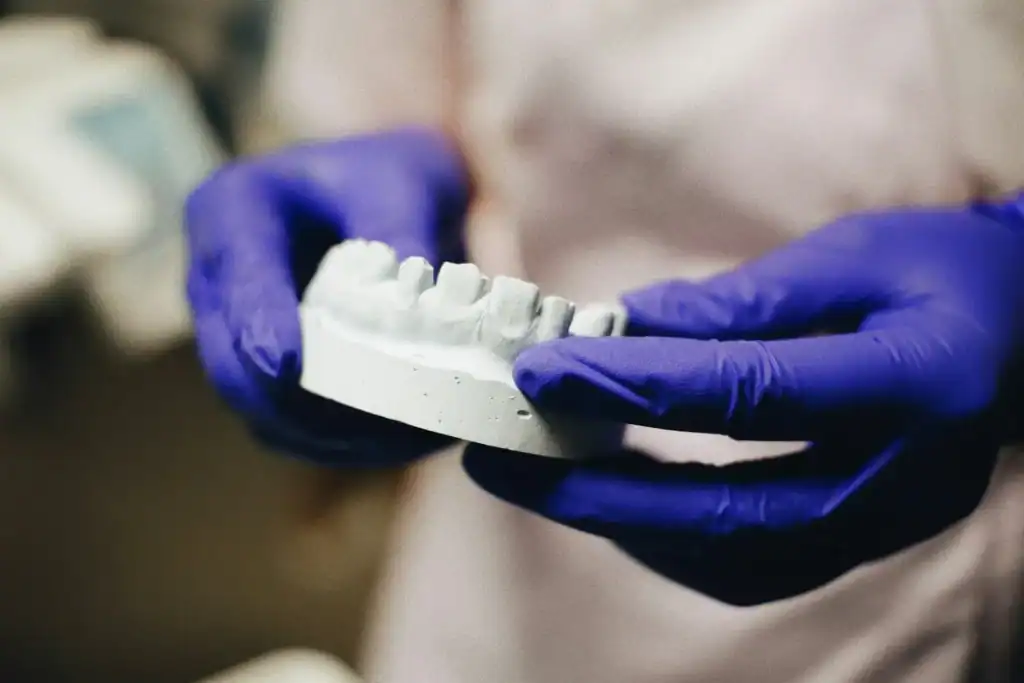
After a new filling, crown, onlay or bridge, your bite can feel “high” or uneven, especially once the numbness wears off and you chew normally. Contact us and describe what you feel. Your dentist checks where the teeth meet with thin marking paper and adjusts the new restoration so your teeth meet evenly again.
When several teeth meet unevenly, or before larger restorative work, your dentist may study models of your teeth mounted on an articulator — a device that copies how your jaws move — to plan the adjustments.
How we start: one examination

Your story
Your symptoms, how long you have had them, any grinding your partner hears, snoring, and recent dental work.
Examination of the chewing system
The jaw joints, the chewing muscles, how wide and smoothly you open, joint sounds, and how your teeth meet.
Tooth wear and restorations
Worn, chipped or cracked teeth and fillings or crowns that keep breaking.
Imaging when needed
A jaw-joint (TMJ) X-ray or other X-rays if your dentist needs a closer look.
Your plan
Your dentist explains what they found, which options may help, what you can do yourself, and the expected fees.
Several of these problems often appear together — for example grinding and jaw ache. One examination covers them all, so you can book a single assessment and your dentist plans the next steps with you.
Not sure which problem you have?
Book one bite and jaw assessment. Your dentist examines your teeth, jaw joints and muscles, then explains which care fits before any treatment starts.
What your dentist may make
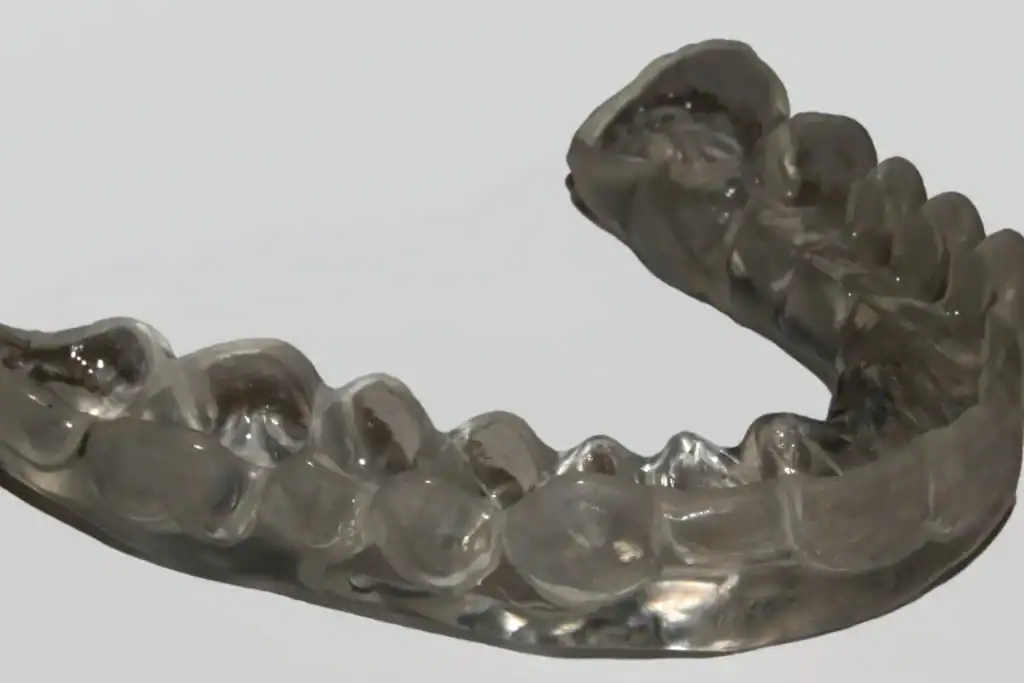
Occlusal splint or night guard
A custom appliance that protects the teeth and lets the jaw muscles rest. Splints come in several types and materials, and your dentist chooses the one that suits your case.
Mandibular advancement device (MAD)
An oral appliance for snoring and sleep apnea, made after a physician's assessment.
Sports mouthguard
A custom guard that protects the teeth during contact sports.
Appliance adjustments
A splint or night guard usually takes at least three visits: the examination and impression or scan, fitting about a week later, and a follow-up check. Every appliance is adjusted to your bite when you receive it and checked at follow-up visits.
Other care your dentist may suggest
Depending on what the examination shows, your dentist may also suggest gentle jaw mobilization, guidance on daytime clenching habits, or a review of medicines that may help with muscle pain. Your dentist explains why each one is suggested before you decide.
Cost of bite, jaw and sleep care
The jaw and bite examination, night guards and occlusal splints, bite adjustment, bite analysis, the sleep appliance and jaw-joint X-rays are listed on our prices page. Your dentist gives you a written estimate for your plan after the examination.
Prices on our prices page are shown as ranges. Your final fee depends on what the examination finds, and may include additional items — such as a rubber dam or special materials — when your treatment needs them. Your dentist explains these before treatment.
Who treats you
Bite, jaw and sleep-appliance care is provided by dentists in our multidisciplinary team, which also includes prosthodontists, orthodontists and oral and maxillofacial surgeons when your plan needs them.
Bite, jaw and sleep
 Dr. Worakanya BuranaphatthanaDDS (First Class Honors), Chiang Mai University; PhD, University of Washington, Seattle
Bite, jaw and sleep FAQs
What does “occlusion” mean in dentistry?
Occlusion means your bite — how your upper and lower teeth meet when you close and chew. It also involves the jaw joints and chewing muscles, because all three work together.
My new filling or crown feels high. What should I do?
Contact us and describe what you feel. Your dentist checks where your teeth meet and adjusts the filling or crown so your bite feels even again.
Can you check or adjust a filling, crown or appliance made at another clinic?
Yes. Your dentist can examine your bite and adjust fillings, crowns or appliances made elsewhere. The examination and any adjustment are charged at our usual fees, which your dentist explains before starting. Bring any records you have from the other clinic.
I have jaw pain and I grind my teeth. Which page is for me?
Both problems often appear together, and one examination covers them. Book a bite and jaw assessment, and your dentist explains which care fits — a splint, self-care, or both.
Is a night guard the same as a snoring appliance?
They are different appliances. A night guard or occlusal splint protects the teeth from grinding. A mandibular advancement device (MAD) holds the lower jaw slightly forward during sleep and is made after a physician has assessed your snoring or sleep apnea.
Do I need a sleep test before a snoring appliance?
Obstructive sleep apnea is diagnosed by a physician with a sleep test. Sleep tests and sleep medicine are provided by physicians we work with at Bangkok Hospital Chiang Mai. Your dentist can arrange the referral and then make the appliance if it is recommended.
What happens at the bite and jaw assessment?
Your dentist asks about your symptoms and recent dental work, examines the jaw joints, chewing muscles and how your teeth meet, checks for tooth wear, and takes X-rays if needed. Then your dentist explains what they found, your options and the expected fees.
Can orthodontic treatment change my bite?
Orthodontic treatment moves teeth into new positions, which changes how they meet. Whether it suits your bite is decided after an orthodontic examination, where an orthodontist explains the options.
Book a bite and jaw assessment
Tell us what you notice — jaw pain, grinding, snoring or a bite that feels wrong — and how long you have had it. A coordinator replies in English or Thai and books a time with a dentist. Open every day, 09:00–20:00 (Thailand time).
Or email us at [email protected]
Content reviewed by Dr. Pawak Tungthangthum — DDS, Chiang Mai University; Master's Degree in Esthetic Restorative and Implant Dentistry (International Program), Chulalongkorn University · Last reviewed