

Someone leans back a little while you are talking. A colleague offers you gum for the second time today. Or your partner finally says it out loud. Bad breath is one of the most awkward health worries, because you often cannot smell it yourself, and people rarely tell you.
Here is the reassuring part: most bad breath starts in the mouth itself, mainly from bacteria on the back of the tongue, between the teeth and around the gums. A review estimates that around 85 in 100 cases have a cause inside the mouth. That means most people can improve their breath a great deal with the right cleaning and, when needed, dental treatment. Mints and mouthwash only cover the smell for a short time.
This article helps you find your cause and fix it. You will find a quick self-check, the main causes in and outside the mouth and how to tell them apart, honest ways to test your own breath, a 2-week plan with tongue-cleaning technique, what the research says about mouthwash, common myths, the signs that point to a doctor rather than a dentist, and what a dental check for bad breath involves.
In short: clean your tongue once a day, brush twice a day and clean between your teeth daily, drink water and keep dentures or retainers clean. If your breath has not improved after about 2 to 3 weeks of good cleaning, see a dentist, because tartar, decay or gum disease may need treatment. If the mouth is healthy and the smell continues, see a doctor.
Where is my bad breath coming from? A quick self-check
Likely everyday causes: start with the home plan
- It is worst in the morning and better after breakfast and brushing.
- It follows garlic, onion, coffee, alcohol or a long gap without eating.
- Your tongue has a white or yellow coating at the back.
- You do not clean between your teeth or your tongue every day.
- Your mouth often feels dry, for example when you talk a lot or breathe through your mouth.
Book a dental check
- Your gums bleed when you brush, or look red or swollen.
- There is a constant bad taste, or food keeps getting stuck in one place.
- You have a hole in a tooth, a broken filling, or a crown or bridge that traps food.
- The gum around a back tooth or wisdom tooth is sore or swollen.
- The smell has stayed after 2 to 3 weeks of careful cleaning.
Also see a doctor
- A blocked nose, thick mucus down the throat, or facial pain with a cold that does not clear.
- Sour burping, heartburn or a sour taste rising into the mouth.
- A cough with smelly phlegm, or fever.
- Breath that smells fruity or sweet together with thirst, passing a lot of urine or feeling very unwell: see a doctor promptly.
- The dentist finds a healthy mouth, but the smell continues.
Why breath smells: what is actually happening
Most bad breath is made by bacteria. They feed on tiny bits of food, dead cells from the lining of the mouth and proteins in saliva. As they break these down, they release gases that contain sulfur, the same family of compounds that gives rotten eggs their smell. Reviews of the research describe these volatile sulfur compounds as the main source of mouth odor.
Where do these bacteria live? The biggest reservoir is the back of the tongue. Its surface is rough, with many small folds where bacteria and debris collect into a coating that brushing the teeth does not reach. A review lists tongue coating as the main oral cause, followed by gum disease, which is common: the CDC reports that about 4 in 10 US adults aged 30 and over have periodontitis. Other causes include deep decay, infections around a partly erupted wisdom tooth, food trapped in gaps, and poorly cleaned dentures.
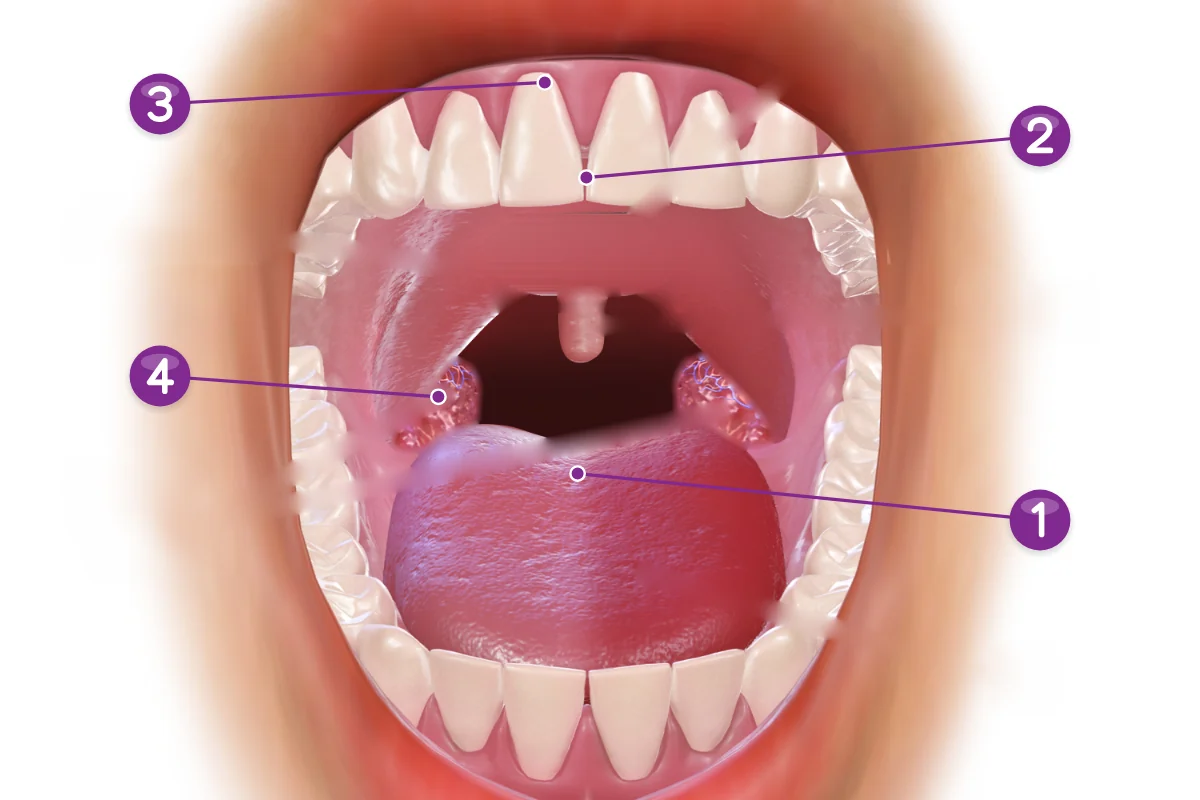
Saliva is your natural defense. It rinses away food and bacteria and carries oxygen that many odor-making bacteria dislike. Saliva flow drops a lot during sleep, which is why morning breath is so common, and why a dry mouth from medicines, talking for hours, mouth breathing or not drinking enough tends to smell more. A doctor at Siriraj Hospital explains morning breath the same way: less saliva at night lets bacteria and leftover food build up.
Bad breath is very common. A Cochrane review notes that around half or more of people experience it at some point. It is also common to worry about it when it is not there. A paper on breath research reports that almost one third of people who seek help for bad breath do not have a smell that others can detect. Both groups deserve a clear answer, which is why an honest test matters.
Causes of bad breath and how to tell them apart

Causes inside the mouth
| Cause | How to tell | What to do |
|---|---|---|
| Tongue coating | White or yellow film at the back of the tongue. Breath improves right after cleaning it. | Clean the tongue gently once a day. |
| Plaque and food between teeth | Floss or an interdental brush smells after use. | Clean between the teeth every day. |
| Tartar and gum disease | Bleeding or swollen gums, a constant bad taste, teeth that look longer or feel loose. | A cleaning, and gum treatment if pockets are deep. |
| Tooth decay or a broken filling | A hole or dark area where food packs and rots. | Filling or other repair of the tooth. |
| Wisdom tooth gum infection | Sore, swollen gum over a partly erupted back tooth, bad taste. | Dental check. Cleaning, and sometimes removal of the tooth. |
| Dentures, retainers, mouthguards | The appliance smells when taken out. Sore or red gums under a denture. | Clean daily, take dentures out at night, and have the fit checked. |
| Dry mouth | Sticky mouth, thirst, hard to swallow dry food, often from medicines. | Sip water, chew sugarless gum, ask your doctor about medicines. |
| Smoking | Smoke smell plus a drier mouth. Smokers may not notice their own breath. | Stopping smoking is the most effective step. |
Causes outside the mouth
When the mouth is clean and healthy and the smell continues, the cause may be elsewhere. Cleveland Clinic, MedlinePlus and Siriraj Hospital list the following. These are less common than mouth causes, so a dental check is still the usual first step.
| Cause | How to tell | Who to see |
|---|---|---|
| Nose, sinus and tonsils | Blocked nose, mucus down the throat, small white stones in the tonsils. | Doctor, or an ear, nose and throat specialist |
| Acid reflux | Sour burping, heartburn, sour taste, worse after meals or lying down. | Doctor |
| Lung and chest infection | Cough with smelly phlegm, fever. | Doctor |
| High blood sugar out of control | Fruity breath with thirst, frequent urination, tiredness. | Doctor promptly |
| Kidney or liver disease | Unusual breath smell with other signs of illness. | Doctor |
| Fasting or strict dieting | Breath changes during long gaps without food. | Eat regularly, drink water |
Read about gum disease treatment

How to check your own breath honestly
Breathing into your cupped hand and sniffing is not reliable. Cleveland Clinic points out that we get used to our own smell. These simple checks give a more honest picture.
- Ask someone you trust. Tell them you want an honest answer and check at different times of day.
- Floss test: run floss between your back teeth, wait a moment and smell it. A smell points to plaque between the teeth.
- Tongue test: gently wipe the back of your tongue with a clean spoon or gauze, let it dry for a few seconds and smell it. This is close to what others notice.
- Notice your taste. Cleveland Clinic notes that a constant bad taste in the mouth often means others can smell your breath.
- Repeat the checks after one week of the home plan. If they improve, you have found the main source.
If several honest checks say your breath is fine but you still feel sure it smells, that is worth telling your dentist too. Worry about breath can be very real and stressful even when others cannot detect anything, and a calm professional check can help.
A 2-week plan for fresher breath
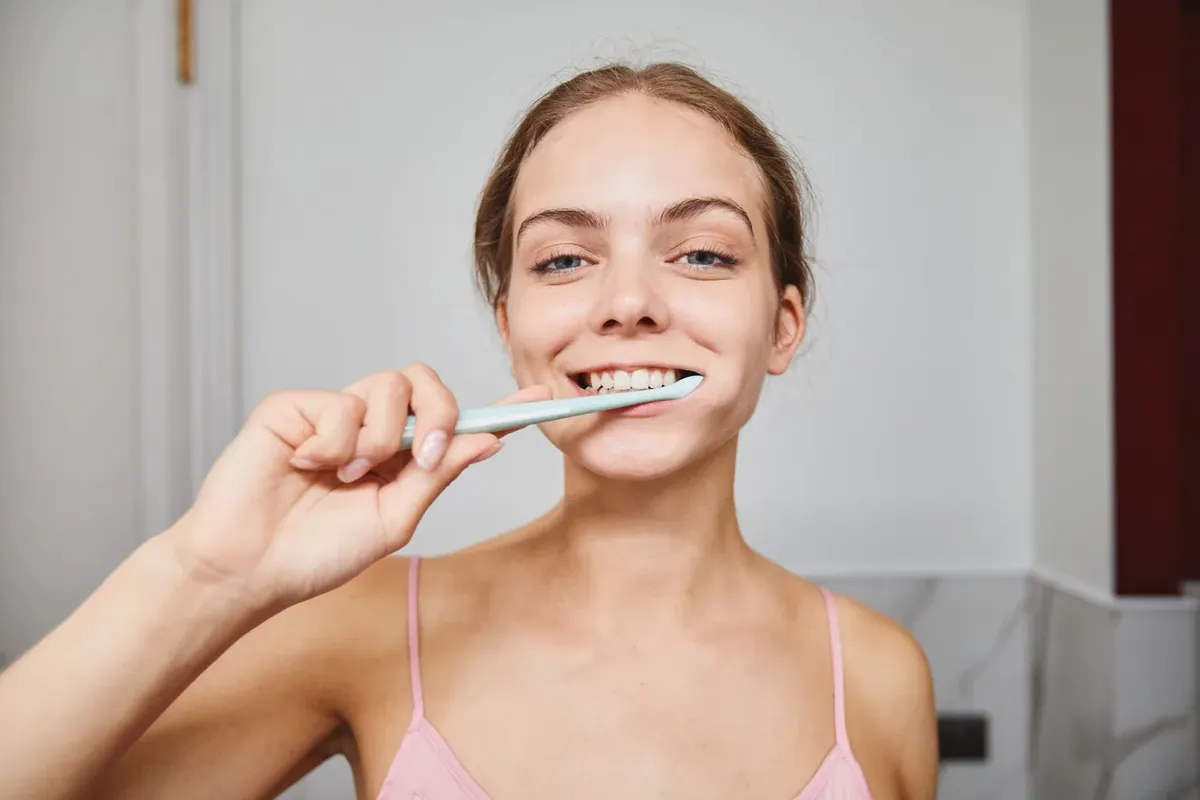
This plan targets the places where odor-making bacteria live. Follow it for 2 weeks and repeat the self-tests. NHS advice matches these steps: brush for 2 minutes twice a day with fluoride toothpaste, clean your tongue daily, clean between your teeth daily, keep dentures clean and have regular check-ups.
| Days | Tasks | What you should see |
|---|---|---|
| Days 1 to 3 | Start tongue cleaning each morning. Brush 2 minutes twice a day. Clean between all teeth each night. | Less coating on the tongue. Gums may bleed a little at first. |
| Days 4 to 7 | Add water through the day. Cut down sugary snacks and drinks. Clean dentures or retainers daily. | Morning breath milder. Floss smells less. |
| Days 8 to 14 | Keep the routine. Note any spot where food still traps or gums still bleed. | Clear improvement in the tongue and floss tests. |
| Day 14 | Repeat all self-tests and ask your trusted person again. | Still a smell, bleeding or a problem spot: book a dental check. |
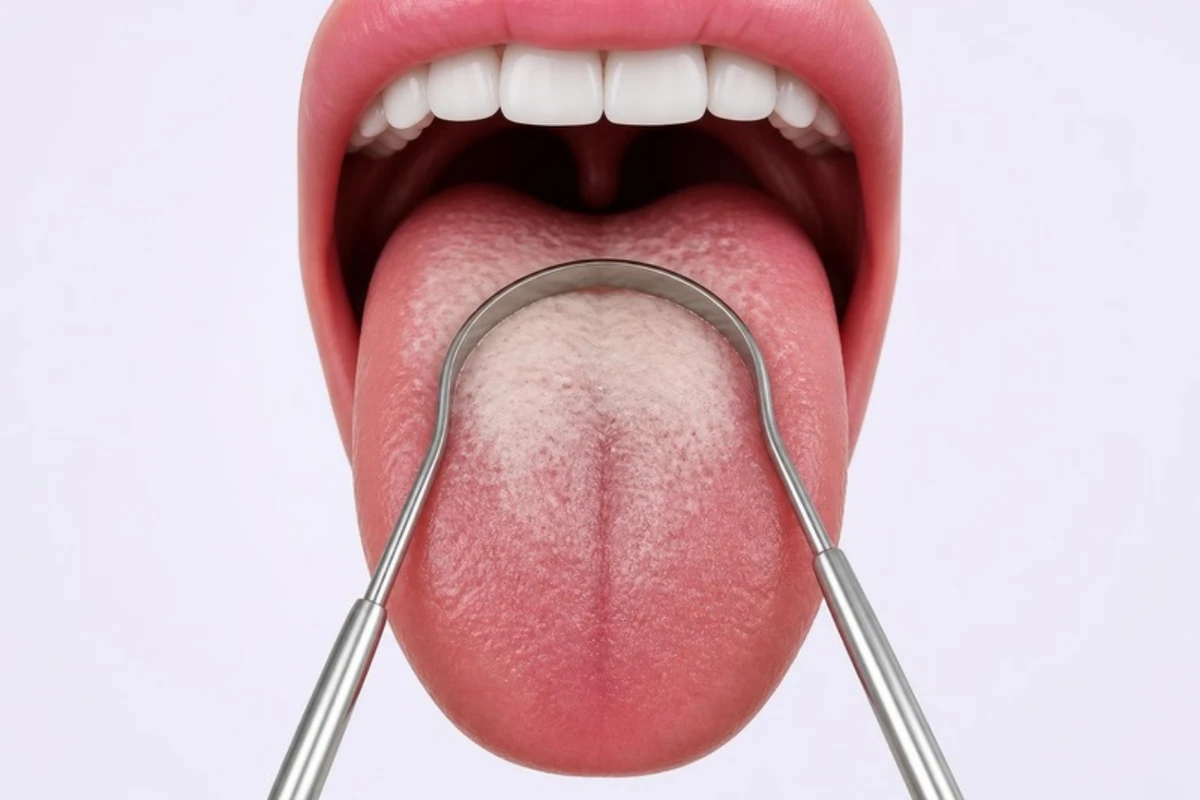
How to clean your tongue
- Use a tongue scraper or a soft toothbrush. A scraper often triggers less gagging.
- Stick your tongue out and breathe slowly through your nose.
- Place the scraper as far back as is comfortable and pull it gently forward. Do not press hard.
- Rinse the scraper and repeat 3 to 5 times, covering the left, middle and right.
- Once a day is enough, usually in the morning. Stop if it hurts or bleeds.
How much does tongue cleaning help? An older Cochrane review of two small trials found that scrapers or cleaners lowered odor gases somewhat more than a toothbrush, but the effect was short-lived and the evidence weak. In practice, tongue cleaning works because it removes the coating where bacteria live, and it works together with treating gums and teeth, not instead of it.
Mouthwash, gum and mints: what the research says
A 2019 Cochrane review looked at 44 trials of mouthwashes, toothpastes, chewing gums, tongue cleaning and other products for bad breath from mouth causes. Most trials were short, and the evidence for every product was low to very low certainty. The review could not say that any single product works better than the others.
- Mouthwash can freshen breath for a while. The ADA describes it as temporary relief that does not replace brushing and flossing, and MedlinePlus notes that it does not fix the underlying problem.
- Sugarless gum after meals helps saliva flow. The ADA and NHS both suggest it.
- Sugary mints can feed decay, which then causes new odor. A Siriraj Hospital article gives the same caution.
- If you choose a mouthwash, Cleveland Clinic suggests an alcohol-less antibacterial type, used in addition to cleaning.
- NHS advice is not to rinse with water straight after brushing, so fluoride stays on the teeth.
Food, drinks and dry mouth: small changes that help
Some smells come from what you eat and drink, not from bacteria in the mouth. Garlic and onion compounds are absorbed into the blood and breathed out through the lungs, so brushing cannot remove them, and the smell fades only as the body clears them. The ADA and Cleveland Clinic both list garlic, onion and coffee as common triggers. Other habits make the mouth drier, which lets odor-making bacteria grow.
| Habit | Why it matters | Easy swap |
|---|---|---|
| Garlic, onion, strong spices | Smell comes back out through the lungs for hours. | Plan around important meetings. Water and a meal with vegetables help. |
| Coffee through the day | Leaves a strong taste and can dry the mouth. | Follow each cup with a glass of water. |
| Alcohol | Dries the mouth, and NHS advice is not to drink too much. | Drink less, and alternate with water. |
| Sugary snacks and drinks | Feed bacteria and decay, which then smells. | Choose water, plain milk or fruit, and keep sweets to mealtimes. |
| Skipping meals or crash diets | Less chewing and saliva, and the NHS lists fasting as a cause. | Eat regular meals. Crunchy vegetables help saliva flow. |
| Mouth breathing or snoring | Dries the mouth, especially overnight. | Check for a blocked nose with a doctor. Keep water by the bed. |
If your mouth often feels dry
- Sip water through the day rather than drinking a lot at once.
- Chew sugarless gum or eat crunchy vegetables to help saliva flow, as the ADA suggests.
- Tell your doctor and dentist which medicines you take. Many common medicines reduce saliva. Do not stop any medicine yourself.
- Your dentist may suggest a saliva substitute if dryness continues.
- A dry mouth also raises the risk of decay, so fluoride toothpaste and regular checks matter more.
Common myths about bad breath
| Myth | Fact |
|---|---|
| Bad breath usually comes from the stomach. | Most cases start in the mouth. Reflux is one possible cause, but less common. |
| Strong mouthwash cures bad breath. | It covers the smell for a while. The cause, such as tongue coating or gum disease, stays. |
| Brushing the teeth harder fixes it. | Hard brushing hurts gums. The tongue and the spaces between teeth matter more. |
| If I cannot smell it, I do not have it. | People get used to their own smell. Use the floss or tongue test, or ask someone you trust. |
| Only people who do not brush have bad breath. | Many people who brush well still have tongue coating, tartar, dry mouth or gum pockets. |
| Chewing gum solves it. | Sugarless gum helps saliva for a short time. It does not remove plaque or tartar. |
| Bad breath means a serious disease. | Usually not. Most cases are from plaque and the tongue, and they improve with cleaning and dental care. |
When to see a dentist or doctor
The NHS advises seeing a dentist if bad breath does not go away after a few weeks of looking after your mouth yourself, or if your gums are painful, bleeding or swollen, you have toothache or loose adult teeth, or your dentures cause problems. Your dentist can refer you to a doctor if the mouth is healthy.
- See a dentist: bleeding or swollen gums, toothache, a loose tooth, a sore wisdom tooth area, or a problem with dentures.
- See a doctor: smell with fever, cough, facial pain or nasal discharge, or with heartburn and sour burping.
- See a doctor promptly: fruity breath with thirst, passing a lot of urine, vomiting or confusion.
- Have it checked: a mouth ulcer that has not healed after 3 weeks, or a lump in the mouth or neck.
What happens at a dental check for bad breath
- Talk it through. Your dentist asks when the smell is worst, what you have tried, your medicines, and any nose, throat or stomach symptoms.
- Check teeth, gums and tongue. Your dentist looks for decay, broken fillings, food traps, tongue coating and dry mouth, and checks the gums, measuring gum pockets when needed.
- X-rays when needed, to see decay between teeth or bone around the teeth.
- Clean. Tartar and stains are removed with ultrasonic and hand instruments, then the teeth are polished. Airflow or Guided Biofilm Therapy (GBT) may be used. With GBT, plaque is first stained with a disclosing gel so you can see the spots to brush better.
- Treat the cause. A cleaning helps when the smell comes from plaque, tartar or trapped food. Decay or gum disease needs its own treatment, which your dentist explains. Some causes are not in the mouth, and your dentist tells you when to see a doctor.
- Plan the next visit. Most people have a check-up and cleaning about every six months. With gum disease or quick tartar build-up, your dentist may suggest more often.
Before your appointment
- Avoid garlic, onion and strong spices the day before, so the smell from food does not hide the real cause.
- Skip mouthwash, mints and perfume on the day, so your dentist notices what others notice.
- Bring a list of your medicines and any notes from the 2-week plan, such as places where food traps or gums bleed.
- Bring dentures, retainers or night guards with you, so their fit and cleanliness can be checked too.
- Write down when the smell is worst and who noticed it. This helps your dentist decide whether the cause is more likely in the mouth or elsewhere.
If you use Thai Social Security for a cleaning, you pay at the clinic, the clinic gives you a medical certificate and a receipt, and you claim the amount yourself.
Read about teeth cleaning at the clinic
If this sounds like you: what to do
These are example situations, not patient stories, to help you find the next step that fits.
- Your breath is only bad in the morning: this is common because saliva drops during sleep. Clean your tongue on waking, drink water and eat breakfast.
- Your tongue is white at the back and the tongue test smells: start daily tongue cleaning and repeat the test after a week.
- Your gums bleed and the floss smells: plaque and tartar are likely. Clean between your teeth daily and book a cleaning and gum check.
- You wear a partial denture or retainer: clean it every day, take dentures out at night, and ask your dentist to check the fit if food collects under it.
- You take medicines that dry your mouth: sip water often, chew sugarless gum, and ask your doctor whether there is an option that dries the mouth less. Do not stop medicines yourself.
- Your teeth and gums were checked and are healthy, but you have a sour taste and heartburn: see a doctor about reflux.
- Everyone says your breath is fine, but you still worry every day: tell your dentist. A calm check and honest tests can bring peace of mind.
Frequently asked questions about bad breath
Why do I have bad breath even though I brush every day?
Brushing cleans the tooth surfaces, but much of the odor comes from the back of the tongue and between the teeth. Tartar, gum pockets, decay and dry mouth also play a part. Add tongue cleaning and cleaning between the teeth, and have a dental check if it continues.
Does a scale and clean get rid of bad breath?
It helps when the smell comes from plaque, tartar or trapped food. If it comes from decay or gum disease, those need treatment too, and some causes are not in the mouth. Daily cleaning at home keeps the result.
Can bad breath come from the stomach?
Sometimes. Acid reflux can cause a sour smell and taste, often with heartburn or sour burping. It is less common than mouth causes, so most people should start with the tongue, teeth and gums, then see a doctor if those are healthy.
What are the white lumps that smell when I cough?
These are often tonsil stones, small deposits that form in the folds of the tonsils. Cleveland Clinic lists them as a cause of bad breath. They are usually harmless. If they keep coming back or your throat is sore, see a doctor or an ear, nose and throat specialist.
Which mouthwash is good for bad breath?
No single product has strong evidence over the others. An alcohol-less antibacterial mouthwash can help as an extra, but it only lasts a while. Cleaning the tongue and between the teeth, and treating tartar or gum disease, does the main work.
Can wisdom teeth cause bad breath?
Yes. Food and bacteria can collect under the gum over a partly erupted wisdom tooth, and the gum can become infected. A dental check shows whether cleaning is enough or the tooth should come out.
Why does my child have bad breath?
Common reasons in children are plaque, decay, a coated tongue, mouth breathing with a blocked nose, and enlarged tonsils. MedlinePlus also mentions an object stuck in a nose as a cause in children. Brush for your child, check the tongue, and book a dental check.
Is bad breath a sign of a serious illness?
Usually not. Most bad breath comes from the mouth and improves with cleaning and dental care. A fruity smell with thirst and feeling unwell, or a smell with fever and cough, needs a doctor promptly.
Summary
Most bad breath starts in the mouth, mainly on the back of the tongue, between the teeth and around the gums, and it improves when you clean those places and treat what needs treating.
- Clean your tongue daily, brush 2 minutes twice a day and clean between your teeth every day.
- Test your breath honestly with floss, the tongue test or a trusted person, not your hand.
- Mouthwash and mints only mask the smell for a short time.
- If it continues after 2 to 3 weeks, see a dentist for tartar, decay or gum disease.
- If the mouth is healthy and the smell stays, see a doctor about the nose, throat, stomach or blood sugar.
References
American Dental Association (MouthHealthy): Bad Breath
Cleveland Clinic: Bad Breath (Halitosis)
MedlinePlus (US National Library of Medicine): Breath odor
CDC (US): About Periodontal (Gum) Disease
Kumbargere Nagraj S et al. Interventions for managing halitosis. Cochrane Review, 2019
Outhouse TL et al. Tongue scraping for treating halitosis. Cochrane Review, 2006