Kitcha Dental Clinic Chiang Mai

kitcha dental clinic logo
Local Anesthesia Injection

Post-Operative Care Instructions After Local Anesthesia Injection 1. What to Expect After Treatment The injection site (lip, cheek, tongue, or gum) will feel numb for 2–4 hours, gradually returning to normal sensation. Mild side effects, such as headache, nausea, or fatigue, may occur once the anesthesia wears off. You may experience minor swelling, bruising, or aching gum around the injection site, typically resolving within a few days. 2. How to Take Care of Yourself After Treatment Wait until numbness fades (usually 2–4 hrs) before eating; start with soft, room-temperature foods. If you’re experiencing gum soreness or tenderness where you were injected: Apply a cold compress to the cheek for 10–15 minutes to reduce swelling. Use over-the-counter pain relief (e.g., ibuprofen, acetaminophen) as needed. Keep the area clean with gentle salt-water rinses (½ tsp salt in 240 mL warm water), 3–4 times a day. For those prone to cheek or lip biting during numbness: Gently massage the area with petroleum jelly or petroleum-based ointment to protect and soothe the tissues. Apply a cold compress to reduce swelling. If a bite leads to a raw area or ulcer, rinse with salt water after eating and apply topical oral gel or barrier ointment to aid healing. Stay hydrated—drink plenty of water to help flush out anesthesia and ease nausea. Sleep with your head slightly elevated to help minimize facial swelling. 3. What to Avoid After Treatment Do not bite, chew, scratch, or pick at any numb area until sensation returns. Avoid using straws, smoking, or consuming spicy/hot/hard foods while numb. Refrain from vigorous activities or anything that may injure the numbed tissues. If you’ve experienced cheek or lip injuries before, be extra cautious to prevent re-injury, and use lubricant or gel as directed.   4. When to Contact the Clinic Numbness lasting more than 6 hours after the injection. Severe gum pain, swelling, or bruising that worsens after 2–3 days. Persistent oral burning or pins-and-needles sensation. Signs of allergic reaction: hives, facial swelling, difficulty breathing. Bleeding or clotting issues around injection sites—especially if bleeding lasts beyond 24 hours or is hard to control.   5. How to Reach Us If you have any concerns, questions, or complications following your treatment, please contact Kitcha Dental Clinic. Our staff will assess the urgency of your situation and prioritize appointments accordingly to ensure you receive timely care. Contact Kitcha Dental Clinic: Phone (Thailand): 053-200201 or 091-797-7888 Website: https://www.kitchadentalclinic.com/contact-us/ LINE: nav.cx/5PmNyFR WhatsApp: https://wa.me/66917977888 Facebook Messenger: https://m.me/kitchaclinic  
Teeth Whitening

Post-Operative Care Instructions After Teeth Whitening 1. What to Expect After Treatment Mild to moderate tooth sensitivity is common, especially to hot, cold, or acidic foods. This usually resolves within 1–3 days. Minor irritation of gums, lips, or cheeks may occur if the whitening gel came into contact with soft tissues. This typically heals within 1–2 days. Whitening results may appear uneven or blotchy at first. Final color usually stabilizes after a few days. Dental restorations such as fillings, veneers, crowns, and composite materials will not whiten, and may appear mismatched after treatment. 2. How to Take Care of Yourself After Treatment Avoid staining foods and beverages for at least 7 days. This includes coffee, tea, red wine, curry, dark sauces, and brightly colored juices. Do not smoke or use tobacco products, as they can stain teeth and reverse results quickly. Avoid hot, cold, or acidic foods during the first 1–3 days, especially if sensitivity is present. Use a desensitizing toothpaste regularly if you experience sensitivity. If advised, you may be prescribed or recommended additional at-home whitening kits to enhance or maintain your results (extra charges may apply). Whitening results are not permanent. Over time, teeth may gradually darken again depending on diet, smoking habits, and oral hygiene. 3. What to Avoid After Treatment Avoid coffee, tea, cola, red wine, dark juices, soy sauce, and other staining foods Refrain from smoking or vaping Avoid citrus drinks or highly acidic foods (e.g., lemon juice, orange juice) Do not use abrasive whitening toothpastes during the first few days, as they may increase sensitivity 4. When to Contact the Clinic Intense or prolonged sensitivity that interferes with eating or sleeping Gum ulcers, blisters, or soft tissue burns lasting more than 2 days Sharp tooth pain, loose teeth, or discomfort not typical for whitening Signs of an allergic reaction such as lip swelling, itching, or burning sensation 5. How to Reach Us If you have any concerns, questions, or complications following your treatment, please contact Kitcha Dental Clinic. Our staff will assess the urgency of your situation and prioritize appointments accordingly to ensure you receive timely care. Contact Kitcha Dental Clinic: Phone (Thailand): 053-200201 or 091-797-7888 Website: https://www.kitchadentalclinic.com/contact-us/ LINE: nav.cx/5PmNyFR WhatsApp: https://wa.me/66917977888 Facebook Messenger: https://m.me/kitchaclinic  

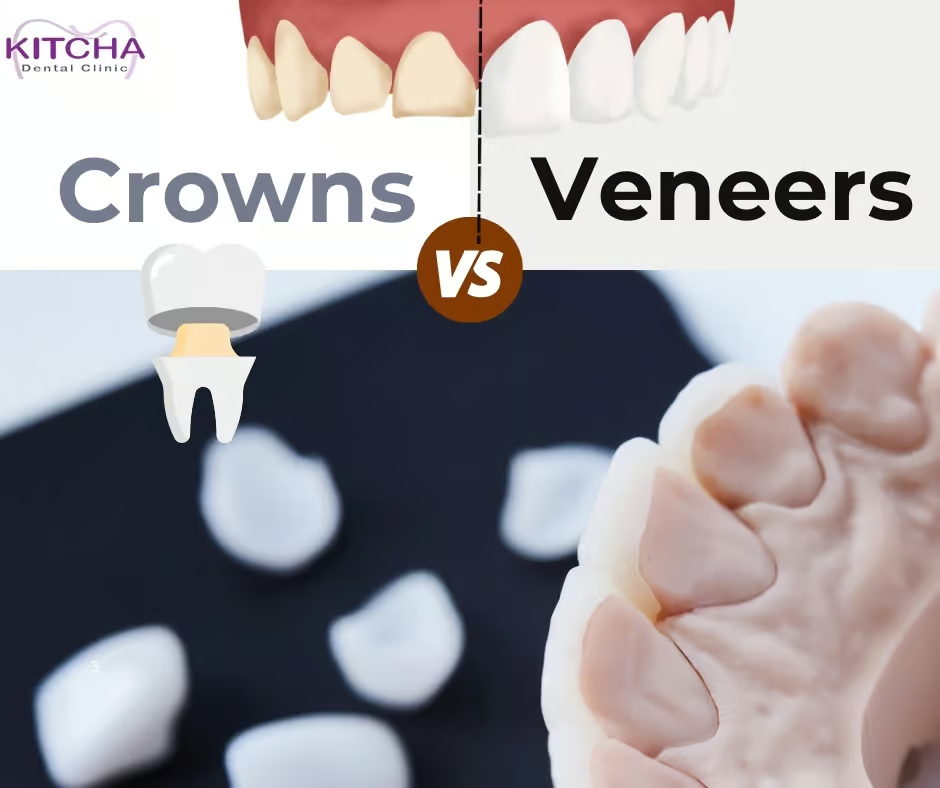
Crowns vs Veneers for dental restoration at Kitcha Dental Clinic Chiang Mai, professional options for improving your smile.
Veneer or Crown: Which Is Better or More Suitable for You?

Veneer or Crown: Which Is Better or More Suitable for You? When it comes to improving the appearance and function of your teeth, two common dental options come to mind: veneers and crowns. Both can address various dental issues, from aesthetic imperfections to structural damage. Choosing between veneers and crowns depends on your dental goals, oral health status, and budget. This article delves into the differences, advantages, and situations where each option may be more suitable. Ideal Candidates for Veneers: Veneers work well for people who want to enhance the appearance of their teeth without undergoing extensive dental work. They’re suitable for minor cosmetic corrections and ideal for patients with healthy teeth who don’t need major structural repairs. Ideal Candidates for Crowns: Crowns are typically recommended for patients with teeth that have sustained significant structural damage due to decay, fractures, or root canal treatments. They’re also ideal for patients with substantial enamel erosion or extensive filling needs. Crowns are suitable for those who need both functional restoration and cosmetic improvement. Veneers vs. Crowns: Key Differences Choosing Between Veneers and Crowns Veneers May Be Better For You If: Crowns May Be Better For You If: Both veneers and crowns can significantly enhance your smile and improve dental functionality, but the choice depends on your specific dental needs and lifestyle. Veneers are ideal for minor cosmetic improvements, while crowns are better for teeth that need added protection and support. Consulting with a qualified dentist is the best way to determine which option suits you, taking into account factors like tooth condition, function, and desired aesthetics. By making an informed choice, you can enjoy a beautiful, healthy smile for years to come.

Relaxed woman sleeping peacefully on a pillow at Kitcha Dental Clinic Chiang Mai, showcasing comfortable dental care environment and stress-free experience.
Understanding Mandibular Advancement Devices for Bruxism and Sleep Apnea Treatment

When it comes to treating conditions like bruxism (teeth grinding) and sleep apnea, a Mandibular Advancement Device (MAD) has emerged as a highly effective solution. This custom-made dental appliance, designed to shift the lower jaw slightly forward, helps open the airway and reduce airway obstruction during sleep. Let’s dive into the benefits and relevance of this device in managing sleep disorders. What is a Mandibular Advancement Device (MAD)? A Mandibular Advancement Device is primarily used to manage Obstructive Sleep Apnea (OSA), a condition where the airway collapses or becomes blocked during sleep, leading to disrupted breathing. The MAD works by repositioning the lower jaw and tongue forward, preventing the collapse of the airway. How Does MAD Help with Sleep Apnea? For patients suffering from sleep apnea, the device ensures that air passes freely, reducing the occurrence of pauses in breathing. This not only improves the quality of sleep but also minimizes the health risks associated with untreated sleep apnea, such as high blood pressure, heart disease, and daytime fatigue. Mandibular Advancement Device and Bruxism Aside from sleep apnea, MADs are also useful in addressing bruxism or teeth grinding. Many people suffer from this condition unknowingly, especially at night, which can cause tooth damage, jaw pain, and headaches. A well-fitted MAD helps protect the teeth by reducing the pressure from grinding while promoting better jaw alignment. Dr. Worakanya Buranaphatthana: Specialist in Dental Sleep Medicine Dr. Worakanya Buranaphatthana, an experienced and highly respected dentist at Kitcha Dental Clinic, specializes in treating sleep-related dental issues like sleep apnea and bruxism. Her expertise in dental sleep medicine, coupled with her gentle approach to patient care, makes her a top choice for patients seeking long-term solutions for these conditions. At Kitcha Dental Clinic in Chiang Mai, Thailand, patients can expect personalized treatment plans tailored to their needs. Whether you’re a local patient or visiting internationally, Dr. Worakanya ensures a thorough evaluation to determine the most effective treatment plan, often incorporating the use of Mandibular Advancement Devices. Why Choose Kitcha Dental Clinic? At Kitcha Dental Clinic, we pride ourselves on providing the latest in dental technology combined with the warm, personalized care of our expert team. Our Mandibular Advancement Devices are custom-fitted to ensure maximum comfort and effectiveness, giving you relief from both bruxism and sleep apnea.For more information or to book a consultation with Dr. Worakanya Buranaphatthana, feel free to contact us at: Tel (Thailand): 053-200201 | 091-797-7888International: +66-2-107-5595Website: www.kitchadentalclinic.comEmail: ap*********@**********ic.comTake control of your sleep and dental health today!

All-on-4 and All-on-6 Dental Implants

All-on-4 and All-on-6 Dental Implants: Who Needs Them?  Are They Worth It? Dental implants have revolutionized the way we restore teeth, offering permanent solutions for those with missing teeth. Two popular treatments, All-on-4 and All-on-6 implants, are gaining traction, but who exactly needs these procedures, and are they worth it? Let’s dive into the specifics, exploring what makes them different, who benefits from them, and their overall value. What Are All-on-4 and All-on-6 Implants? Both All-on-4 and All-on-6 are techniques for full-arch teeth replacement. Instead of individual implants for every missing tooth, these methods anchor a complete set of prosthetic teeth on either four or six implants, depending on the case. All-on-4: Four implants are strategically placed in the jaw, providing full support for a complete dental arch.All-on-6: Similar to All-on-4, but with six implants, offering potentially more stability for the prosthesis. Who Are These Procedures For? These procedures are designed for individuals who: Who Needs All-on-4 or All-on-6?Patients with significant tooth loss who do not want removable dentures are ideal candidates for both procedures. Typically, individuals who: All-on-4 is often a go-to for those with moderate to severe tooth loss, whereas All-on-6 might be more suitable for patients who need additional support due to their jawbone structure or higher bite force. Is It Worth It? The answer is YES. The benefits of All-on-4 and All-on-6 over traditional dentures are numerous:Natural Look and Feel: Unlike dentures, implants look and function like natural teeth, allowing for easier chewing and a confident smile. What Does the Research Say? Numerous studies back the effectiveness of these treatments: Conclusion For patients seeking a long-term solution to tooth loss, All-on-4 and All-on-6 are excellent options. The choice between the two often comes down to personal anatomy and bite force requirements, but both offer a significant improvement in quality of life over traditional dentures. If you’re unsure which option is best for you, our skilled dental team at Kitcha Dental Clinic, Chiang Mai can help you decide. For those located outside Thailand, we offer consultations via email to discuss your needs. Contact Us Today. Thailand: 053-200201 | 091-797-7888www.kitchadentalclinic.com Email: ap*********@**********ic.com        

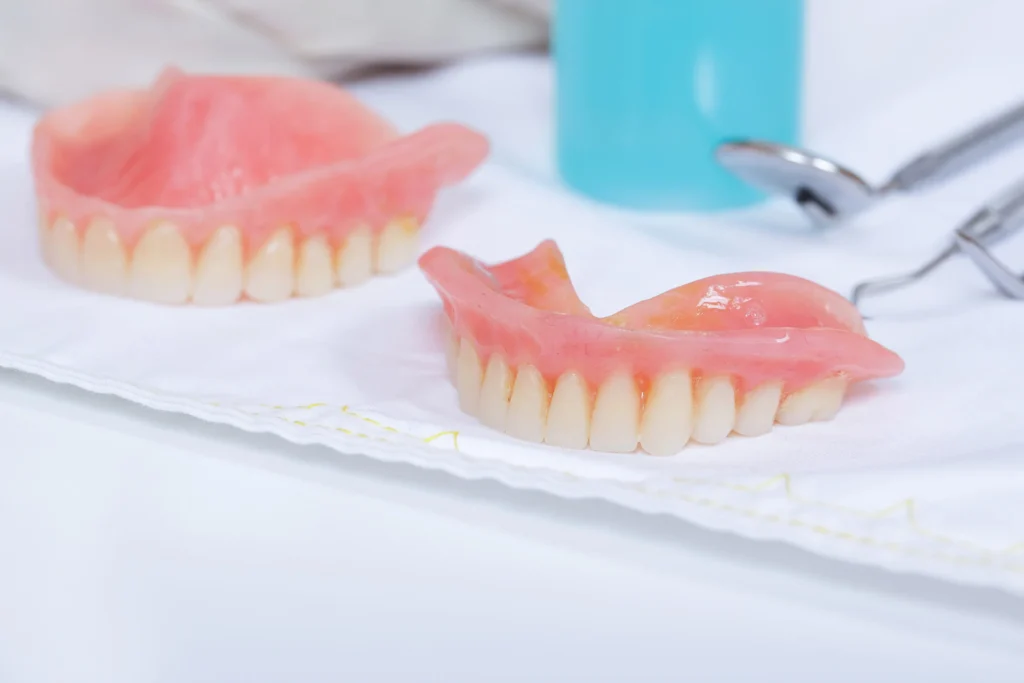
Removable dentures on a white cloth at Kitcha Dental Clinic Chiang Mai, showcasing expert dental prosthetic services.
Removable Denture

Removable Denture Removable Denture are designed for individuals with a few remaining natural teeth or for those who have lost all their teeth. These dentures can be easily removed for cleaning. Made from plastic or composite materials that closely match the color of natural teeth, they feature a base made of either plastic or metal that rests on the gums or the roof of the mouth. Evaluate the Pros and Cons of Removable Dentures Removable dentures offer several advantages, including replacing lost natural teeth, improving the quality of life for those who have lost teeth, and restoring effective chewing function. However, additional adjustments or replacements may be necessary if teeth are extracted or if the gums change over time. Consider the following benefits and drawbacks of removable dentures Advantages : Disadvantages : Preparing for Removable Denture Process for Getting Removable Denture The process of fitting removable dentures involves several steps and typically requires 5-6 visits to the dentist. The steps are as follows Possible Complications with Removable Denture Caring for Removable Denture

Bright young woman at dental clinic receiving a dental check-up, showcasing professional dental care services at Kitcha Dental Clinic Chiang Mai.
Social Security for Dental Prosthetics

Social Security for Dental ProstheticsIn addition to coverage for dental cleanings, fillings, extractions, and wisdom tooth removal, social insurance also provides benefits for dental prosthetics. You can claim reimbursement for dental prosthetics within 5 years from the date they are fitted. The details for dental prosthetics are categorized as follows Partial Removable Dentures Complete Removable Dentures

Fixed Dental Prosthesis (Crown and Bridge)

Dental Crowns and Bridges Care Instructions​ 1. What to Expect After Dental Treatment You may experience mild tooth sensitivity to hot, cold, or pressure for the first 2–3 days The crowned or bridged tooth may feel slightly “high” or different when biting; this usually improves as your bite adjusts Temporary gum irritation around the crown margins is normal If a temporary crown or bridge was placed, be cautious while eating or flossing, as these may become dislodged Important: Crowns do not make your teeth immune to decay. Tooth decay can still occur along the margins between the crown and the natural tooth, especially if oral hygiene is neglected. In some cases, root canal treatment may become necessary after crown placement, particularly if symptoms develop or the pulp becomes inflamed. Treatment may involve drilling through the crown or removing it entirely to access the underlying tooth.   2. How to Take Care of Yourself After Treatment Avoid hard, sticky, or extremely hot foods during the first 48–72 hours Brush twice daily with a soft-bristled toothbrush and use floss or interdental brushes regularly Pay special attention to cleaning around the crown margins and under bridge pontics, where plaque commonly accumulates Attend regular dental check-ups every 3–6 months to detect early signs of decay or damage beneath the crown or bridge If you grind your teeth at night, ask your dentist about a nightguard to protect your restorations Follow all oral hygiene instructions as provided by your dentist Even after crown placement, proper oral hygiene is crucial. Without it, decay may occur under the crown and lead to root infection, which can require re-treatment or crown replacement 3. What to Avoid After Treatment Do not chew on hard items like ice, hard candy, or nutshells with crowned teeth Avoid chewing sticky foods such as caramel or chewing gum, especially on temporary crowns Refrain from using your teeth to open packaging or bite hard objects Avoid highly acidic foods or beverages that can wear down restoration materials Do not neglect daily cleaning, especially around the crown edges and under bridges 4. When to Contact the Clinic The crown or bridge feels loose, cracked, too high, or has fallen out You experience sharp localized sensitivity, especially to sweets or cold You develop deep, lingering toothache or discomfort—this may indicate underlying pulp inflammation There is noticeable bad breath or an odd taste from a specific area You see redness, swelling, or bleeding in the gums around the crowned teeth These symptoms may signal decay beneath the crown, bite misalignment, or the need for root canal treatment through the crown. 5. How To Reach Us If you have any concerns, questions, or complications following your treatment, please contact Kitcha Dental Clinic. Our staff will assess the urgency of your situation and prioritize appointments accordingly to ensure you receive timely care. Contact Kitcha Dental Clinic: Phone (Thailand): 053-200201 or 091-797-7888 Website: https://www.kitchadentalclinic.com/contact-us/ LINE: nav.cx/5PmNyFR WhatsApp: https://wa.me/66917977888 Facebook Messenger: https://m.me/kitchaclinic We are here to support your recovery and ensure your well-being throughout the healing process.

Invisalign Clear Aligner

Patient Instruction Invisalign 1. General Information Invisalign is a clear aligner system that uses 3D computer technology to create personalized orthodontic devices. The process begins with the dentist taking an impression of the patient’s mouth. This impression is then scanned into a digital model of the teeth. A computer program determines the step-by-step movement of the teeth according to the treatment plan outlined by the dentist. Each stage of tooth movement is used as a template to manufacture the individual Invisalign aligners. 2. Alternatives treatment 3.  Risk and side effect of treatment 4. Pre / Post Care Wearing Invisalign   Removing Invisalign   Daily Care and Cleaning for Invisalign Proper Oral Hygiene for Invisalign Wearers Storage of Invisalign  Precautions Prohibitions    

Tooth Extraction

Post-Tooth Extraction Care Instructions​ 1. What to Expect After Dental Treatment Following a tooth extraction, it is normal to experience mild to moderate discomfort, swelling around the site, and minor bleeding. These symptoms typically subside within a few days. Slight jaw stiffness, difficulty opening the mouth fully, or a temporary change in bite sensation may also occur. Bruising may appear on the cheek or jawline, especially after surgical extractions. These are natural healing responses and generally resolve on their own. It is also common to have some blood oozing from the extraction site for up to 24–48 hours. During this time, if bleeding occurs, place clean gauze over the area and bite down firmly to apply pressure to the wound edge and help control the bleeding. This simple technique helps ensure that the healing process continues properly and minimizes the risk of dry socket. 2. How to Take Care of Yourself After Treatment Bite down gently but firmly on the gauze pad placed by your dentist for 1 to 2 hours to control bleeding. Apply a cold compress on the outside of the cheek for 15–20 minutes at a time, during the first 24 hours. Take all medications as prescribed, including pain relievers and antibiotics. Rest and avoid strenuous activity for the first 48–72 hours. Sleep with your head elevated for the first night. Maintain oral hygiene by brushing and rinsing carefully, avoiding the extraction site for the first day. After 24 hours, rinse your mouth gently with warm salt water several times a day to promote healing. Eat soft, cool or lukewarm foods such as soup, mashed potatoes, or yogurt. Drink plenty of water and stay hydrated. Following these post-operative care tips can significantly reduce discomfort and help ensure a smooth recovery. Patients visiting dental clinics in Chiang Mai—such as Kitcha Dental Clinic—can expect professional guidance and attentive aftercare instructions tailored to their needs. 3. What to Avoid After Treatment Do not rinse your mouth forcefully or spit during the first 24 hours. Avoid using straws or engaging in any sucking action that may dislodge the blood clot. Refrain from smoking or consuming alcohol for at least 72 hours, as these can delay healing. Avoid hot, spicy, or hard foods that may irritate the site. Do not touch the extraction area with your fingers or tongue. Avoid blowing your nose forcefully or sneezing with your mouth closed, especially if the extracted tooth was near the sinus area. These precautions are essential to prevent complications. If you’re undergoing tooth removal at a dental clinic in Chiang Mai, always follow your dentist’s instructions to avoid post-treatment issues. 4. When to Contact the Clinic Please contact the clinic promptly if you experience: Continuous bleeding for more than two hours that does not stop with pressure Severe pain that intensifies after 2–3 days (a potential sign of dry socket) Signs of infection such as fever, chills, swelling that worsens, or foul odor or taste Pus discharge from the site Difficulty breathing or swallowing Timely communication with your dental provider is key to a safe recovery. At reputable dental clinics in Chiang Mai like Kitcha Dental Clinic, patients are encouraged to report unusual symptoms for timely support. 5. How To Reach Us For any concerns after your surgery, please contact Kitcha Dental Clinic. Our staff will assess the urgency and assist with scheduling a follow-up. Contact Kitcha Dental Clinic: Phone (Thailand): 053-200201 or 091-797-7888 Website: https://www.kitchadentalclinic.com/contact-us/ LINE: nav.cx/5PmNyFR WhatsApp: https://wa.me/66917977888 Facebook Messenger: https://m.me/kitchaclinic Our team is committed to ensuring your comfort and success from surgery through recovery.
 
Privacy Overview

This website uses cookies so that we can provide you with the best user experience possible. Cookie information is stored in your browser and performs functions such as recognising you when you return to our website and helping our team to understand which sections of the website you find most interesting and useful.

 
Privacy Overview

This website uses cookies so that we can provide you with the best user experience possible. Cookie information is stored in your browser and performs functions such as recognising you when you return to our website and helping our team to understand which sections of the website you find most interesting and useful.