

You have decided you want a brighter, more even smile, and maybe you have already looked at flights. Then the practical questions start. How many days do veneers really take? Can it fit into a holiday? What if something needs adjusting after you fly home? Clinic websites often say only that it depends, which is true but does not help you book a ticket.
Here is the clearer answer. Composite veneers, which are built directly on the teeth, are often done in a single visit. Porcelain veneers are made in a dental laboratory, so they need more than one visit with a gap in between. At Kitcha Dental Clinic, the recommendation for porcelain veneers is one trip with a stay of 10 to 14 days. A shorter stay can be possible, depending on your case and how complex it is.
This article explains where those days go. You will find a quick self-check, a comparison of veneer types and visits, each step and why it takes the time it does, a sample trip plan, what to send before you travel, how whitening fits in, common myths, signs to watch for after veneers, and the questions people ask most.
In short: composite veneers are often finished in one visit. Porcelain veneers need a consultation and smile design, tooth preparation with temporaries, laboratory time, then a try-in and bonding visit. For porcelain veneers, the clinic recommends one trip of 10 to 14 days in Chiang Mai, and a shorter stay may be possible depending on your case. Send photos and your travel dates before you book flights.
Which timeline fits you? A quick self-check
Veneer timing depends less on the number of teeth and more on what needs to happen before and around them. Check which group sounds most like you.
Likely a simpler timeline
- Your teeth and gums are healthy, with no decay or gum problems to treat first.
- You want to change the color or shape of a few front teeth that are mostly intact.
- Your bite is comfortable and you do not grind your teeth heavily.
- You are open to composite veneers, which are often done in one visit.
Plan the full stay for porcelain veneers
- You want porcelain veneers, made in a dental laboratory.
- You plan to whiten your other teeth first, so the veneer shade can match.
- Several front teeth are involved and you want to see the design before any tooth is changed.
- You have old veneers or crowns that need to be removed first.
Allow more time, or plan in stages
- There is decay, a large old filling or gum inflammation that needs treatment first.
- Gum shaping is planned so the teeth look balanced.
- Teeth are crooked or crowded enough that orthodontic treatment may suit better.
- You grind or clench heavily, so a night guard and bite check are part of the plan.
Veneer types, visits and time at a glance
| Type | Number of visits | Time to plan |
|---|---|---|
| Direct composite veneers | Often a single visit after the consultation | A short stay is usually enough. Your dentist confirms after the examination. |
| Porcelain veneers | More than one visit: consultation, preparation, try-in and bonding | One trip of 10 to 14 days is recommended. Shorter may be possible depending on the case. |
| Porcelain veneers plus whitening | Whitening is usually done before the veneer shade is chosen | Plan toward the longer end of the stay, and ask your dentist about timing. |
| Cases with other treatment first | Depends on the treatment needed, such as fillings, gum care or orthodontics | Your dentist gives you a visit plan after the examination. |
A note on numbers you may see elsewhere: many general sources describe porcelain veneers as two or three appointments spread over a few weeks, because laboratories in many countries work on longer schedules and patients live nearby. When you travel for treatment, the visits are planned close together within your stay instead.
Why porcelain veneers take more than one visit
A porcelain veneer is a thin, custom shell. It has to fit the prepared tooth closely at the edges, match the color of the teeth next to it, and work with your bite. That precision is the reason for the steps. The American Dental Association describes the porcelain process as removing a small amount of enamel, taking an impression or 3D scan, having the laboratory make the veneer while you may wear a temporary, and then checking the fit before bonding.
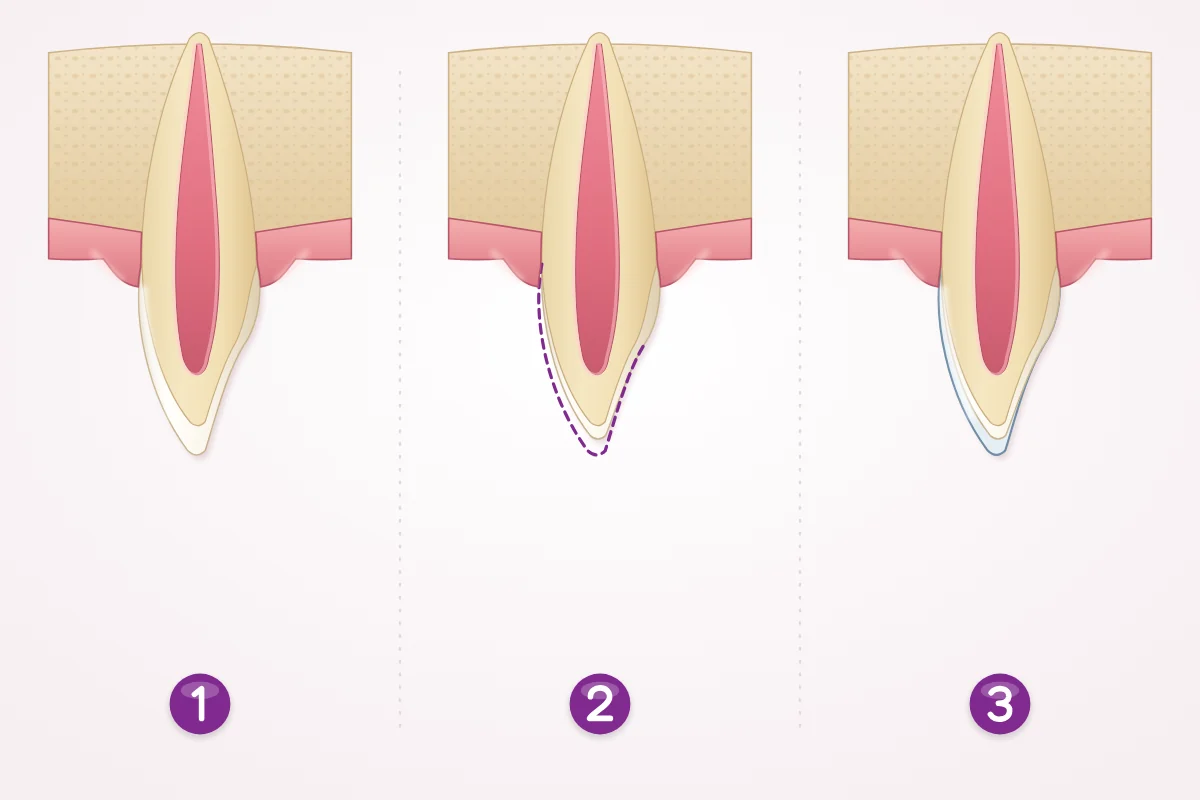
Composite veneers are different. The dentist builds tooth-colored resin directly onto the tooth, hardens it with a light, then shapes and polishes it. ADA notes that composite may need less enamel removal and fewer visits and is easier to repair, while porcelain resists stains and wear better. A dental school article from Naresuan University in Thailand makes the same comparison: direct composite can be finished in one visit, while laboratory-made ceramic veneers are fitted at a following visit and keep their color and shine better over time.
How well do porcelain veneers hold up? A systematic review of 13 clinical studies estimated that about 89 in 100 porcelain and glass-ceramic veneers were still in place over long-term follow-up. The most common problem was chipping or a small fracture, followed by veneers coming loose. A study of patients with and without tooth grinding found more fractures and debonding in people who grind, and that wearing a night guard lowered the risk of fractures. This is one reason the bite check matters, even when time is short.
What can add time
- Treating decay, old fillings or gum inflammation first, so the veneers sit on healthy teeth and gums. Thai dental school advice is the same: treat decay and gum problems before veneers.
- Gum shaping, which is sometimes planned before veneers so the teeth look balanced. When it is, the gum dentist and the restorative dentist plan it together.
- Whitening first, plus a gap before bonding.
- Removing old veneers or crowns before new ones are made.
- A wax-up model to preview the shape, which takes extra laboratory time.
- A night guard if you grind your teeth, which needs its own impression or scan.
The number of teeth matters less than people expect. Some people need one or two veneers; others choose veneers across the front teeth that show in their smile. The steps are the same either way, and your dentist suggests a number during smile design.
The steps, one by one
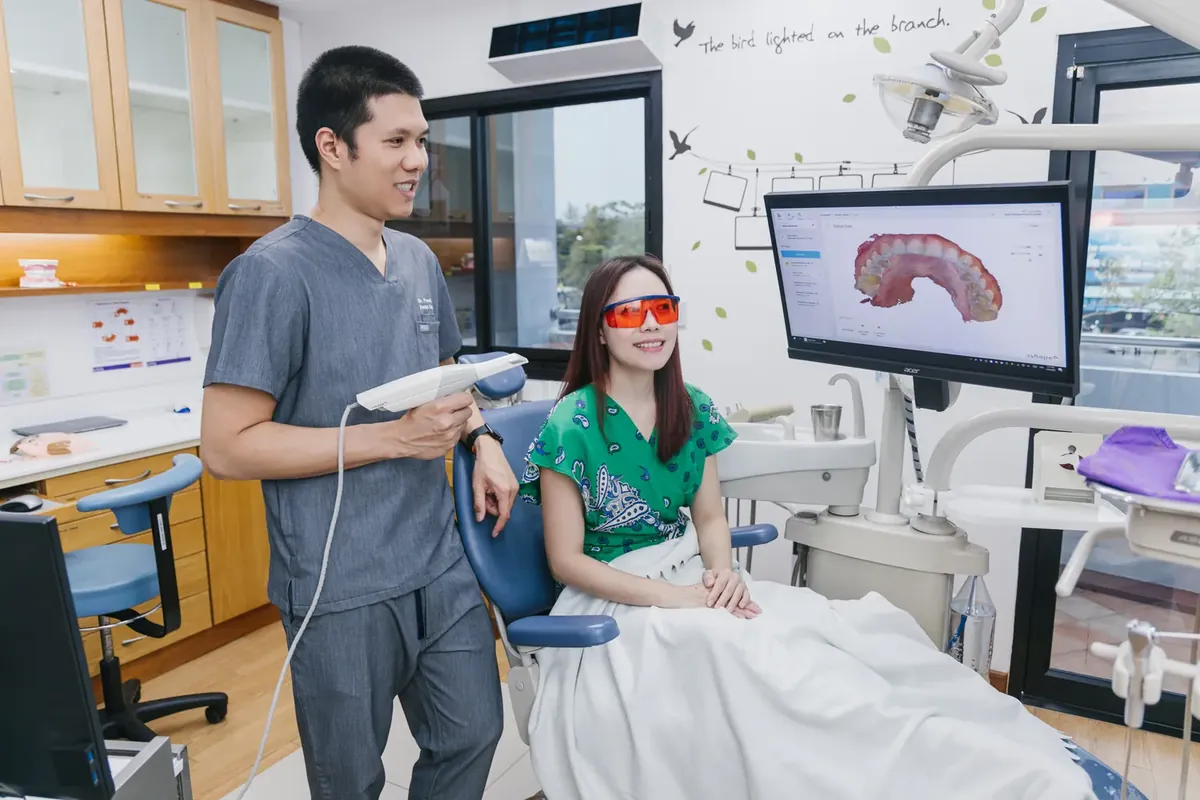
These are the steps at Kitcha Dental Clinic for porcelain veneers. Composite veneers follow the first step, then are usually built, shaped and polished in a single visit.
- Consultation and smile design. Examination, X-rays if needed, photos, a digital scan and your Digital Smile Design. You discuss the shape, length and shade and agree on the plan before any tooth is prepared. When it helps, a wax-up model shows the planned shape on a copy of your teeth.
- Tooth preparation. In some cases this can be done at the same visit as the consultation. A thin layer of enamel is usually removed, an impression or scan is taken, and temporary veneers are placed.
- Laboratory work. Porcelain veneers are made in the clinic partner laboratory, which is ISO-certified. How long this takes depends on your case.
- Try-in. The veneers are placed temporarily so you can check the shade, shape and fit together, and they are adjusted if needed.
- Bonding and bite check. The veneers are bonded, and your bite is checked at the end. Once veneers are bonded they cannot easily be changed, so raise any adjustments before the final bonding.
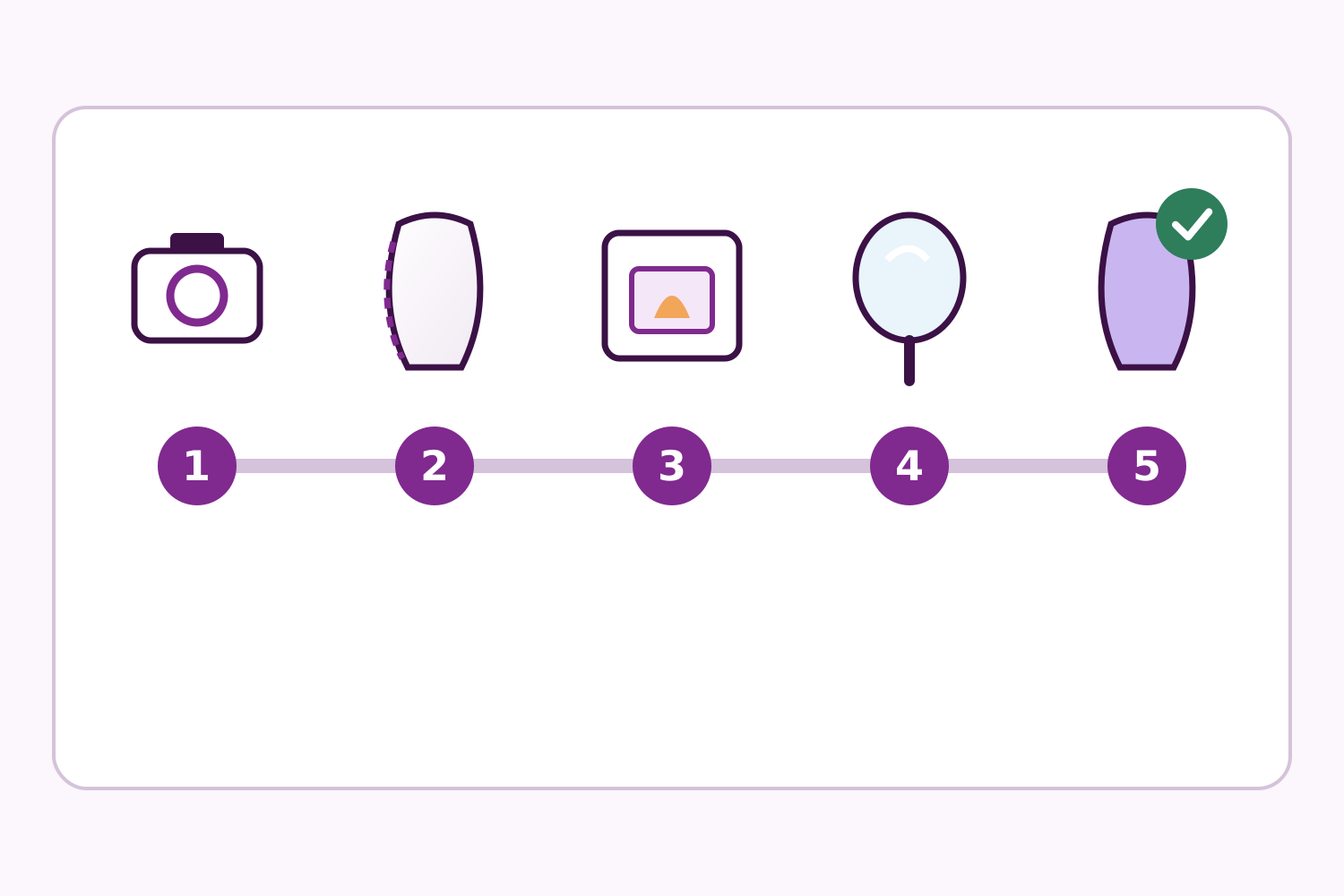
Planning with you before any tooth is changed is the slowest part to rush and the most valuable. Digital Smile Design is a plan to discuss, not a promise of the final result, because the result also depends on your teeth, gums, bite and materials. Your dentist explains any limits during planning.
Read about veneers at the clinic
How Digital Smile Design works
A sample trip plan for porcelain veneers

This sample shows how a 10 to 14 day stay is usually used. It is an example to help you plan, not a fixed schedule. Your dentist sets the actual dates for your case after the examination.
| Part of the stay | What happens | Your tips |
|---|---|---|
| Before you fly | Send photos of your smile, any recent X-rays and your travel dates. A dentist gives a preliminary opinion. | Book flights after you have a visit plan, not before. |
| Start of the stay | Examination, X-rays if needed, photos, scan and smile design. Any whitening or small treatment that should come first. | Keep the first days light on tours, so appointments can be arranged easily. |
| Preparation day | Teeth are prepared, scanned or impressed, and temporaries placed. In some cases this is the same day as the consultation. | Full payment for veneers is due on the day of preparation or impression. |
| Middle of the stay | The laboratory makes your veneers. You wear temporaries. | Good days for sightseeing. Avoid biting hard or sticky food with the temporaries. |
| Try-in and bonding | You check shade, shape and fit, adjustments are made, then the veneers are bonded and the bite is checked. | Say what you would like changed before bonding. It is much easier then. |
| Last days before you fly | A buffer for any small adjustment and a check that your bite feels right. | Avoid booking your flight for the same day as bonding. |
Practical points for your trip
- The clinic is open every day from 09:00 to 20:00, except 31 December, 1 January and 13 to 15 April. Plan around these dates.
- Coordinators reply in English and Thai, and a coordinator who speaks Chinese is available. LINE and WhatsApp are the quickest ways to send photos.
- Photos and X-rays allow a preliminary opinion only. Your final plan and fee are confirmed after an examination in person.
- The coordinator can help arrange a car from the airport or your hotel. You pay the fare.
- You can pay by card with no extra fee, or by PromptPay, bank transfer, cash and other methods. Payment details are on the prices page.
- Bring your passport, a list of medicines and any dental records you have.
Planning treatment from abroad
Life with temporary veneers
The middle of your stay, while the laboratory works, is usually yours to enjoy. Temporary veneers protect the prepared teeth and let you smile and speak normally, but they are held more lightly than the final veneers. A few habits keep them in place.
- Cut food into small pieces and chew with your back teeth.
- Avoid biting into hard or sticky food with your front teeth, such as crusty bread, nuts, ice, chewy sweets or corn on the cob.
- Brush gently at the gum line and clean between the teeth carefully, pulling floss out sideways rather than up.
- Go easy on coffee, tea and strongly colored food, which can stain temporaries.
- Use the time to notice how you like the length and shape, and tell your dentist at the try-in.
Before you fly: a checklist
- Clear photos of your smile, front and side, in daylight, plus any recent X-rays.
- A short note on what you would like to change: color, shape, length or gaps.
- Your travel dates, so the visits can be planned around them before you book.
- A list of medicines and health conditions, and whether you grind your teeth.
- If you have travel or health insurance, check your cover before you go, because cosmetic treatment is often not covered.
- Pictures of smiles you like can help the design conversation, as long as you know the result is planned around your own teeth and face.
Whitening and veneers: what comes first
Veneers are matched to the teeth around them, and whitening does not change the color of veneers afterward. So if you would like your other teeth lighter, whitening usually comes before the veneer shade is chosen. This changes the order of your trip, so mention it at the very start.
There is also a reason to leave a gap. Laboratory studies show that bonding to enamel is weaker right after whitening. In one study the effect was strongest one day after whitening and had recovered by about three days. Another found that a gap of 7 days was still not ideal for some bonding systems. The tooth color also settles for a short time after whitening. Your dentist plans the gap between whitening and bonding for your case.
Porcelain or composite: more than time
| Point | Porcelain veneers | Composite veneers |
|---|---|---|
| Made | In the partner laboratory | Built on the tooth, or made indirectly |
| Number of visits | More than one | Often one for direct composite |
| Tooth preparation | Usually a thin layer of enamel, which cannot be reversed | Often less |
| Stain and wear | Resists stains and keeps its surface well | Stains and wears more over time |
| Repairing a veneer | A chip usually means a new veneer | Easier to repair |
| Warranty | Laboratory-made veneers: 1-year warranty on the restoration, terms apply | Your dentist explains the terms for your case |
Time is only one factor. Your dentist explains which material suits your teeth, your bite and the result you want, and prices for each are on the prices page.
Common myths about veneer timing
| Myth | Fact |
|---|---|
| Porcelain veneers can always be done in one day. | Laboratory-made veneers need more than one visit. Direct composite is the option that is often done in one visit. |
| More teeth always means many more days. | The steps are the same for several teeth. Extra treatment needed first matters more than the count. |
| You can whiten after veneers to match them. | Whitening does not change veneer color, so whitening usually comes first. |
| The temporaries are the final look. | Temporaries protect the teeth while you wait. The final veneers are checked for shade, shape and fit at the try-in. |
| Veneers fix crooked teeth faster than braces in every case. | For crooked or crowded teeth, orthodontic treatment may suit better. Cleveland Clinic notes that veneers can camouflage protruding teeth but do not correct the bite. |
| Once bonded, veneers are easy to change. | Bonded veneers are hard to change. That is why the try-in matters. |
After veneers: what is normal and when to contact the clinic
Usually normal for a short time
- Mild sensitivity to cold after preparation or bonding.
- The new teeth feel slightly bigger or different to your tongue at first.
- Slight changes in speech for a few days while you get used to them.
Contact the clinic
- A temporary veneer comes off or breaks.
- Your bite feels high or you hit one tooth first when you close.
- Sensitivity that gets worse instead of better, or pain when biting.
- A veneer feels loose, chips or has a rough edge.
- Your gums around the veneers stay sore or swollen.
If you are already home, send a photo and a short description on WhatsApp or LINE, and your dentist will advise you. Work covered by the warranty is handled at the clinic in Chiang Mai.
Looking after veneers once you are home
Veneers cover the front of the tooth, but the tooth underneath and the gum around it still need care. The ADA notes that decay can still form around veneers, and both the ADA and the Naresuan University dental school give similar advice for keeping them looking good.
- Brush twice a day with fluoride toothpaste, paying attention to the gum line, and clean between the teeth every day.
- Do not use your front teeth to open bottles or packets, bite nails or chew ice.
- Wear a mouthguard for contact sports, and a night guard if you grind your teeth. A review of athletes found fewer dental injuries among mouthguard users.
- Coffee, tea and red wine stain composite more than porcelain, so rinse with water after them.
- Keep up regular check-ups and cleanings with your local dentist, and tell them you have veneers. Cleveland Clinic notes that veneers are a long-term commitment that needs routine check-ups and good daily care.
- Ask the hygienist to polish veneers gently, without harsh pastes that can dull the surface.
Planning veneers with the clinic, step by step
- Send a few clear photos of your smile, say what you would like to change, and add your travel dates. A coordinator replies in English or Thai.
- A dentist reviews them and gives a preliminary opinion, and the visits are planned around your dates.
- At the first visit, your dentist examines your teeth and gums, takes X-rays if needed, and explains whether porcelain, composite or another treatment suits you better.
- Smile design follows, and you agree on the shape, length and shade. Digital Smile Design is a separate planning fee.
- Preparation, laboratory work, try-in and bonding follow the plan. Your dentist tells you the number of visits and dates for your case.
- Before you leave, you get care advice. If you grind your teeth, your dentist may suggest a night guard to protect the veneers.
Veneers are planned and placed by dentists with postgraduate training in esthetic restorative dentistry and prosthodontics. If you have old veneers or crowns that need replacing, they can be removed with the help of the Waterlase dental laser when your dentist finds it suitable.
If this sounds like you: what to do
These are example situations, not patient stories, to help you find the next step that fits.
- You have one week of holiday and want porcelain veneers: send photos and your dates first. A shorter stay may be possible depending on your case, or composite veneers may fit the time better.
- You want to whiten and have veneers on the front teeth: say so at the start, so whitening can be done before the shade is chosen. Plan toward the longer end of the stay.
- You have an old crown next to the teeth you want veneered: ask whether it should be replaced at the same time, so the colors match.
- Your gums bleed when you brush: gum care may come first so the veneer edges sit on healthy gums. This can add time.
- You grind your teeth at night: mention it. A night guard after veneers helps protect them, and making one takes a visit.
- Your teeth are crowded: ask whether orthodontic treatment first would give a better result than veneers alone. It takes longer, but may save tooth structure.
- You are flying home soon after bonding: book the flight for a later day, not the bonding day, to allow time for a bite check.
Frequently asked questions about veneer timing
How many visits do porcelain veneers need?
More than one, because they are made in a laboratory: consultation and smile design, tooth preparation with temporaries, then try-in and bonding. In some cases the consultation and preparation can be on the same day.
Can veneers be done in one day?
Direct composite veneers are often done in a single visit. Laboratory-made porcelain veneers need more than one visit.
How long should I stay in Chiang Mai for veneers?
For porcelain veneers, the clinic recommends one trip with a stay of 10 to 14 days. A shorter stay may be possible depending on your case and its complexity. Send photos and dates for a visit plan.
Do I need to wear temporary veneers?
After porcelain veneer preparation, temporary veneers are placed while the laboratory makes the final ones. Avoid biting hard or sticky food with them, and contact the clinic if one comes off.
Does getting veneers hurt?
Preparation is usually done with local anesthetic when needed. Some people feel mild sensitivity for a short time afterward. Tell your dentist if your teeth or gums are sensitive, and contact the clinic if it gets worse.
Can I fly right after getting veneers?
Veneers do not stop you flying, but it is wise to keep a day or two after bonding for a bite check and any small adjustment. Avoid booking your flight on the bonding day.
Should I whiten my teeth before veneers?
Often, yes, if you want your other teeth lighter. Whitening does not change veneer color afterward, so it usually comes before the shade is chosen, with a gap before bonding.
What if a veneer has a problem after I go home?
Send a photo and a short description on WhatsApp or LINE, and your dentist will advise you. Laboratory-made veneers have a 1-year warranty on the restoration, terms apply. It is used at the clinic in Chiang Mai and does not include travel or accommodation.
Summary
Composite veneers are often done in one visit. Porcelain veneers need more than one visit, and the clinic recommends one trip of 10 to 14 days in Chiang Mai, with a shorter stay possible depending on your case.
- Send photos and travel dates first, and book flights after you have a visit plan.
- Smile design before any tooth is changed is worth the time.
- Whiten first if you want lighter teeth, and allow a gap before bonding.
- Raise any change at the try-in. Bonded veneers are hard to change.
- Keep a day or two after bonding before you fly, and protect veneers with a night guard if you grind.
References
American Dental Association (MouthHealthy): Veneers
Faculty of Dentistry, Naresuan University: Veneers (Dr. Pornpot Jiangkongkho)
Cleveland Clinic: Cosmetic Dentistry