
Being afraid of the dentist is common, and it is nothing to be embarrassed about. If fear has kept you away for a while, start by telling the team when you book. Your dentist explains each step before starting and works at a pace you are comfortable with. For some people, inhaled sedation or oral sedation can also help, after the dentist reviews your health.

Why many people are afraid of dental treatment
Fear of the dentist often has more than one cause: a painful or unpleasant visit in the past, fear of needles or the sound of instruments, feeling out of control in the chair, or embarrassment after a long time away. Knowing what worries you most helps your dentist plan care around it.
Tell us when you book
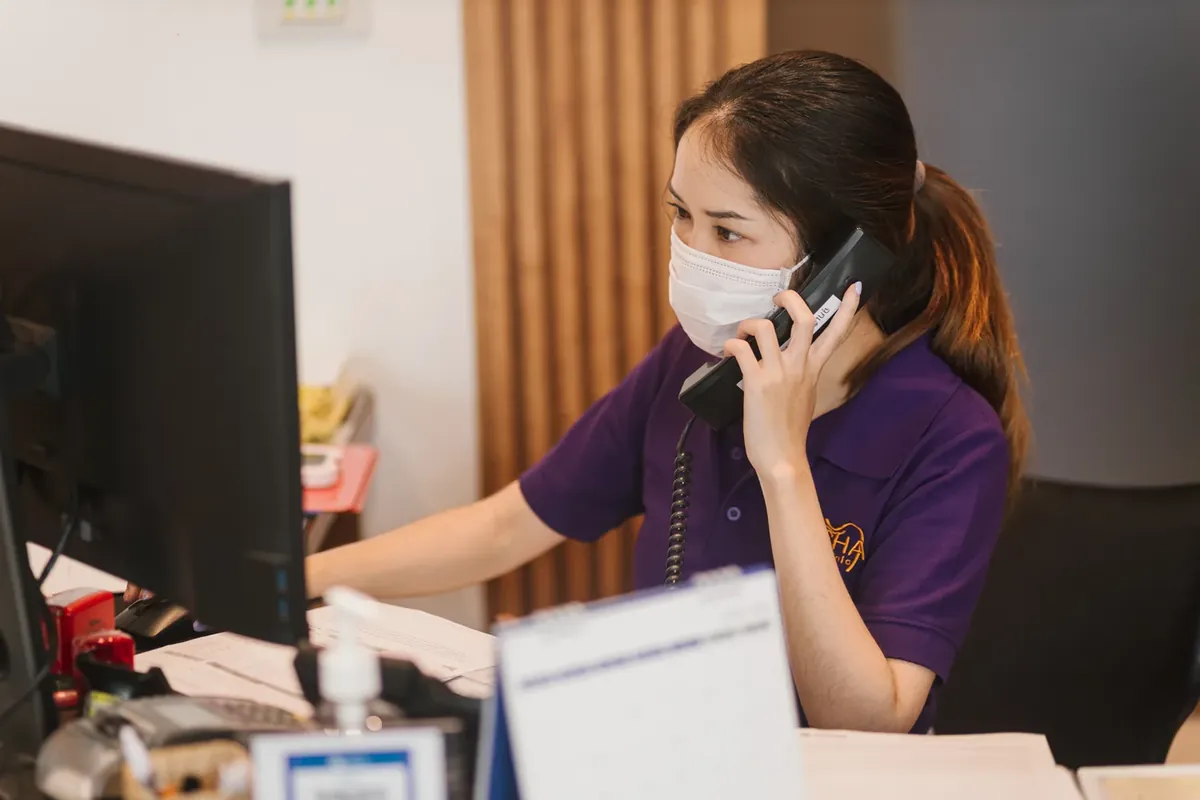
When you book, tell the team what treatment you need and what worries you. They can set aside enough time and arrange a suitable dentist. If you are still unsure, you can ask on LINE, WhatsApp or by phone before you decide.
What helps during treatment
- Ask your dentist to explain what they will do and how long it will take before they start.
- Agree on a signal for a break before you begin, such as raising your hand.
- If you feel anything sharp or painful, tell your dentist straight away.
- If sitting for a long time is hard for you, treatment can be split into shorter visits.
Local anesthesia and what you feel
Local anesthesia numbs the area being treated, so during treatment most people feel only pressure. Some treatments can leave the area a little sore afterwards, which is common.
Sedation helps you feel calm, but it does not numb your teeth, so local anesthesia is still used with it.
Sedation options at the clinic
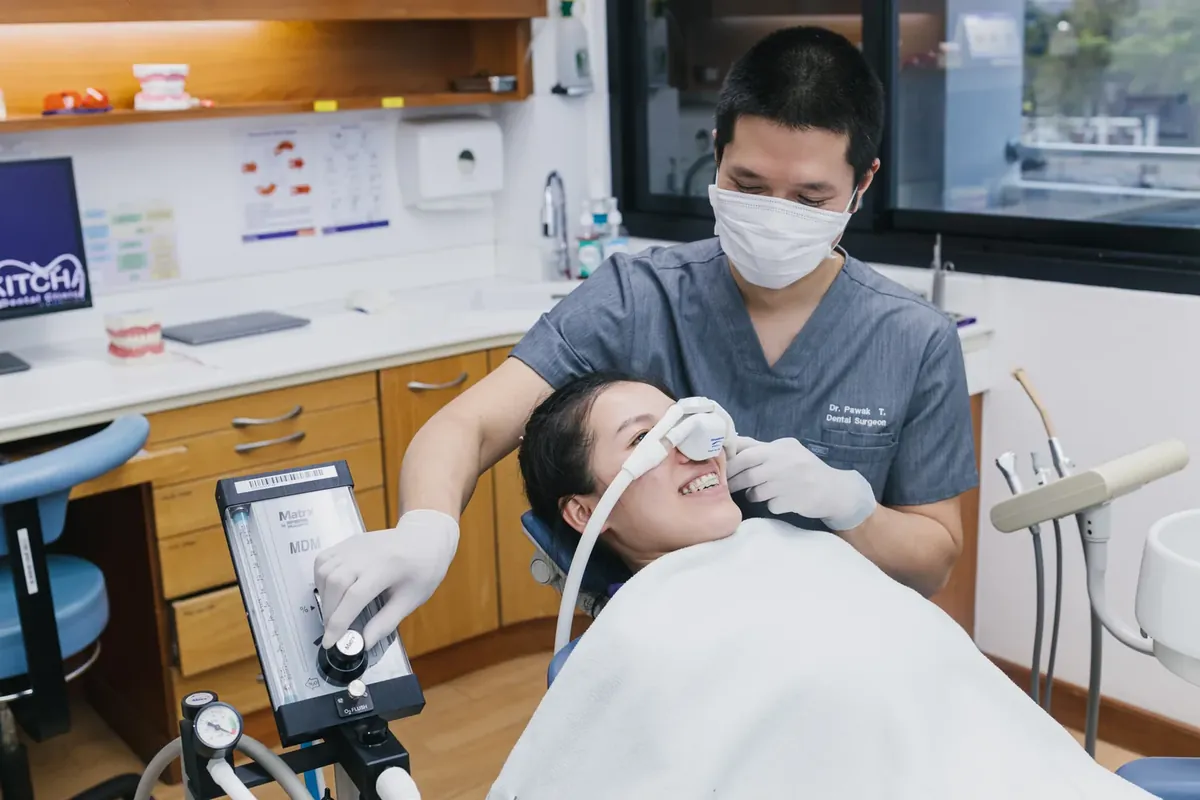
- Inhaled sedation: you breathe through a small mask over your nose. Most people feel relaxed within a few minutes and can still talk with the dentist. The level can be adjusted during treatment, and the effect wears off quickly once you breathe oxygen at the end.
- Oral sedation: a medicine prescribed by your dentist and taken before treatment exactly as instructed. It makes you calm and drowsy while still aware, and it lasts much longer, sometimes into the next day. An adult must come with you and take you home, you must not drive, and you should not drink alcohol.
With either option, most people stay aware throughout and can talk with the dentist. If treatment under general anesthesia is needed, we refer you to a hospital and coordinate your care.
Sedation dentistry in Chiang Mai
Your health comes first
Your dentist reviews your medical conditions and the medicines you take before deciding. Please bring a list of your medicines and mention any breathing problems or a blocked nose. If you are or might be pregnant, tell your dentist: your dentist uses other ways to help you relax instead of nitrous oxide and oral sedation, and plans your care. Your dentist asks for your consent before using sedation.
Sedation is given by a dentist trained in it. A fingertip monitor checks your oxygen level throughout, and the clinic keeps oxygen and emergency equipment ready. If sedation is not suitable for you, your dentist suggests other ways to make treatment easier.
After your visit
After inhaled sedation you breathe oxygen and rest at the clinic until the dentist checks that you are ready to go. Most people can drive or return to work the same day. After oral sedation you must not drive or ride a motorbike, and you should not drink alcohol. Drowsiness can last into the next day, so plan time to rest.
Cost
Inhaled sedation is charged by the time used and is listed on the prices page under oral surgery. Your dentist tells you the cost of oral sedation before treatment. Sedation is charged separately from the treatment and only when you use it.