

The tooth is out, the gauze is in your mouth, and the numbness is starting to fade. Now come the practical questions. When can I rinse? What can I eat tonight? Is this much bleeding normal? Will the swelling be worse tomorrow?
The good news is that most extraction sites heal smoothly when the blood clot in the socket is protected for the first few days. Soreness and swelling are part of normal healing and usually ease day by day. What helps most is knowing what to expect at each stage, so you can relax when things are normal and act early when something is not.
This guide follows your recovery hour by hour on the first day, then day by day to two weeks. It covers Thai soft food you can eat, how to rinse and brush, dry socket in detail, sleep, exercise and travel, and a clear table of what is normal and when to contact us. The advice matches the written instructions our dentists give after extractions and wisdom tooth surgery.
In short: bite firmly on the gauze as your dentist advises, and do not spit, rinse hard or use a straw on the first day. Use cold packs for the first 1 to 2 days, eat soft food for 3 to 5 days, and avoid smoking and alcohol for at least 72 hours. Start gentle warm salt water rinses from the second day. Swelling usually peaks around day 2 to 3 and then settles. Pain that gets worse after day 2 or 3, bleeding that does not stop with pressure, fever or pus are reasons to contact the clinic.
Is this normal? A quick self-check
Usually normal, keep following your care plan
- Pink or light red saliva on the first day.
- Soreness that is strongest in the first 2 to 3 days and then eases.
- Swelling of the cheek that builds up to day 2 or 3, then goes down.
- A stiff jaw, or opening a little less widely for a few days, especially after wisdom tooth surgery.
- A bruise on the cheek or jaw that changes from purple to green to yellow.
- A whitish or yellowish layer over the wound after a few days, which is healing tissue.
Contact the clinic the same day
- Pain that was easing and then becomes worse after day 2 or 3, sometimes spreading toward the ear.
- A bad smell or taste from the socket.
- Swelling that keeps increasing after day 3, or a fever or chills.
- Pus from the wound, or a feeling that a sharp piece of bone or root is sticking out.
- Numbness of the lip, chin or tongue that lasts past the day after surgery.
Get help urgently
- Bleeding that keeps flowing for more than 2 hours even with firm pressure on gauze.
- Difficulty breathing or swallowing, or swelling that spreads under the jaw or toward the eye.
Emergency dentist in Chiang Mai
The first day, step by step
The first day is all about the blood clot. The clot fills the socket, stops the bleeding and becomes the base for new gum and bone. Thai university dental hospitals give the same core advice as our own instruction sheets: bite on gauze, swallow your saliva instead of spitting it out, and keep the area still.
| Time | What is normal | What to do |
|---|---|---|
| Right after, up to about 1 hour | Fresh oozing while the clot forms. Lips and cheek are still numb. | Bite firmly on the gauze for as long as your dentist says. Our instruction sheets advise about 1 hour. Swallow saliva, and keep talking to a minimum. |
| 1 to 3 hours | Light pink oozing can continue. The numbness slowly wears off. | If it is still oozing, place a fresh folded gauze right on the socket and bite again. Avoid hot drinks and chewing while you are numb. |
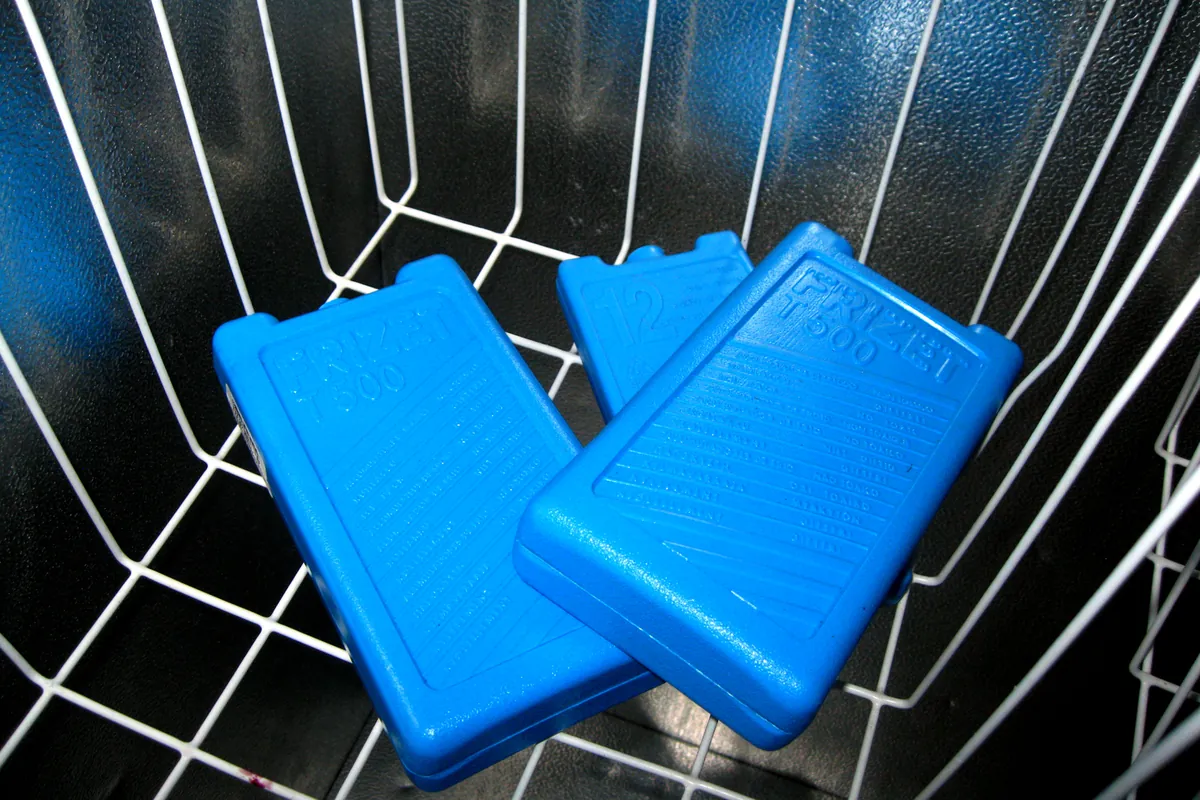
| 3 to 6 hours | Soreness starts as the anesthetic fades. Swelling begins. | Take the medicines your dentist prescribed. Use a cold pack on the cheek 15 to 20 minutes at a time. Have a cool, soft meal on the other side. |
| Evening and night | A little blood on the pillow is common. | Rest, and sleep with your head raised on an extra pillow on the first night. Brush your other teeth gently, keeping away from the wound. |
| Next morning, a full day later | The clot is settling in. The cheek may look fuller than yesterday. | Start gentle warm salt water rinses, letting the water fall out of your mouth instead of spitting hard. |
If it keeps oozing: how to use gauze properly
- Wash your hands and fold a clean gauze into a small, thick pad.
- Place it right over the socket, not between your front teeth.
- Bite down firmly and steadily, without chewing, and keep the pressure on.
- Sit upright and rest quietly. Lying flat or moving around a lot can keep the bleeding going.
- If oozing continues past 2 hours despite firm pressure, contact the clinic.
A little blood mixes with a lot of saliva, so the amount often looks bigger than it is. Pink saliva is normal. Fresh red blood that keeps filling your mouth is the kind that needs firm gauze pressure, and help if it does not settle.
Our care sheet after a tooth extraction
Day 2 to week 6: what healing looks like
Healing happens in layers. The gum closes first, usually in about 2 weeks, while the bone underneath keeps filling in for about 3 to 6 months. Thai university dental hospitals note that swelling often peaks around day 2 to 3, and that a bruise may appear and fade over about a week. Our timeline below is a typical guide, and wisdom tooth surgery usually takes a few days longer than a simple extraction.
| Time | What is normal | What to do |
|---|---|---|
| Day 2 | Swelling grows. Soreness is steady. Light pink saliva can still appear. | Keep using cold packs. Rinse gently with warm salt water after meals and before bed. Soft food only. |
| Day 3 | Swelling is usually at its peak, then begins to settle. The jaw may feel stiff. | After surgery, switch from cold to warm packs from day 3. Open and close your mouth gently to ease stiffness. |
| Days 4 to 5 | Each day feels a little better. Eating gets easier. | Move from very soft food to soft, everyday food chewed on the other side. Keep rinsing after meals. |
| Days 6 to 7 | Most soreness has gone. Stitches may feel loose. | Come for your check visit. Stitches that do not dissolve are usually removed at about 7 days, within 5 to 10 days. |
| Days 8 to 14 | The gum closes over the socket. A small dip can remain. | Return to normal food gradually. Brush the area gently and keep food out of it. |
| Weeks 3 to 6 | The dip slowly fills in. The gum looks pink and firm. | Rinse after meals if food still collects in the dip. |
| Months 3 to 6 | The bone underneath fills in fully. | A good time to plan a replacement such as an implant, bridge or denture, if one is needed. |
If your extraction was planned with an immediate implant or a bone graft, your dentist gives you a separate plan, because the timing and care differ from an extraction on its own.
Simple extraction or surgery: how the care differs
A simple extraction removes a tooth that has fully come through the gum, usually without stitches. A surgical removal is used for a tooth that is broken at the gum line or has not come through, such as an impacted wisdom tooth. The gum is opened, the tooth may be divided, and stitches are usually placed. The basic care is the same for both. Surgery simply needs a little more time and a few extra steps.
| Topic | Simple extraction | Surgical removal |
|---|---|---|
| Gauze | About 1 to 2 hours, per our instruction sheet | About 1 hour, then fresh gauze if needed |
| Swelling and bruising | Usually mild | More common, peaks around day 2 to 3 |
| Packs | Cold packs on the first day | Cold for 24 to 48 hours, then warm from day 3 |
| Soft food | A few days | 3 to 5 days, longer if chewing is still stiff |
| Stitches | Often none | Check visit at about 7 days to remove non-dissolving stitches |
| Numbness | Wears off within a few hours | Lip or chin numbness can last longer when the tooth was deep. Tell your dentist if it continues. |
For upper back teeth, the roots can sit close to the sinus. Our instruction sheets advise against blowing your nose hard or sneezing with your mouth closed for the first days. If you need to sneeze, keep your mouth open to let the pressure out.
Our care sheet after wisdom tooth or impacted tooth surgery
What to eat after an extraction: a Thai soft food plan
Good food helps you heal, and Thai home cooking has plenty of gentle options. Choose food that is soft, lukewarm or cool, and mild. Our instruction sheets advise soft food for 3 to 5 days and avoiding hot, spicy, chewy or hard food. MedlinePlus suggests chewing on the other side and avoiding hard, crunchy food for about a week.
| Time | Good choices | Better to skip for now |
|---|---|---|
| First day | Cool soy milk or milk, yogurt, smooth rice porridge left to cool, egg custard, silken tofu, soft pudding. Drink from a cup. | Hot soup, straws, alcohol, fizzy drinks, chili. |
| Days 2 to 3 | Rice porridge with minced pork or fish, soft rice soup, steamed egg, mashed pumpkin, ripe banana, soft fish. | Spicy curries, som tam, sticky rice, crunchy snacks, small seeds. |
| Days 4 to 5 | Soft noodles in mild broth, omelet with rice, tofu with soft vegetables, well-cooked minced meat. | Tough grilled meat, nuts, crusty bread, very hot dishes. |
| Days 6 to 14 | Most everyday food, cut small and chewed on the other side. | Hard, crunchy food on the healing side until the gum has closed. |

- Let rice porridge and soups cool to warm before eating, especially while you are still numb, so you do not burn your mouth without noticing.
- Keep drinking water through the day. Sip from a cup rather than a straw.
- Eat regular small meals. A steady intake of protein, such as egg, tofu, fish and milk, supports healing.
- If you have diabetes, keep your usual meal times and plan soft versions of your regular meals.
When to rinse and brush, and how
A clean mouth heals faster, but the clot needs a calm first day. That is why the first day is about swallowing rather than spitting, and gentle care starts from day 2.
- Day 1: brush your other teeth gently and keep the brush away from the wound. Keep rinsing and spitting for later.
- From day 2: rinse with warm salt water after meals and before bed. A Thai university dental hospital suggests about half a teaspoon of salt in a glass (250 ml) of warm water.
- Rinse by tilting your head side to side, then let the water fall into the sink instead of spitting hard.
- From about day 3 or 4: brush close to the wound with a soft brush, using small gentle strokes.
- Gentle warm salt-water rinses at the times in the clinic aftercare sheet are what most people need. Use a mouthwash only if your dentist prescribes one, exactly as directed.
Keep your tongue and fingers away from the socket. It is natural to explore the new gap, but touching it can disturb the clot and bring in bacteria.
Dry socket: how to spot it early and lower the risk
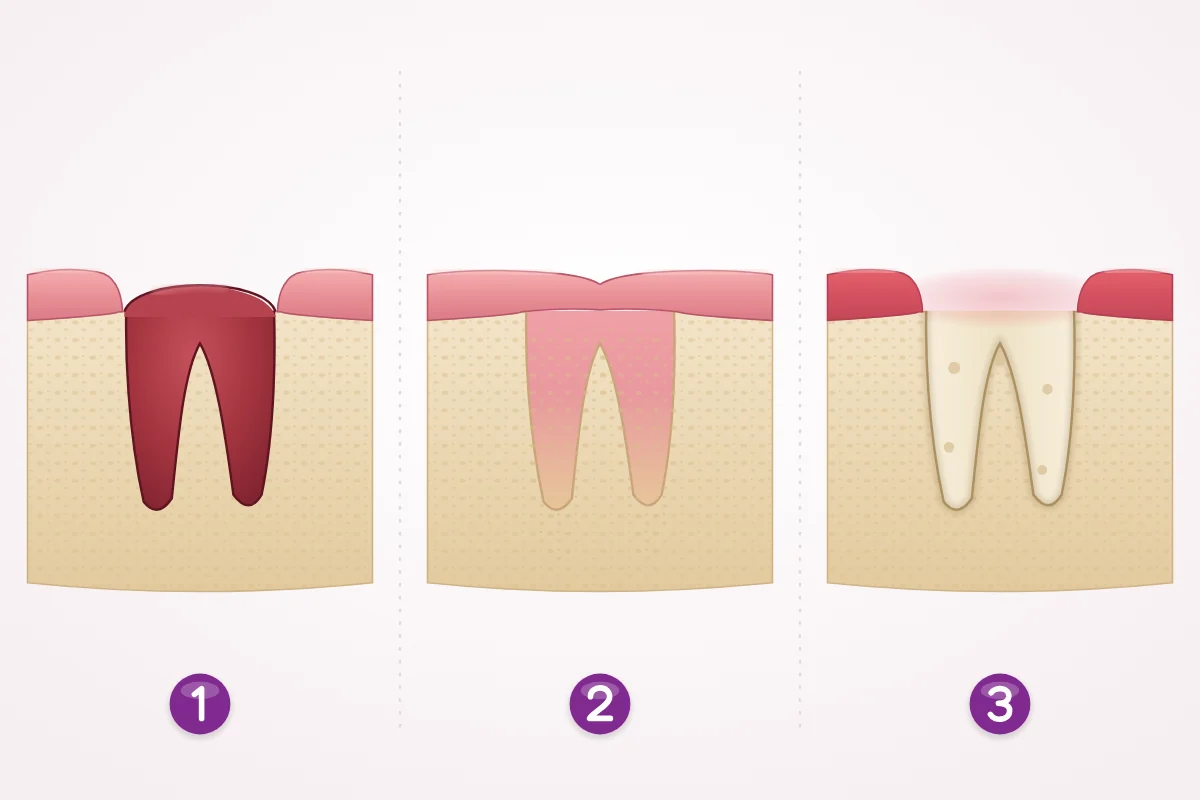
A dry socket happens when the blood clot breaks down or comes out too early, leaving the bone in the socket exposed. It is the most common reason for pain that gets worse instead of better. A Cochrane review in 2022 reports that it happens in about 1 to 5 percent of routine extractions and can reach about 30 percent after surgical removal of wisdom teeth, mostly lower back teeth. Cleveland Clinic gives a similar figure of 2 to 5 percent of all extractions.
How it feels
- Pain that starts or gets stronger around day 2 to 4, after the first days were getting easier. The Cochrane review describes severe pain developing 2 to 3 days after the extraction.
- Pain that spreads toward the ear, temple or neck on the same side.
- A bad taste or smell, and a socket that looks empty or whitish instead of dark red.
- Fever is uncommon with a dry socket. Fever with swelling points more toward infection, which also needs a check.
Who has a higher risk
| Factor | What research shows |
|---|---|
| Smoking | A 2022 systematic review found dry socket in about 13 percent of smokers compared with about 4 percent of non-smokers, more than three times the odds. |
| Birth control pills with estrogen | A JADA meta-analysis found nearly twice the risk in women using them (13.9 compared with 7.5 percent). |
| Lower wisdom tooth surgery | Higher rates than other groups are reported after surgical removal of lower third molars. |
| Disturbing the clot | Cleveland Clinic lists straws, vigorous rinsing and poor oral hygiene among the risks. |
Lowering your risk
- Avoid smoking and vaping for at least 72 hours, and longer if you can. This is also a good moment to cut down or quit.
- Drink from a cup. Cleveland Clinic advises skipping straws for at least a week.
- Swallow rather than spit on the first day, then rinse gently.
- If you take a contraceptive pill, mention it when you book. It is a useful detail for planning, and you do not need to stop it.
- Keep your mouth clean with gentle rinses from day 2.
If it happens: what the clinic does
A dry socket is treatable, and relief often comes quickly. At the clinic, the dentist gently cleans the socket and places a soothing dressing inside it, and may ask you to come back to change it. The Cochrane review found several dressings and rinses in use, with limited evidence to rank one above another, so your dentist chooses what suits your socket. Cleveland Clinic notes that a dry socket usually heals within 7 to 10 days with proper care. Taking leftover antibiotics on your own does not treat it, so please contact us instead.
Sleep, exercise, work, travel and smoking
Sleep
Sleep with your head raised on an extra pillow on the first night, as our instruction sheets advise. This helps limit throbbing and oozing. Put an old towel over the pillow so you do not worry about a little blood.
Exercise and work
Rest and avoid strenuous activity for 48 to 72 hours. Hard exercise raises blood pressure and can restart bleeding. Cleveland Clinic gives the same 48 to 72 hour window and suggests not lifting heavy objects. Many people return to desk work or study within a day or two, and a little longer after wisdom tooth surgery. Gentle walking is fine.
Flying and travel
Most people can travel 2 to 3 days after an extraction, and your dentist confirms this for your case. If you are visiting Chiang Mai, tell us your travel dates when you book, so the extraction and the check visit fit your trip. If sedation is used, you stay at the clinic until you are fully alert, and you follow the instructions you are given about driving.
Smoking, vaping and alcohol
Our instruction sheets advise no smoking or alcohol for at least 72 hours. Smoking reduces blood flow and the suction of drawing on a cigarette can pull at the clot. Cleveland Clinic includes vaping in the same advice. Alcohol can increase bleeding and may not mix well with the medicines you were given.
Your medicines after an extraction
Take the medicines your dentist prescribed, following the label. If you were given antibiotics, finish the whole course as prescribed. Each medicine the clinic dispenses has its own information page on our website, so you can check how to take it.
If you take a blood thinner or antiplatelet medicine, do not stop it yourself. In some cases the medicine does not need to be stopped; in others, your dentist may first consult the doctor who looks after you. Tell your dentist the name of every medicine you take when you book.
Information on the medicines the clinic dispenses
Common myths after an extraction
| Myth | Fact |
|---|---|
| Spit out the blood so the wound stays clean. | On the first day, swallowing your saliva protects the clot. Spitting creates suction that can pull it out. |
| Rinse hard with salt water straight after, to stop infection. | Salt water rinses start from day 2, gently. On day 1, the clot needs to stay put. |
| Hot compresses help from the first day. | Cold comes first, for 24 to 48 hours, to limit swelling. Warm packs help from day 3 after surgery. |
| A whitish layer on the wound means it is infected. | A soft whitish or yellowish layer is usually healing tissue. A bad smell, pus or worsening pain are the signs to check. |
| Swelling on day 3 means something went wrong. | Swelling often peaks around day 2 to 3. What matters is that it then starts to go down. |
| Leftover antibiotics at home will fix a painful socket. | Worsening pain needs a check. A dry socket is treated in the socket itself, and the dentist decides if medicine is needed. |
Normal healing or time to call? A clear guide
Most changes after an extraction are part of normal healing. This table helps you decide calmly. Our team will ask a few questions and arrange a time that fits how urgent it is.
| What you notice | Usually means | What to do |
|---|---|---|
| Pink saliva, mild ache, swelling up to day 3 | Normal healing | Keep following this guide |
| Oozing that restarts after eating or talking | Usually minor | Firm gauze pressure, sit upright and rest |
| Pain that gets worse after day 2 or 3, bad taste | Possible dry socket | Contact the clinic the same day |
| Fever, chills, pus, swelling growing after day 3 | Possible infection | Contact the clinic promptly |
| Bleeding over 2 hours despite firm pressure | Needs to be seen | Contact the clinic now, keeping pressure on |
| Trouble breathing or swallowing, spreading swelling | Urgent | Get emergency medical help right away |
Aftercare support at the clinic
- Before the extraction: your medical history and medicines are checked, and X-rays or a CBCT scan are taken when needed, so the removal and your recovery can be planned.
- On the day: local anesthesia, with inhaled or oral sedation for suitable cases if you feel anxious. Surgical removals are done by dentists with postgraduate training in oral and maxillofacial surgery.
- Before you leave: the dentist explains your aftercare and gives you written instructions for an extraction or for surgery.
- Check visit: at about 7 days, healing is checked and any stitches are removed.
- If you have a concern: message or call us. The team assesses how urgent it is and arranges a time. The clinic is open every day from 09:00 to 20:00.
If you use Thai Social Security for an extraction or wisdom tooth surgery, you pay at the clinic, the clinic issues a medical certificate and a receipt, and you claim the benefit yourself.
All aftercare instruction sheets
Read about tooth extraction at the clinic
Do all wisdom teeth need to come out?
See extraction and oral surgery prices
If this sounds like you: what to do
These are example situations, not patient stories, to help you find the next step that fits.
You had a back tooth out this afternoon and the gauze is still pink
Pink gauze is expected. Place a fresh folded pad right over the socket, bite firmly and sit upright for a while. Have a cool, soft dinner on the other side, and sleep with an extra pillow. If fresh bleeding still flows past 2 hours of firm pressure, contact the clinic.
It is day 3 after wisdom tooth surgery and your cheek is at its biggest
This is usually the peak. Switch from cold to warm packs today, keep eating soft food, and open and close your mouth gently. If the swelling keeps growing after today, or you have a fever, contact the clinic.
Day 4, and the pain is suddenly worse than yesterday
Pain that turns around and gets worse at this stage can be a dry socket. It is treatable and relief often comes quickly once the socket is cleaned and dressed. Contact the clinic today rather than waiting.
You smoke and have an extraction booked next week
Plan a break from smoking now, starting before the extraction if you can and lasting at least 72 hours afterward. Avoid vaping during this time too. Many people find it a helpful start to cutting down for good.
You are flying home from Chiang Mai in 3 days
Most people can travel 2 to 3 days after an extraction. Tell us your flight date when you book, so your dentist can plan the timing and the check. Pack gauze in your hand luggage, choose soft food at the airport, and drink water from a cup.
Your lip still feels numb the morning after wisdom tooth surgery
Numbness from the anesthetic normally wears off within hours. When a lower wisdom tooth sits deep, the nerve nearby can be irritated, which our instruction sheet mentions as a possibility. Contact the clinic so the dentist can check and follow it up with you.
Frequently asked questions after an extraction
How long does it take to heal after an extraction?
Soreness usually eases within a few days, and most people feel back to normal within a week. The gum closes in about 2 weeks, and the bone underneath takes about 3 to 6 months to fill in fully. Wisdom tooth surgery usually takes a few days longer than a simple extraction.
When can I rinse my mouth?
Swallow your saliva on the first day. From day 2, rinse gently with warm salt water after meals and before bed, and let the water fall out of your mouth instead of spitting hard.
Hot or cold compress after an extraction?
Cold first. Use a cold pack wrapped in a cloth for 15 to 20 minutes at a time during the first 24 to 48 hours. After surgery, warm packs help from day 3 to ease swelling and bruising.
What should I do if the bleeding does not stop?
Place a fresh folded gauze right over the socket, bite firmly and steadily, and sit upright. If fresh bleeding continues for more than 2 hours despite firm pressure, contact the clinic straight away.
When can I smoke after an extraction?
Wait at least 72 hours, and longer if you can, including vaping. Smokers have a higher chance of dry socket, so every extra day without smoking helps the socket heal.
Can I brush my teeth after an extraction?
Yes. Brush your other teeth gently from the first day, keeping away from the wound. From about day 3 or 4, brush close to the socket with a soft brush and small, gentle strokes.
Which pain reliever should I take?
Take the pain reliever your dentist prescribed, following the label. If you have other health conditions or take regular medicines, your dentist chooses one that suits you. Our medicine information pages explain how to take each medicine the clinic dispenses.
When can I eat normally again?
Eat soft food for 3 to 5 days, then move toward everyday food chewed on the other side. Leave hard, crunchy food on the healing side until the gum has closed, usually around 2 weeks.
Is it safe to have an extraction during pregnancy?
Tell your dentist that you are pregnant, and your dentist plans your care with you.
Summary
Recovery after an extraction is mostly about protecting the blood clot in the first days, then keeping the area clean while it heals.
- Day 1: bite on gauze as advised, swallow instead of spitting, use cold packs and sleep with your head raised.
- From day 2: gentle warm salt water rinses after meals and before bed.
- Soft Thai food for 3 to 5 days, and no smoking, vaping or alcohol for at least 72 hours.
- Swelling peaks around day 2 to 3, the gum closes in about 2 weeks, and the bone fills in over 3 to 6 months.
- Pain that gets worse after day 2 or 3, bleeding past 2 hours with pressure, fever or pus: contact the clinic.
References
Cleveland Clinic: Tooth Extraction
MedlinePlus (US National Library of Medicine): Tooth extraction
NHS (UK): Wisdom tooth removal
Faculty of Dentistry, Mahidol University: Care before and after oral surgery (Thai)
Faculty of Dentistry, Chulalongkorn University: Bruising after wisdom tooth surgery (Thai)