
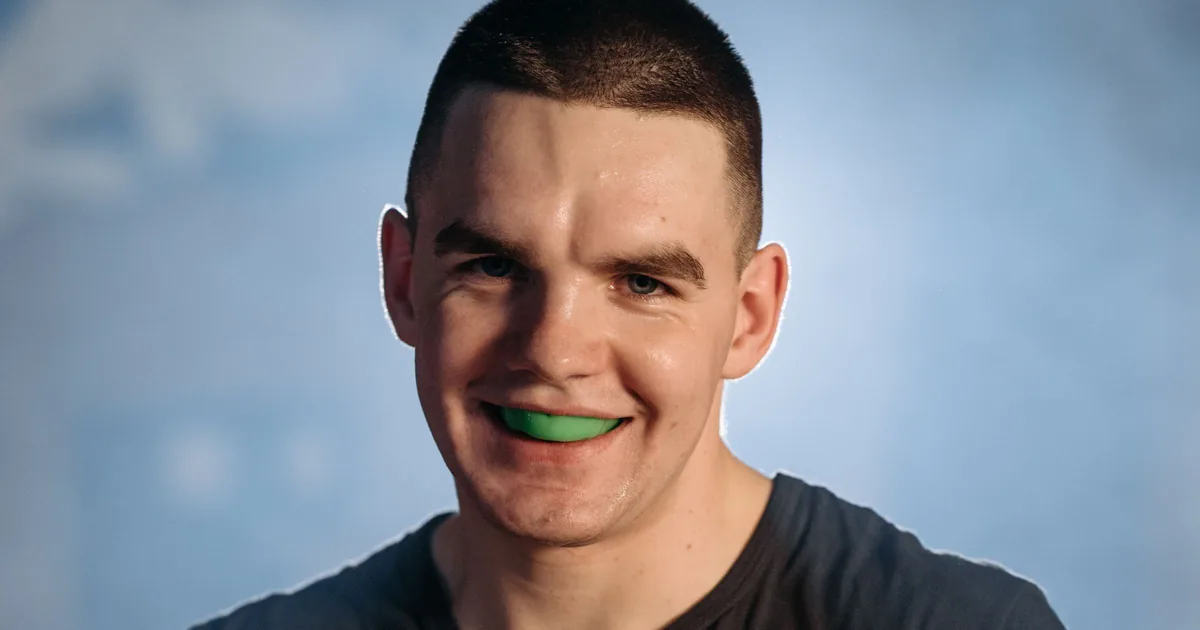
You have booked a Muay Thai camp, the gloves and shin guards are ready, and then someone asks about your mouthguard. Maybe you bought an inexpensive one at a sports shop and it keeps slipping out. Maybe you are wondering whether a guard made by a dentist is worth it, and how long it takes to get one in Chiang Mai.
The good news is that a well-fitting mouthguard is one of the simplest ways to protect your teeth, lips and gums in a contact sport. The American Dental Association lists boxing, martial arts and other combat sports among the activities where a mouthguard is recommended, and research reviews show fewer mouth and tooth injuries in people who wear one. A guard that fits closely also stays in place, so you can breathe, talk to your trainer and focus on the round.
This article explains what a mouthguard does, the three main types and how they differ, who should wear one, how to plan a custom guard around a training camp in Chiang Mai, how to look after it, what to do if a tooth is chipped or knocked out during training, and answers to common questions.
In short: a mouthguard protects the teeth, lips and gums in contact sports such as Muay Thai. Ready-made and boil-and-bite guards are quick to get, while a custom-made guard is shaped on a model of your own teeth, so it fits closely and stays in place. At our clinic, a sports mouthguard takes two visits: the first to record your teeth, the second to pick it up and try it in. It is ready 3 working days after the first visit, not counting that day, Sundays or public holidays.
Which mouthguard suits you? A quick self-check
A ready-made or boil-and-bite guard can do for now
- You are trying a few beginner classes with light pad work and no sparring yet.
- The guard stays in place when you open your mouth slightly, without you having to bite down.
- You can breathe through your mouth and speak a short sentence while wearing it.
A custom-made guard is worth considering
- You spar, clinch or compete, or you train several times a week.
- Your current guard slips, makes you gag, or you keep chewing it to hold it in.
- You are staying in Chiang Mai for a camp of a week or longer.
- Your child trains regularly in Muay Thai, boxing or another contact sport.
See a dentist first
- You have braces, a bridge, implants or crowns on your front teeth.
- A tooth already feels loose, sore to bite on, or has a chip from an earlier knock.
- You have gum swelling, a cavity you know about, or jaw pain when you open wide.
Why fighters wear a mouthguard
A punch, kick, knee or elbow to the face, or a fall onto the mat, sends a sudden force through the front teeth and the lips. A mouthguard sits between your teeth and that force. Its soft, springy material absorbs part of the impact and spreads the rest over a wider area, so a single front tooth takes less of the blow. It also keeps the lips and cheeks away from the sharp edges of the teeth, which is where many cuts inside the mouth come from.
How common are mouth and tooth injuries in combat sports? A systematic review in Dental Traumatology, covering 27 studies of sports including boxing, kickboxing and Muay Thai, estimated that about 30 percent of combat sports practitioners had experienced an injury to the teeth, jaw, lips or cheekbones. A study of 260 Muay Thai athletes in northeastern Thailand found dental and jaw injuries in 23.5 percent of them. Studies of Muay Thai in the UK found the head to be one of the most commonly injured areas, especially in amateur and professional fighters.
Does a mouthguard actually help? A 2019 systematic review and meta-analysis in Sports Medicine pooled studies comparing people who wore mouthguards with those who did not. Across 12 cohort studies, the overall risk of mouth and face injuries was about 2.3 times higher in people who did not wear one. The ADA summarizes reviews in which mouthguard users had far fewer dental injuries than non-users, and recommends a properly fitted mouthguard to reduce how often oral injuries happen and how severe they are.
What about concussion? This is where honest answers matter. The ADA describes the evidence on mouthguards and concussion as mixed and less consistent than for tooth injuries, and the same 2019 review found only a modest, uncertain difference. A wider 2023 review of concussion prevention reported a protective effect of mouthguards in collision sports such as rugby and ice hockey. So the main, well-supported job of a mouthguard is protecting the teeth and mouth. Protection from head injury comes from good technique, sensible sparring, headgear when your gym uses it, and stopping to get checked after a hard knock.
The three types of mouthguard and how they differ
Dental organizations group sports mouthguards into three types. All three are better than no mouthguard at all. The difference is how closely they follow the shape of your teeth, which affects how well they stay in place, how comfortable they are and how evenly the material covers each tooth.
| Type | How it fits | Good to know |
|---|---|---|
| Ready-made (stock) | Comes pre-shaped in a few sizes and is worn straight from the pack. | Quick to get. Often loose, so you may need to bite to keep it in, which can make breathing and talking harder. |
| Boil-and-bite (mouth-formed) | Softened in hot water, then shaped by biting into it and pressing with the tongue and fingers. | Fits better than ready-made if you follow the maker’s directions. The bite can thin the material over the front teeth. |
| Custom-made | Made on a model of your own teeth, so it follows every tooth and the gum edge. | Stays in place without biting, and the thickness can be planned for your sport. Needs a dental visit and a few days to make. |
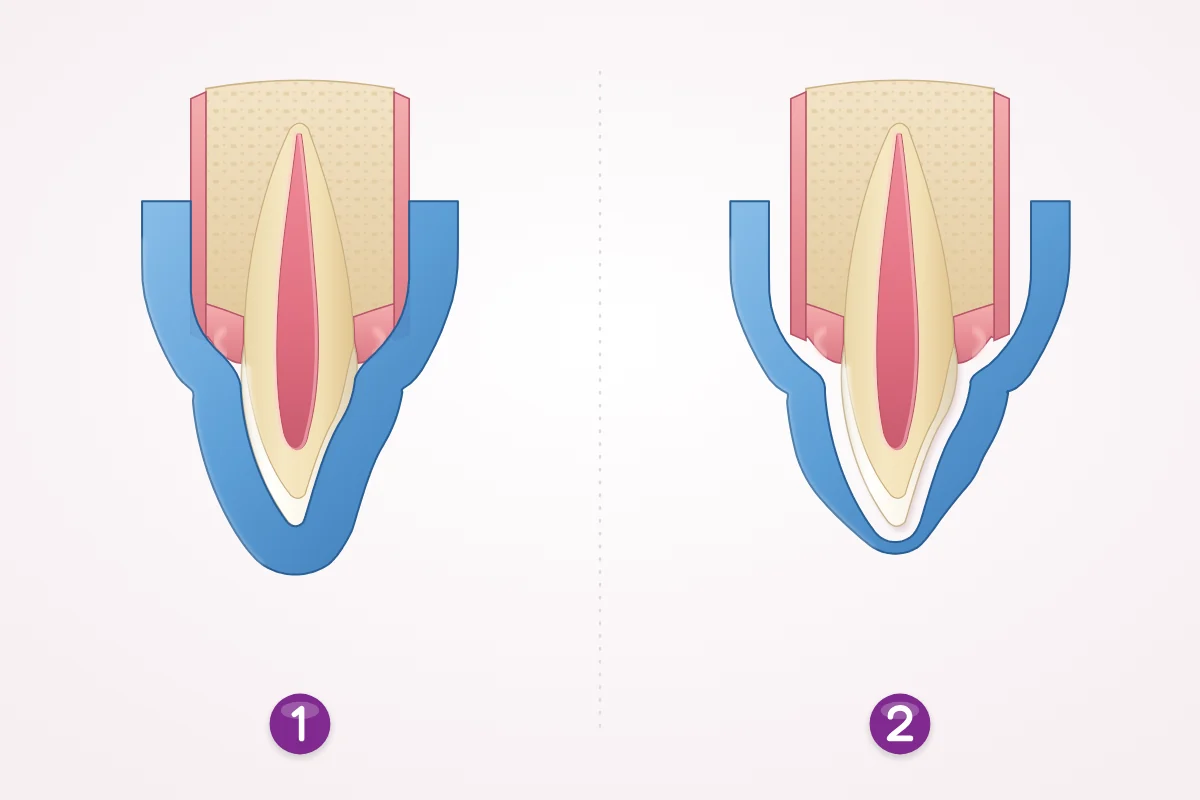
Why does fit matter so much? A guard can only absorb and spread a blow where it is in firm contact with the teeth. Gaps let the guard move on impact, and a thin spot over the edge of a front tooth leaves less material where a punch usually lands. A study from the Medical University of Warsaw that compared 168 mouthguards found that athletes rated custom-made guards much higher for comfort and ease of use than boil-and-bite guards. A guard that is comfortable is also a guard that gets worn for the whole session.
| Point to compare | Custom-made | Boil-and-bite |
|---|---|---|
| Fit and staying in place | Follows your teeth closely. Stays in when you open your mouth. | Depends on how well it was molded. May need biting to hold it. |
| Thickness over the front teeth | Planned and checked by the dental team. | Can become thin where you bite into it. |
| Breathing and talking | Usually easier, because it is less bulky. | Can feel bulky, especially if trimmed poorly. |
| Time to get one | A dental visit, then a few days to make. | The same day, from a sports shop. |
| Cost | Higher, as it is made for you. | Lower. |
Mouthguard, night guard, retainer: not the same thing
These appliances can look alike, but each one is made for a different job. A sports mouthguard is soft and thick enough to cushion blows during training. A night guard, or occlusal splint, is designed to protect the teeth from grinding and clenching during sleep, and is shaped to your bite. Clear aligners move teeth during orthodontic treatment, and a retainer holds teeth in place afterward. Each one should be used only for its own purpose. In particular, take out a removable retainer or aligner before contact training, and wear your sports guard instead.
Night guard or snoring appliance (MAD): what is the difference?
Who should wear a mouthguard
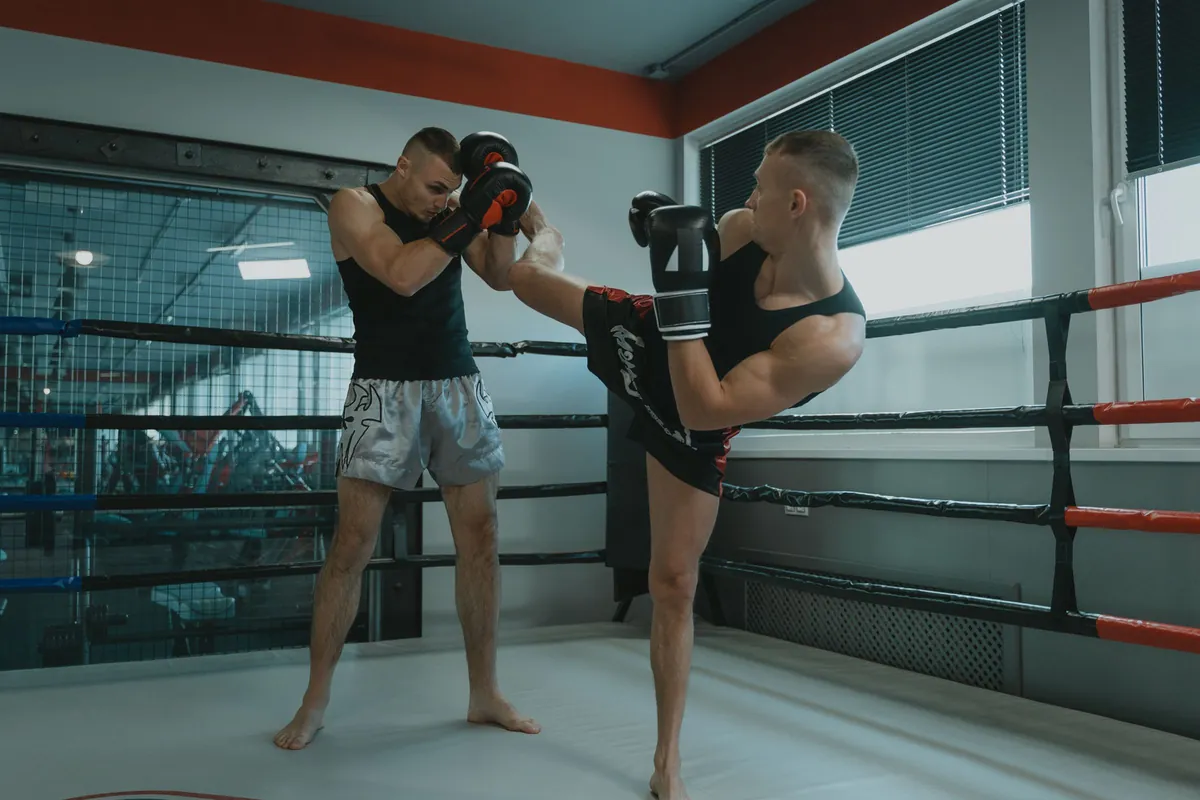
The ADA recommends mouthguards for a long list of sports. For contact and collision sports the list includes boxing, martial arts and combat sports, rugby, football, basketball, hockey and wrestling. It also covers activities where falls are common, such as skateboarding, cycling and gymnastics. In Muay Thai, a mouthguard matters most whenever there is contact with a partner: sparring, clinching and fights.
- Adults training Muay Thai, boxing, kickboxing, MMA or Brazilian jiu-jitsu, from beginners to fighters.
- Children and teenagers in contact sports. The American Academy of Pediatric Dentistry encourages properly fitted mouthguards in organized sports that carry a risk of mouth injury. Because children’s teeth and jaws are still changing, their guards need regular fit checks.
- People with braces or fixed bridgework. The ADA notes that a properly fitted mouthguard may be especially important for them, and a dentist can advise which design suits.
- People with crowns, veneers or implants on the front teeth, who want to protect the work they already have.
Training Muay Thai in Chiang Mai: planning your mouthguard
Many people come to Chiang Mai for a few weeks of Muay Thai training. If you would like a custom-made guard, the simplest plan is to see a dentist early in your stay. At our clinic, a sports mouthguard takes two visits. At the first, your teeth are recorded. The guard is then ready 3 working days later: the day of that first visit is not counted, and neither are Sundays or Thai public holidays, while Saturdays do count. For example, if your teeth are recorded on a Monday, the working days are Tuesday, Wednesday and Thursday, so your second visit to pick up the guard can be on Thursday. If they are recorded on a Friday, the days are Saturday, Monday and Tuesday, because Sunday is skipped. The clinic confirms your pick-up time when you book.
| When | What to do | Why it helps |
|---|---|---|
| Before you travel | Message the clinic on LINE or WhatsApp with your dates and the gym schedule. | Your first visit can be planned for the first days of your stay. |
| First days in Chiang Mai | First visit: the dentist checks your teeth and records their shape to make the guard. The 3 working days start the next day. | Any tooth problems are found before hard training starts. |
| While it is being made | Train technique, pads and bag work. Ask your trainer to keep you out of sparring, or use a temporary boil-and-bite guard if your gym allows. | You keep training while your teeth stay protected. |
| Pick-up | Try the guard in and let the dental team check the fit, then ask any questions about care. | Small adjustments are easiest before you start using it. |
| During camp and after | Wear it for every contact session, clean it after each use, and keep it in a vented case. | A clean, well-kept guard lasts longer and stays comfortable. |
If you notice a sore tooth, a chipped edge or gum swelling at the examination, it is a good time to sort it out before your camp gets busy. A tooth that is already weak is more likely to break under impact, and a dental visit in the first days keeps the rest of your training on track.
How a good mouthguard should feel
Whichever type you choose, these simple checks help you know whether your guard fits well. Try them standing in front of a mirror before your next session.
- It stays on your upper teeth when you open your mouth slightly, without biting down.
- It covers the front teeth and runs back over the side teeth, without pressing into the soft tissue at the back of the mouth.
- You can breathe through your mouth and say a few words clearly enough for your trainer to understand.
- It does not make you gag, and the edges feel smooth against your lips and cheeks.
- When you close gently, your back teeth meet the guard evenly on both sides.
If your guard fails one or more of these checks, it may be time for a new one or a custom-made guard. A guard that feels loose tends to spend more time in the hand than in the mouth.
Cleaning and looking after your mouthguard
A mouthguard spends a lot of time in a warm, damp gym bag, which suits bacteria well. A 2025 study of sports mouthguards used by young football players found that worn, scratched surfaces held far more bacteria than new ones. In the same study, brushing with a toothbrush and toothpaste removed about 98 percent of the bacteria, while rinsing with water alone removed about 60 to 70 percent. Brushing is the step that makes the difference.
- Rinse the guard before you put it in, and brush your teeth before training if you can.
- After training, brush the guard gently with a soft toothbrush and toothpaste, then rinse well with cool water.
- From time to time, wash it in cool, soapy water and rinse thoroughly.
- Let it dry, then keep it in a sturdy case with air vents. Wash the case regularly too.
- Keep it away from heat: hot water, direct sun and a closed car can change its shape.
- Bring it to your dental check-ups so the fit and condition can be checked.
When to replace a mouthguard
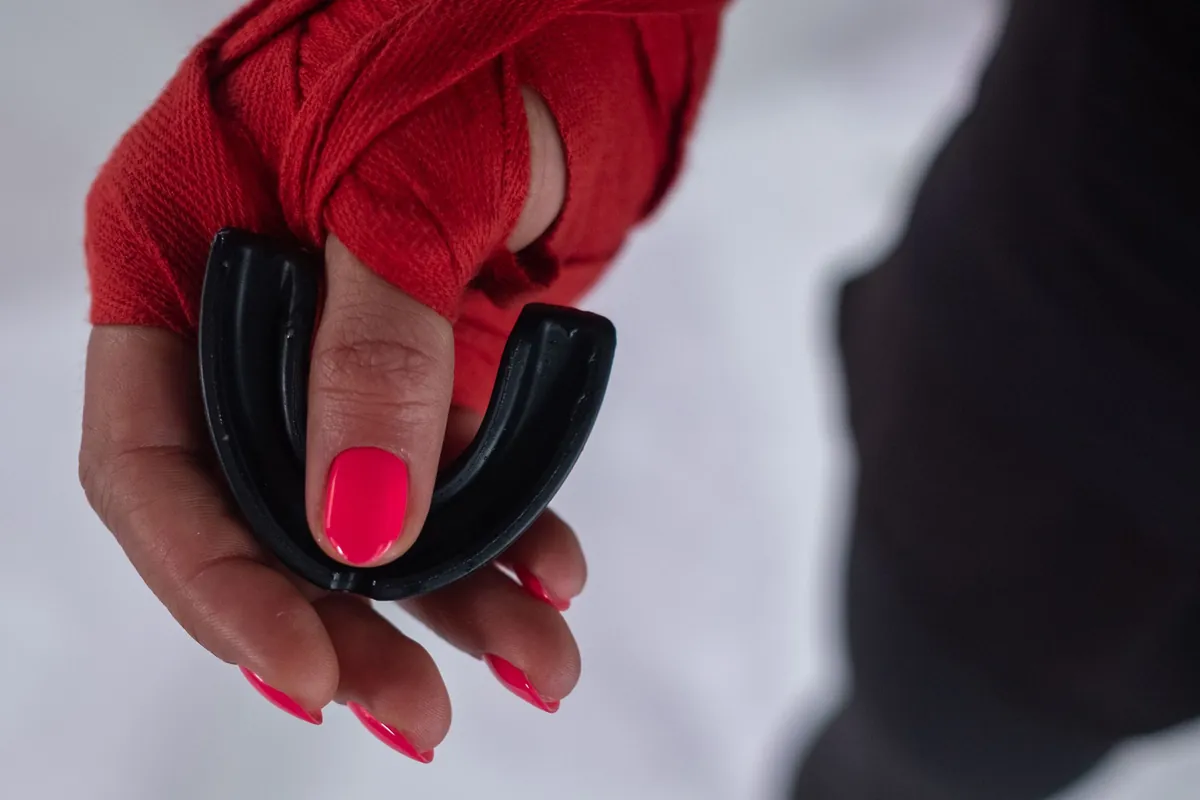
- It has holes, tears or deep bite marks, or the edges have become sharp.
- It feels loose or no longer snaps into place.
- You have had dental work that changed the shape of your teeth, such as a crown, a new filling on a front tooth or orthodontic treatment.
- For children and teenagers, when new teeth come in or the guard starts to feel tight.
Common myths about mouthguards
| Myth | Fact |
|---|---|
| A mouthguard is only for professional fighters. | Beginners land and receive more uncontrolled shots while they learn. A guard is useful from the first sparring session. |
| Any mouthguard protects you the same way. | All types are better than none, but a guard protects more where it fits closely and has enough thickness. |
| A mouthguard prevents concussion. | The evidence for concussion is mixed. The clear benefit is protecting the teeth, lips and gums. |
| You cannot wear a mouthguard with braces. | A properly fitted guard may be especially important with braces. Ask your dentist or orthodontist which design suits. |
| Rinsing a mouthguard with water is enough. | Brushing with a toothbrush and toothpaste removes much more bacteria than rinsing alone. |
| A night guard can double as a sports guard. | They are made for different jobs. A sports guard is designed to cushion blows during training. |
A chipped or knocked-out tooth during training: what to do
Even with good protection, accidents happen. Knowing a few first-aid steps makes a real difference, especially for a knocked-out adult tooth, where acting quickly gives a better chance of saving it. The steps below follow advice from the NHS and the guidelines of the International Association of Dental Traumatology.
If an adult tooth is knocked out
- Find the tooth and pick it up by the crown, the white part you normally see. Avoid touching the root.
- If it is dirty, rinse it briefly in milk, saline or saliva. Do not scrub it.
- Try to put it back into its socket, then bite gently on a clean cloth to hold it in place.
- If it will not go back easily, keep it in milk, or in saliva in a small container.
- See a dentist as soon as possible, even if you cannot find the tooth.
For a child, a knocked-out baby tooth is not put back, because this could damage the adult tooth growing underneath. Keep the child calm, press gently on the area with clean gauze, and see a dentist.
If a tooth is chipped or broken
Chipped and broken teeth can usually be treated. If you find the broken piece, keep it in milk or saliva and bring it with you, as a dentist may be able to bond it back on. Depending on the break, treatment may be a filling, a crown or, when the nerve inside is exposed, root canal treatment. A tooth that has been knocked can also change over the following weeks or months, so a check-up after a hard hit is worthwhile even if it looks fine.
Emergency dentist in Chiang Mai
After a knock to the mouth: when to see a dentist
- A tooth has been knocked out, pushed in or out, or moved out of line: see a dentist straight away.
- A tooth is chipped, cracked or broken, or feels loose.
- Your bite feels different, or it hurts to close your teeth together.
- A tooth becomes darker in the weeks after a knock, or the gum near it swells.
- A cut on the lip or inside the cheek is deep or keeps bleeding after pressing for 10 minutes.
- Jaw pain, difficulty opening or closing the mouth, or numbness of the lip or chin.
Signs of a head injury, such as headache, dizziness, confusion, nausea or blurred vision, need medical care first. Stop training and see a doctor, then arrange the dental check once you are well.
A dead or darkened tooth: how it is treated
Getting a custom mouthguard at the clinic
- Contact us on LINE or WhatsApp, or call the clinic. Tell us your sport, how often you train and, if you are visiting, your travel dates.
- Examination: the dentist checks your teeth and gums, looks for anything that needs care before contact training, and talks with you about the guard.
- First visit: a record of your teeth is taken so the guard can be made to fit you.
- Your sports mouthguard is ready 3 working days after the first visit, not counting that day, Sundays or public holidays.
- Second visit: you pick up and try in the guard, the fit is checked, and you get tips on cleaning and storage.
We make sports mouthguards for adults and for children who play contact sports. The clinic is open every day from 09:00 to 20:00, and our coordinators reply in English or Thai. Walk-ins are welcome, though our dentists see patients with appointments first, so you may need to wait a while. Booking ahead gives you a set time.
Read about bite appliances and sports mouthguards
If this sounds like you: what to do
These are example situations, not patient stories, to help you find the next step that fits.
You are here for a two-week Muay Thai camp
Book an examination for your first or second day. While the guard is being made, focus on technique, pads and bag work, and leave sparring until it is ready. You then have most of the camp to train with a guard that fits.
Your boil-and-bite guard keeps falling out
Try the fit checks in this article. If it still slips, a guard that does not stay in will not protect well and is tiring to hold. A custom-made guard is worth considering, especially if you spar regularly.
Your 10-year-old has started Muay Thai classes
Children have a mix of baby and adult teeth that keeps changing. A dentist can check the teeth and advise on a guard, and the fit should be checked as new teeth come in. Teach your child the first-aid steps for a knocked-out tooth, and keep the clinic number in the training bag.
You wear braces and want to start sparring
Talk to your orthodontist or dentist before sparring. Brackets can cut the lips and cheeks on impact, and a guard needs to allow for the teeth moving during treatment. Your dentist can advise which design suits you.
You have a crown or implant on a front tooth
A well-fitting guard helps protect the work you have invested in. Mention the crown or implant at your examination so the guard can be made to fit around it comfortably.
Your fight is coming up soon
Get your guard early enough to train in it for several sessions before fight day. A guard you are used to feels natural under pressure, and any small adjustment can be made before the bout.
Frequently asked questions about mouthguards
How long does it take to make a custom mouthguard?
At our clinic it takes two visits. Your teeth are recorded at the first, and the guard is ready 3 working days later, counted from the next day and not counting Sundays or public holidays. You then come back to pick it up and try it in.
Do I need a mouthguard for Muay Thai pad work?
For pad and bag work alone, many gyms leave it to you. Wear one whenever there is contact with a partner, such as sparring, clinching and fights. Your trainer will tell you the rules of your gym.
Upper or lower teeth?
Most sports mouthguards are worn on the upper teeth, because the upper front teeth are the most exposed. In some situations, for example with certain braces, a dentist may suggest a different design.
Can I breathe and drink water with a mouthguard?
A well-fitting guard lets you breathe through your mouth and take short sips of water. Bulky, loose guards make this harder, which is one reason people take them out during training.
Can children get a custom mouthguard?
Yes. We make mouthguards for children who play contact sports. Because children’s teeth keep changing, the guard should be checked regularly and remade when it no longer fits.
How long does a mouthguard last?
It depends on how often you train and how you look after it. Replace it when it is torn, worn thin, loose or no longer fits, and bring it to your dental check-ups so it can be checked.
Is a night guard the same as a sports mouthguard?
Each one has its own job. A night guard protects the teeth from grinding during sleep and is shaped to your bite, while a sports guard is designed to cushion blows. Use each one for its own purpose.
Can I keep my boil-and-bite guard in hot water to reshape it?
Follow the maker’s directions. Repeated heating can thin the material and change its shape. If the guard no longer fits well after molding, a new or custom-made guard is a better choice.
What should I do if my tooth is knocked out at the gym?
Hold the tooth by the crown, rinse it briefly in milk or saline if it is dirty, and try to put it back in. If that is not possible, keep it in milk and see a dentist as soon as possible.
Summary
A mouthguard is simple protection for the teeth, lips and gums in Muay Thai and other contact sports, and a close fit is what makes it work.
- Any mouthguard is better than none. A custom-made guard fits closely and stays in without biting.
- The clear benefit is protecting the teeth and mouth. The evidence for concussion is mixed.
- At our clinic it takes two visits, and the guard is ready 3 working days after the first, not counting Sundays and public holidays. Book early in your camp.
- Brush the guard with toothpaste after training, dry it and keep it in a vented case away from heat.
- For a knocked-out adult tooth, hold it by the crown, put it back or keep it in milk, and see a dentist quickly.
References
American Dental Association (ADA): Athletic mouth protectors (mouthguards)
NHS (UK): Chipped, broken or cracked tooth
Gartland S et al. Injury and injury rates in Muay Thai kick boxing. Br J Sports Med, 2001
Faculty of Dentistry, Naresuan University: Dentistry for athletes (Fun Talk radio script, Thai)