

A sip of iced water, a spoon of ice cream, or a breath of cold air, and a sharp twinge shoots through a tooth. It is over in a moment, yet it is enough to make you chew on one side, let cold drinks warm up first, or worry that a tooth is starting to decay.
The reassuring part first: in most people, a short, sharp twinge that fades within seconds comes from dentin, the inner layer of the tooth, being exposed at the gum line. It is very common, it is not a sign that the nerve is dying, and it usually eases with the right toothpaste, a gentler brushing habit and less acid. A smaller group of cases comes from decay, a cracked tooth or an inflamed nerve, and these need treatment at the clinic.
This article helps you work out which group you are in and what to do next. You will find a one-minute self-check, why teeth become sensitive, a table of causes, a guide to telling ordinary sensitivity from decay or a crack, a 4 to 8 week home plan with exact steps for using a sensitivity toothpaste, common myths, the signs that mean you should book a check, and what the dentist can do at the clinic.
In short: a brief, sharp twinge to cold on several teeth near the gum line is usually dentin sensitivity. Use a sensitivity toothpaste twice a day, brush gently with a soft brush, and cut back on acidic drinks. If one tooth hurts for longer than a few seconds, hurts when you bite, or has not improved after about 4 to 8 weeks, book a check.
Is this kind of sensitivity normal? A one-minute self-check
Usually ordinary sensitivity: start the home plan
- The twinge is sharp and short and fades within a few seconds once the cold is gone.
- It happens on several teeth, often near the gum line, and usually with cold drinks, cold air or brushing.
- It started a few days after whitening, a cleaning or a new filling, and is getting less each day.
- You know you brush hard, use a hard brush, or drink sour or fizzy drinks often.
Book a dental check in the next few weeks
- The sensitivity is in one tooth only and keeps coming back in the same spot.
- Sweet food makes one tooth ache, or you can see a dark spot, a hole or a rough edge.
- Your gums look lower than before and the teeth look longer, with a yellowish root showing.
- Your teeth look flat or chipped, or you wake up with a tired jaw, which can point to grinding.
- You have used a sensitivity toothpaste properly for about 4 to 8 weeks with little change.
Signs to have it checked soon
- Pain lingers for more than a few seconds after hot or cold, or throbs on its own.
- A tooth hurts sharply when you bite down or when you let go of the bite.
- Pain wakes you at night, or hot drinks hurt more than cold ones.
- There is swelling of the gum or face, a pimple on the gum, or a fever.
The last group is not ordinary sensitivity. These patterns point to the nerve or the structure of the tooth, and they are simpler to treat when they are found early. More detail is in the section on how to tell the difference below.
Why teeth become sensitive
A tooth has layers. The crown is covered by enamel, a very hard and protective layer, and the root below the gum is covered by a thin layer called cementum. Under both lies dentin, which is softer and is full of microscopic tubes that run toward the nerve in the center of the tooth. Each tube holds a little fluid.
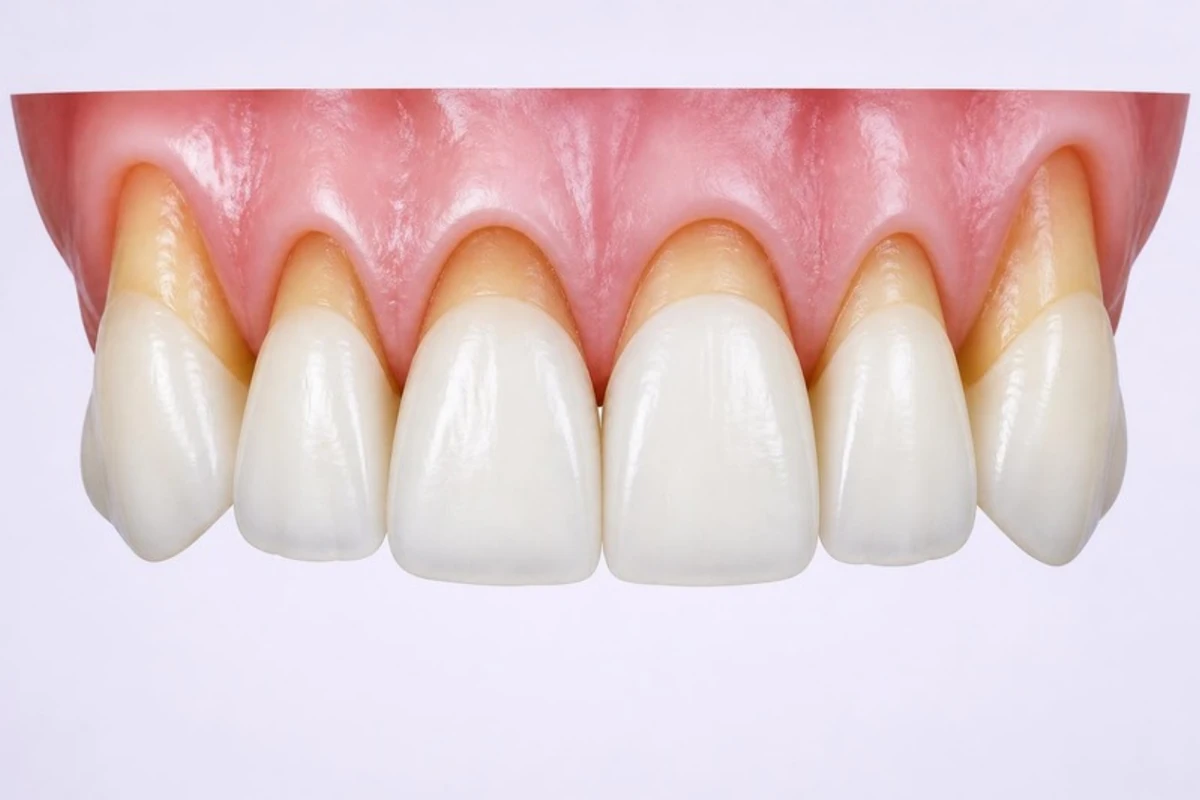
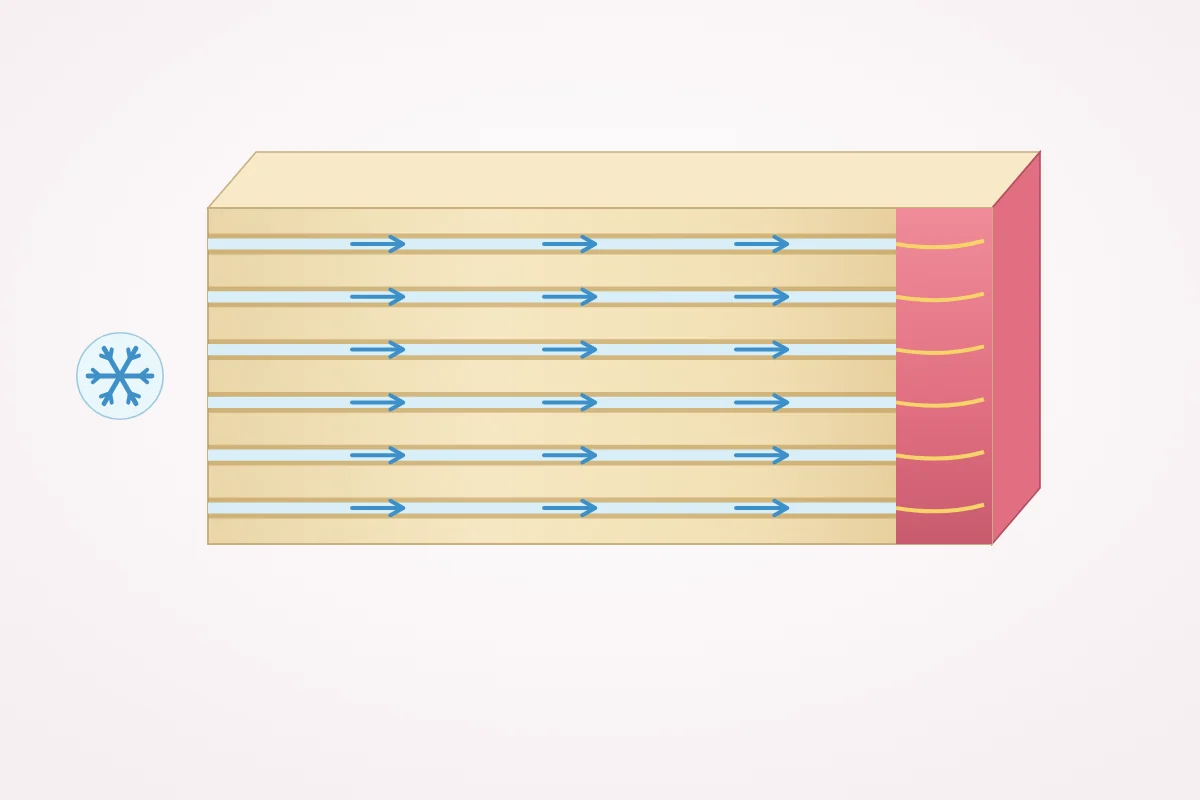
When enamel wears thin or the gum pulls back and the root surface is exposed, the open ends of these tubes meet the mouth. Cold, air, sweet or sour food and the touch of a brush make the fluid inside move quickly, and that movement triggers the nerve endings near the pulp. This is called the hydrodynamic theory, and it is the most widely accepted explanation for why the pain is sharp, short and tied to a trigger.
That is also why sensitivity toothpastes work in two ways. Potassium salts calm the nerve endings, so the signal is weaker. Other ingredients, such as stannous fluoride or arginine, plug the open tubes so the fluid moves less. A review of trials found that twice-daily use of pastes with stannous, potassium or arginine reduced sensitivity, which is why the home plan below starts there.
Sensitivity is common. Surveys report very different numbers depending on how they were done, and a recent analysis of 39 studies put the average at around one in three people. It is seen most often in working-age adults and most often on the outer side of the premolars and canines, right at the gum line, where the enamel is thin and the gum tends to recede first.
Causes of sensitive teeth and how to tell them apart
Most sensitivity comes from one of the causes in the first table, often two or three together, for example a hard brush plus receding gums plus a daily glass of lemon water. The second table lists problems that can feel like sensitivity but need treatment, not just a toothpaste.
Causes that expose dentin
| Cause | How to tell | What to do |
|---|---|---|
| Receding gums that leave the root exposed | Teeth look longer, a yellowish band shows near the gum, cold stings at the gum line | Gentle brushing and a sensitivity toothpaste; ask about gum treatment or a gum graft if it is getting worse |
| Brushing too hard or with a hard brush | Notches or worn grooves at the neck of the teeth, splayed bristles within weeks | Switch to a soft brush, hold it lightly and use short strokes |
| Acid wear from food, drinks or stomach acid | Teeth look thinner, glassy or more yellow; sour drinks, sports drinks, fruit juice or reflux are part of your day | Keep acidic food and drinks to mealtimes, rinse with water, and wait about an hour before brushing |
| Grinding or clenching | Flat, shiny or chipped biting edges, a tired jaw in the morning, sensitivity where the enamel has worn | Ask about a night guard to protect the teeth |
| Gum disease and plaque at the gum line | Bleeding when brushing, puffy gums, plaque left on the root surface | A cleaning and a gum check; keeping the root surface clean also helps the toothpaste work |
Problems that can feel like sensitivity
| Cause | How to tell | What to do |
|---|---|---|
| Tooth decay | One tooth, often with sweet food, sometimes a dark spot, a hole or food packing | A check-up; small decay is treated with a filling |
| A cracked tooth | Sharp pain when biting, or when you release the bite; pain comes and goes and is hard to pin down | A visit soon; avoid chewing hard food on that side until then |
| A worn, leaking or broken filling | Sensitivity around an old filling, a rough edge or a gap your tongue can feel | A check; the filling may need repair or replacing |
| An inflamed nerve (pulpitis) | Pain to hot or cold that lingers for more than a few seconds, throbbing, pain at night | A visit soon; the tooth may need root canal treatment |
| Short-term sensitivity after treatment | Starts after whitening, a cleaning or a new filling and gets less day by day | Use a sensitivity toothpaste; tell your dentist if it is not settling |
Ordinary sensitivity or something more? Read the pattern
You do not need to diagnose yourself, but the pattern of the pain tells you a lot about how soon to come in. The two questions that matter most are how long the pain lasts after the trigger, and whether it is in one tooth or several.
| What you notice | What it often means | Next step |
|---|---|---|
| A short, sharp twinge to cold or air on several teeth, gone within seconds | Dentin sensitivity | Home plan for 4 to 8 weeks |
| A twinge when the brush touches the gum line | Exposed root surface, often with receding gums | Soft brush, light pressure, sensitivity toothpaste |
| Pain with sweet food in one tooth | Decay or a leaking filling | Book a check-up |
| Pain when biting or releasing the bite | A crack, a high filling, or inflammation at the root tip | Book a visit soon |
| Pain to hot or cold that lingers, throbs or wakes you | An inflamed nerve | Book a visit soon |
| Sensitivity that started after whitening and is easing | Short-term sensitivity from the whitening gel | Sensitivity toothpaste; tell your dentist |
A note on teeth that suddenly stop hurting. If a tooth that ached for days goes quiet, it is not always good news: the nerve inside may have stopped responding. A tooth like that can still be tender when you tap or bite on it, and it is worth a check.
Pain or sensitivity after a filling: what causes it
Worn tooth necks: why they happen and what helps
The neck of a tooth is the narrow part near the gum line. When it wears away, a small notch or groove forms there and the softer layer underneath, called dentine, is left exposed. That is why worn necks often feel sharp with cold drinks or when you brush.
Common causes are brushing too hard or with a hard brush, acid from food, drinks or reflux, gum recession that exposes the root, and grinding or clenching. Often more than one cause works together.
Small worn areas that cause no discomfort can be looked after by changing the cause: a soft brush held lightly, a sensitivity toothpaste and fewer acidic drinks between meals. If the notch is deeper or still sensitive, the dentist can cover it with a tooth-colored filling, apply a desensitizing agent, or suggest a night guard when grinding is part of the cause.
A 4 to 8 week home plan for sensitive teeth
If the self-check puts you in the first group, this plan is your first step. Sensitivity toothpastes take time: dental guidance suggests checking the result after about 4 to 6 weeks, and up to 8 weeks for potassium-based pastes. Changing products every few days is one of the main reasons people think nothing works.
What you need
- A toothpaste made for sensitive teeth that contains fluoride. Read the label for potassium, stannous fluoride or arginine.
- A soft or extra-soft toothbrush. An electric brush with a pressure sensor can help if you tend to press hard.
- Floss or interdental brushes, and a water bottle to rinse after acidic drinks.
- A short note on your phone: rate the twinge from 0 to 10 once a week, so you can see the change.
How to use a sensitivity toothpaste, step by step
- Brush twice a day with the sensitivity toothpaste, morning and before bed, for about 2 minutes each time.
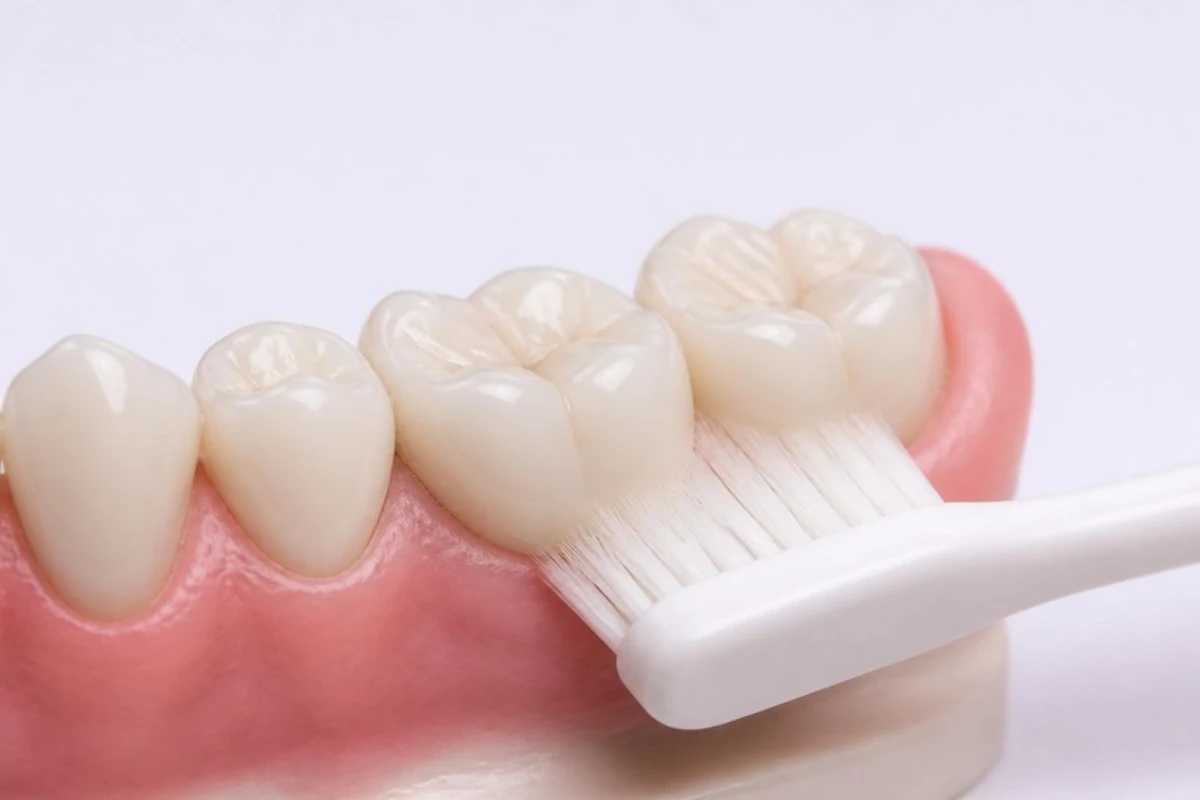
- Use a soft brush with light pressure and short strokes along the gum line. Scrubbing hard can wear the neck of the teeth further.
- At night, after brushing, smear a small amount of the toothpaste onto the sensitive spots with a clean finger and leave it there.
- Spit out the extra toothpaste, but go easy on rinsing, so the active ingredient stays on the teeth longer.
- Stay with the same toothpaste for at least 4 to 8 weeks before you decide whether it works.
- Keep using it once the twinge has eased. Sensitivity often returns when people stop.
Week by week
| When | Your steps | Change you may feel |
|---|---|---|
| Days 1 to 7 | Start the toothpaste twice a day, switch to a soft brush, write down your score, list the acidic drinks you have each day | Little change yet is normal |
| Weeks 2 to 4 | Add the finger dab at night, keep acidic drinks to mealtimes, wait about an hour before brushing after them | Many people notice the twinge is weaker or less frequent |
| Weeks 4 to 8 | Keep going with the same product, check your brushing pressure, notice any tooth that stands out | A clear drop in your score means the plan is working |
| After 8 weeks | Keep the routine. If the score has hardly moved, or one tooth stands out, book a check | Your dentist can add in-clinic treatment or look for another cause |
Acid: the part people miss
Acid softens the surface of the teeth for a while, and brushing straight away can remove a little of that softened layer. Over months, that adds up. You do not have to give up fruit or coffee, only change the timing.
- Have sour or fizzy drinks, fruit juice, sports drinks and lemon water with meals rather than sipping them through the day.
- Drink them rather than holding them in your mouth, and a straw helps keep them off the teeth.
- Rinse with plain water afterward, and finish a meal with milk or cheese if you like them.
- Wait about an hour after acidic food or drink before you brush.
- If you have reflux or vomit often, mention it to your doctor and your dentist, because stomach acid wears teeth too.
Common myths about sensitive teeth
| Myth | Fact |
|---|---|
| Sensitive teeth mean the nerve is dying. | Ordinary sensitivity is a healthy nerve reacting to exposed dentin. Lingering or throbbing pain is a different pattern and needs a check. |
| If a sensitivity toothpaste has not worked in a week, it never will. | These pastes build up their effect over weeks. Give one product 4 to 8 weeks before judging it. |
| Brushing harder cleans better and protects sensitive teeth. | Hard scrubbing wears the neck of the teeth and pushes the gums back, which exposes more dentin. Gentle and thorough works better. |
| Sensitive teeth can only get worse with age. | Sensitivity often improves when the cause is managed, for example by changing brushing habits, reducing acid or protecting the teeth from grinding. |
| Whitening always damages teeth because it makes them sensitive. | Sensitivity after whitening is common and usually short-term. Tell your dentist beforehand if your teeth are already sensitive, so the plan can be adjusted. |
| Sensitivity is just part of life, so there is no point seeing a dentist. | Ordinary sensitivity is common, but decay and cracks can feel similar. A check finds the cause, and in-clinic treatments can help when home care is not enough. |
When sensitivity needs a dentist
Most sensitivity can be managed at home first. These signs are a reason to book a visit rather than wait for the toothpaste to work. They are worth acting on calmly, because a problem found early usually needs a smaller treatment.
- Pain that lasts for more than a few seconds after hot or cold, throbs, or wakes you at night.
- Pain on biting, or when you release the bite.
- Sensitivity in one tooth that keeps getting stronger.
- A hole, a dark spot, a broken filling or a sharp edge you can feel with your tongue.
- Swelling of the gum or face, a pimple on the gum, a bad taste, or a fever.
- No real improvement after about 8 weeks of the home plan.
If your face is swelling, or the swelling is spreading toward the eye or neck, or it is hard to swallow or breathe, go to a hospital emergency department straight away.
Emergency dentist in Chiang Mai
What the dentist does for sensitive teeth, step by step
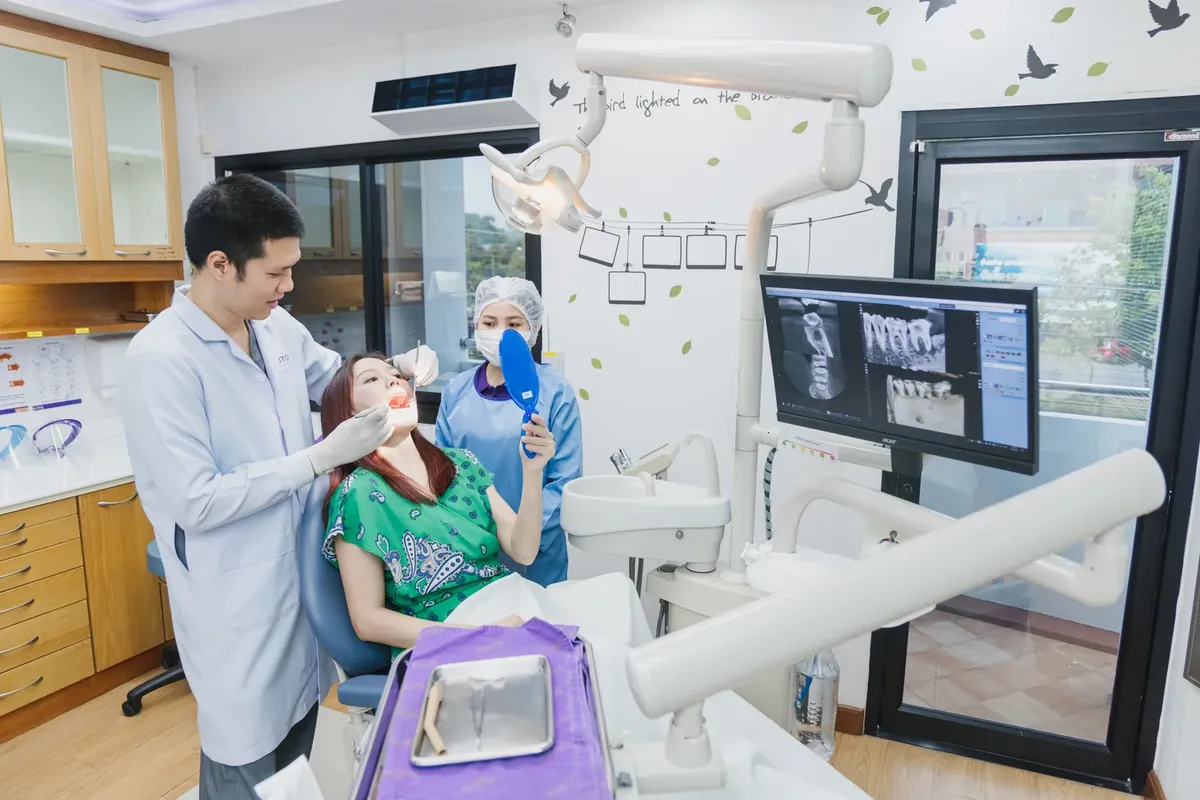
Treatment starts with finding the cause, because the right answer for a receding gum is different from the right answer for a cracked tooth or a worn filling.
- Questions: which teeth, what sets them off, how long the twinge lasts, your brushing habits, your drinks, whether you grind, and any recent whitening or dental work.
- Examination: the dentist checks each sensitive tooth for decay, cracks, old fillings and wear, and looks at the gums for recession and inflammation.
- X-rays when needed, to look for decay between the teeth or under a filling.
- Explanation and plan: the dentist explains the cause and the options, with the fee, before starting.
- Treatment that matches the cause, from the options in the table below.
| Treatment | Suits | How it helps |
|---|---|---|
| Desensitizing agent applied at the clinic | Sensitive spots that need more help than toothpaste alone | Seals or calms the exposed dentin on the spots that react |
| Fluoride varnish or gel | Exposed roots from receding gums, and teeth at risk of decay | Strengthens the surface; applied in a few minutes, usually at a check-up |
| Tooth-colored filling | Decay, a broken or leaking filling | Removes the cause and seals the tooth |
| Gum graft | Receding gum that needs rebuilding | Thickens thin gum and, in some cases, covers an exposed root |
| A night guard | Grinding or clenching that is wearing the teeth | Protects the teeth from grinding forces at night |
| Root canal treatment | Decay or infection that has reached the nerve | Treats the inflamed nerve so the tooth can be kept and restored |
If your teeth are sensitive and you are planning whitening, tell your dentist first. Sensitivity, decay and gum problems are treated or planned for before whitening, and if sensitivity appears afterward, your dentist can prescribe a relief gel.
Sensitivity during a cleaning is common too. Tell your dentist if your teeth or gums are sensitive: the area can be numbed, and Airflow uses a fine spray instead of scraping the tooth surface.
Teeth grinding and night guards
Fees for check-ups, fillings and other treatments are on our prices page. Your dentist explains the treatment and its cost before anything starts.
See filling, inlay and crown prices
If this sounds like you: what to do
These are example situations, not patient stories, to help you find the next step that fits.
- Cold drinks make several lower teeth twinge near the gums, and you use a medium brush: switch to a soft brush and a sensitivity toothpaste twice a day, and score the twinge each week for 8 weeks.
- You start each morning with warm lemon water and brush right after: keep the lemon water with breakfast, rinse with plain water, and brush before it or about an hour after.
- Only one upper back tooth hurts when you bite on something hard, and the pain is sharp: book a visit soon and chew on the other side until then. This pattern can point to a crack.
- You had whitening last week and your teeth twinge but less each day: use a sensitivity toothpaste and tell your dentist. If it is not settling, a relief gel can be prescribed.
- You wake up with a tired jaw and your front teeth look shorter: ask about grinding and a night guard. Protecting the teeth also helps sensitivity on worn spots.
- A tooth aches for a minute after hot coffee and kept you awake last night: this is not ordinary sensitivity. Book a visit soon so the nerve can be checked.
- Your teeth look longer and you can see yellow roots near the gums: have a gum check to find out why the gum is receding and whether a graft would help.
- You have used the same sensitivity toothpaste properly for 2 months and it is only a little better: book a check. An in-clinic desensitizer or fluoride varnish can be added, and the dentist can look for another cause.
Frequently asked questions about sensitive teeth
Will sensitive teeth go away on their own?
Sometimes. Sensitivity after whitening, a cleaning or a new filling often settles by itself over days to weeks. Sensitivity from exposed dentin usually needs a change, such as a sensitivity toothpaste, gentler brushing and less acid, and it tends to come back if the cause stays. Pain that lingers or keeps getting stronger does not go away on its own and needs a check.
How long does a sensitivity toothpaste take to work?
Some people feel a difference within a couple of weeks, but the full effect builds over weeks. Dental guidance suggests judging the result after about 4 to 6 weeks, and up to 8 weeks for potassium-based pastes. Use it twice a day, dab a little on the sensitive spots at night, and keep using it after the twinge eases.
Why is only one tooth sensitive?
Sensitivity in one tooth points more toward something local: decay, a crack, a worn or leaking filling, a single area of receding gum, or a tooth that takes extra force when you bite or grind. It is worth a check, especially if the pain lingers, is set off by sweet food, or hurts when you bite.
My teeth are sensitive after whitening. What should I do?
This is common and usually short-term. Use a sensitivity toothpaste, avoid very cold or very hot food and drinks for a few days, and tell your dentist, who can prescribe a relief gel. If your teeth are already sensitive, mention it before whitening, so extra precautions can be taken or home whitening can be considered instead.
Is sensitivity after a teeth cleaning normal?
Yes, it is common for a short time, especially where tartar was covering a root surface or the gums were inflamed. It usually eases within days to a couple of weeks as the gums settle. A sensitivity toothpaste helps in the meantime. If it keeps getting stronger or is limited to one tooth, let your dentist know.
Why do my teeth hurt with sweet food?
Sugar can trigger exposed dentin in the same way cold does, so it can be ordinary sensitivity. But a sharp pain with sweet food in one tooth is also a classic sign of decay, so it is worth a check rather than only changing your toothpaste.
Do sensitive teeth need root canal treatment?
Usually not. Ordinary sensitivity is managed with toothpaste, in-clinic desensitizers, fluoride, fillings or gum treatment. Root canal treatment is for a tooth where decay or infection has reached the nerve, which shows as lingering, throbbing or night pain rather than a brief twinge.
Can I still drink cold drinks or eat fruit?
Yes. Cold drinks only trigger the twinge, they do not damage the teeth, so it is about comfort. With acidic fruit and drinks, the timing matters more than avoiding them: have them with meals, rinse with water afterward, and wait about an hour before brushing.
Summary
Sensitive teeth usually mean exposed dentin near the gum line. It is common, it is not a dying nerve, and it often improves with steady home care.
- Use a sensitivity toothpaste twice a day, dab it on the sensitive spots at night, and give one product 4 to 8 weeks.
- Brush gently with a soft brush, and keep acidic drinks to mealtimes, waiting about an hour before brushing.
- One tooth, sweet pain, or pain on biting points to decay or a crack, and needs a check.
- Pain that lingers, throbs or wakes you at night is a reason to book a visit soon.
- At the clinic, treatment follows the cause: an applied desensitizer, fluoride, a filling, a gum graft or a night guard.
References
American Dental Association (MouthHealthy): Sensitive Teeth
Cleveland Clinic: Sensitive Teeth
American Association of Endodontists: Cracked Teeth
Oral Health Foundation (UK): Dental erosion
Scottish Dental Clinical Effectiveness Programme (SDCEP): Dentine sensitivity
Klaisiri A et al. Dentin desensitizing agents (review, in Thai). SWU Dental Journal, 2020
Walters PA. Dentinal hypersensitivity: a review. J Contemp Dent Pract, 2005