
When the position of the jaws causes the bite problem, braces alone may not be enough. Corrective jaw surgery, also called orthognathic surgery, moves the jaws, and orthodontic treatment before and after surgery lines up the teeth so they meet properly.

When jaw surgery is considered
- Your lower jaw sits well forward or well back compared with your upper jaw.
- Your front teeth do not meet when you bite, or your face looks uneven.
- An orthodontist has told you that braces alone cannot fully correct your bite.
Jaw surgery is a major treatment. Your orthodontist first explains whether braces alone, or braces with surgery, suit your case.
The stages, step by step
- Records and planning: panoramic and cephalometric X-rays and a study model or scan. If surgery is chosen, a 3D CT scan is used to plan the case with the maxillofacial surgery consultant.
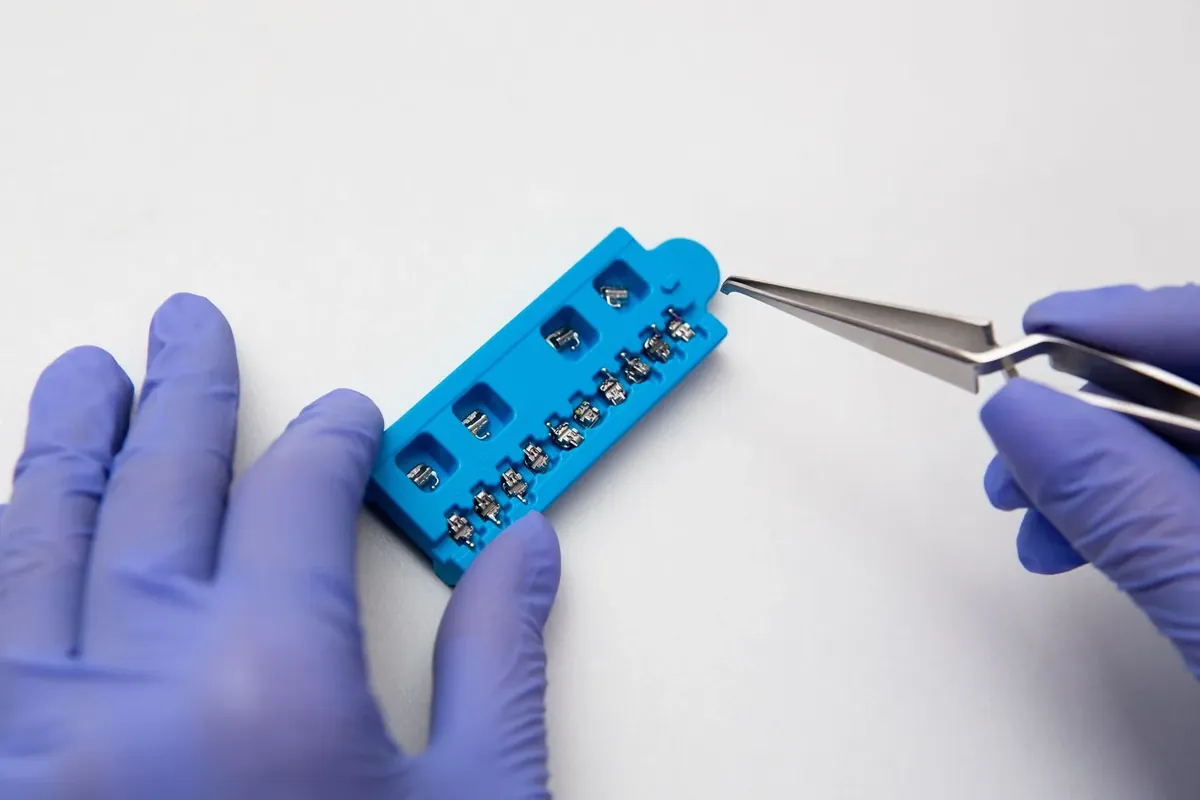
- Braces before surgery: braces line up the teeth in each jaw so they will fit together once the jaws are moved.
- Surgery in hospital: the surgery is done in a hospital under general anesthesia, after a health check.
- Braces after surgery and retainers: after recovery, braces or aligners finish the bite at the clinic, and retainers keep the result.
How long does it take?
Treatment usually takes longer than braces alone, because there is orthodontic treatment before and after surgery, plus recovery. How long depends on your bite, and your orthodontist gives you an estimate once the plan is agreed.
Where the surgery takes place
The surgery itself takes place in a hospital. The clinic provides the assessment, the orthodontic treatment before and after surgery, and the coordination with the surgical team. Like any major operation under general anesthesia, it carries risks such as swelling, bleeding, infection and reactions to anesthesia, which the surgeon explains before you decide.
Who can have jaw surgery through the clinic
Jaw surgery is offered only as part of orthodontic treatment with us, because the teeth need to be aligned before and after the jaws are moved.
Cost has two parts
Treatment has two parts: the orthodontic fee, paid to the clinic, and the surgical and hospital fees, paid to the hospital. Your orthodontist explains both parts once the plan is agreed.