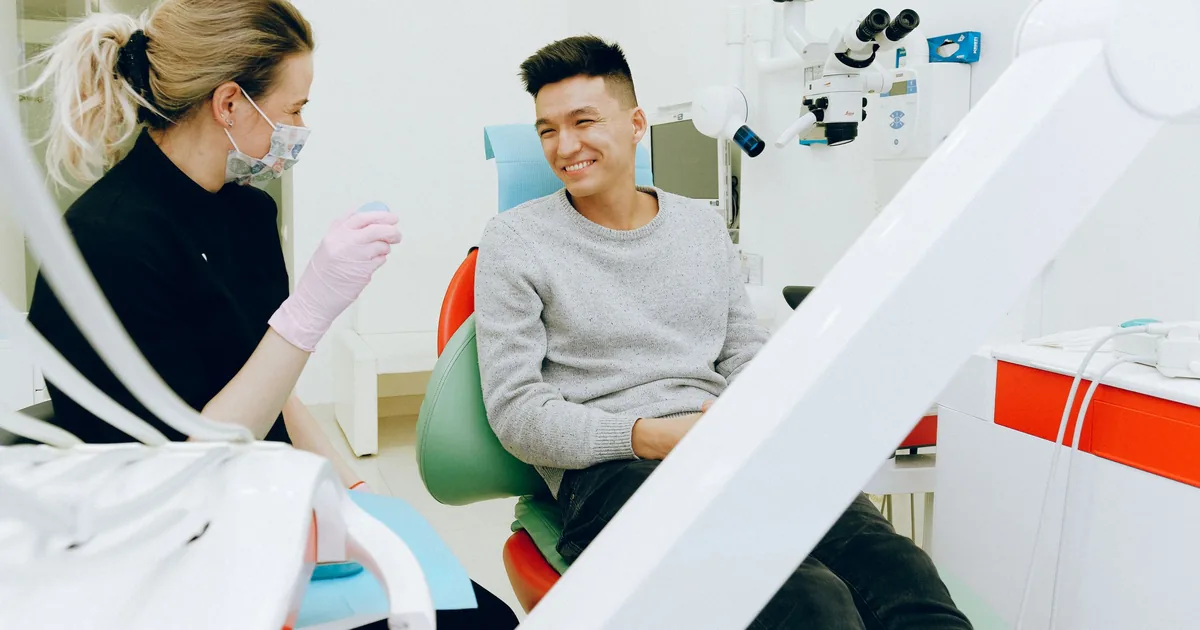
Many people put off implant treatment for one reason: the word surgery. You picture drilling into the jaw, imagine a swollen face for a week, and wonder how many days you will have to take off work. Some people have heard from a friend that it was easy; others have heard the opposite, and it is hard to know which story to believe.
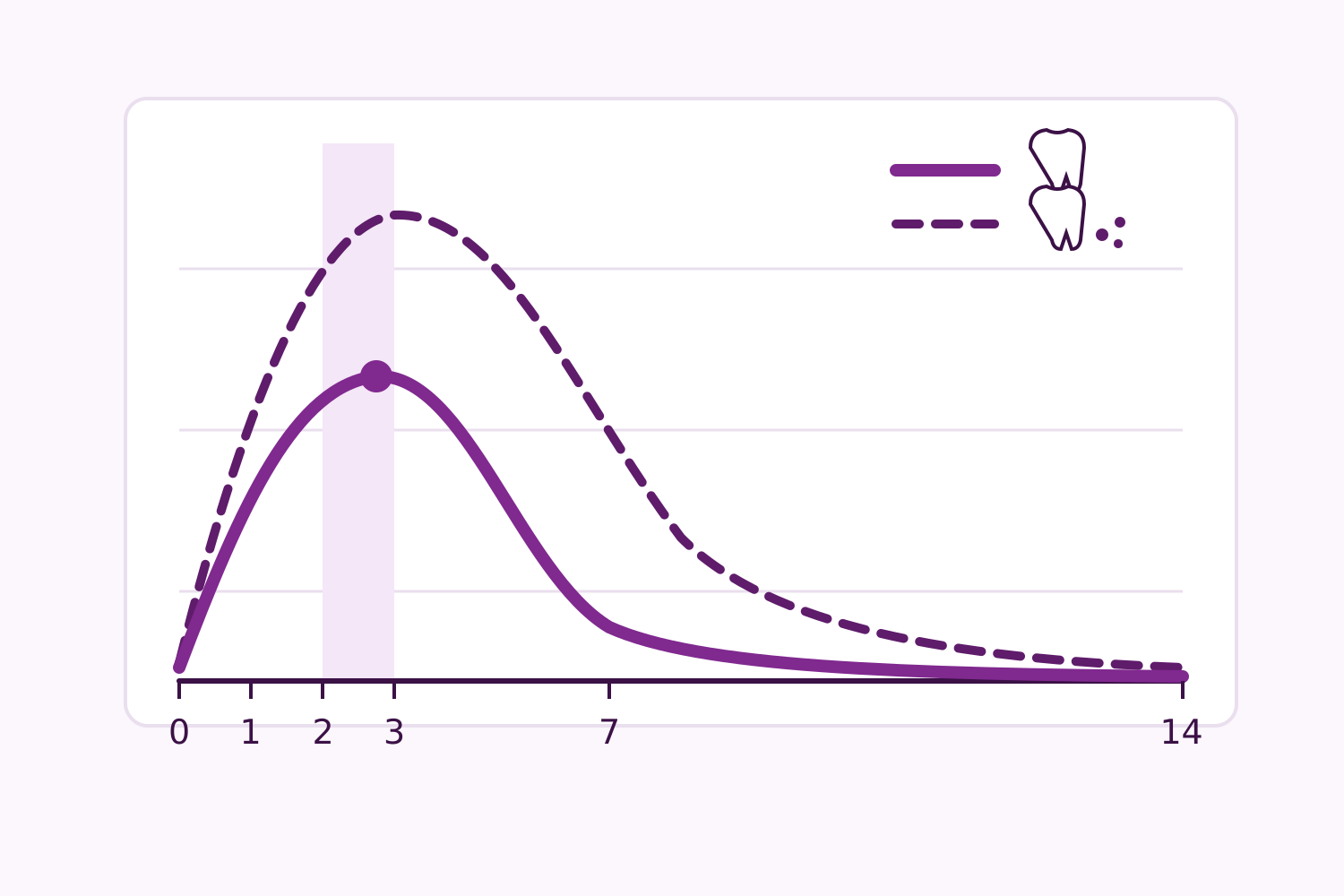
The reassuring part first: implant surgery is done under local anesthesia, so during the procedure most people feel pressure and vibration rather than sharp pain. Studies that asked patients to rate their symptoms every day found that a straightforward single implant feels about the same as a simple tooth extraction afterwards, with soreness and swelling at their peak in the first 2 to 3 days and settling over about a week to two weeks. Surgery that adds a bone graft or a sinus lift usually means more swelling and bruising.
This article walks you through it in order. You will find a quick self-check before surgery, why it feels the way it does, a table of what you are likely to feel at each stage, how different types of implant surgery compare, the surgery day step by step, a day-by-day recovery plan, how much time off to plan, options if you feel anxious, common myths, the signs that mean you should contact your dentist, and what happens at the clinic.
In short: during surgery you should feel pressure, not sharp pain, and you can ask for more anesthetic at any time. Expect soreness and swelling for a few days, at their peak around day 2 to 3. Most desk workers plan 1 to 2 days of rest after a single implant; bigger surgery needs longer, and your dentist tells you what to expect before the surgery date.
Before implant surgery: a quick self-check
Read through the three groups below. Most people are in the first one. The second and third groups can still have implants in many cases; they simply need a little more planning or a conversation with the dentist first.
Ready to go ahead: plan as usual
- You are in good general health, or your health conditions are under control.
- Your gums are healthy, or gum treatment has already been completed.
- You do not smoke, or you are ready to stop around the time of surgery.
- You can arrange a day or two of rest and soft food after surgery.
Tell your dentist before the surgery date
- You take a blood thinner or an antiplatelet medicine, such as aspirin or warfarin.
- You have diabetes, a heart condition, osteoporosis treated with medicine, or you have had radiotherapy to the head or neck.
- You are pregnant or may be pregnant.
- You feel very anxious about dental treatment, or you have fainted at the dentist before.
- You smoke and are not sure you can stop.
Postpone and get checked first
- You have a fever, a cold with a blocked nose, or you feel unwell on the surgery day.
- A tooth or gum near the implant site is swollen, painful or has pus.
- Your blood sugar or blood pressure has recently been much higher than usual.
If you are in the second group, tell the dentist at the consultation, not on the day. If you are in the third group, contact the clinic before you travel so the appointment can be moved.
Why implant surgery feels the way it does
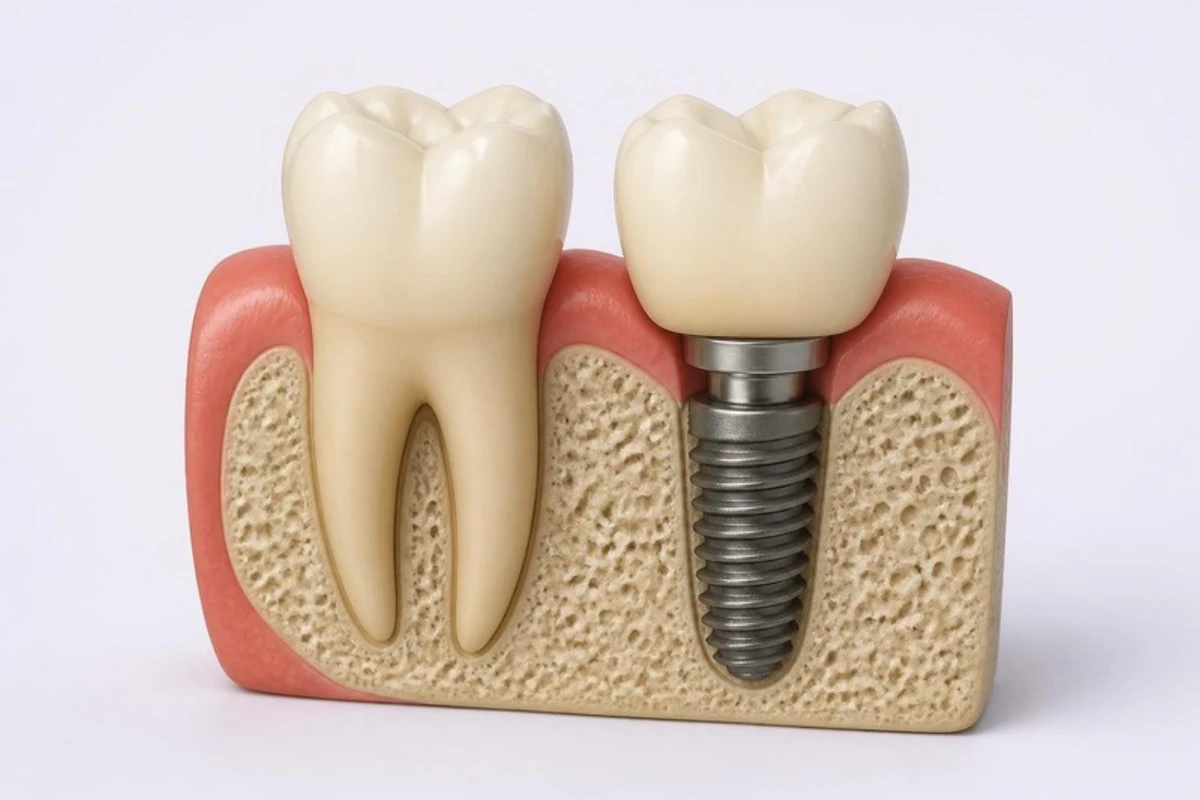
A dental implant is a small post placed in the jawbone. The dentist opens the gum, prepares a precise channel in the bone with a sequence of drills, and places the implant. Often the gum is then closed with a few stitches. The part that you feel is mostly the gum and the pressure on the jaw, and local anesthesia blocks the pain signals from that area.
Anesthesia removes pain but not every sensation. You still notice pressure, vibration and the sound of the instruments, which is why some people say it felt strange rather than painful. If you notice anything sharp, raise your hand: more anesthetic can be given at any point.
Afterwards, the body starts healing with inflammation, which is what causes soreness and swelling. A study that scanned the gums after single implant placement found swelling peaked on day 2 and was largely back to normal by day 7, and patients reported their pain and difficulty opening the mouth following the same curve. Another study comparing several procedures found that a straightforward implant healed much like a simple extraction, while implants placed with a bone graft caused the most swelling and bruising in the first days.
Worry itself also plays a part. In a study of patients having implant surgery, those who were more anxious beforehand expected more pain and tended to have pain for longer. That is not a reason to feel guilty about being nervous; it is a reason to tell your dentist, because there are practical ways to help, described later in this article.
Over the following months, the bone grows onto the implant surface. This is called osseointegration, and it happens quietly: once the gum has healed, most people do not feel it at all.
What you are likely to feel at each stage
Everyone heals differently, so treat this table as a typical pattern rather than a promise. If what you feel is very different, the warning signs section below tells you when to contact the clinic.
| Stage of recovery | What you are likely to feel | What helps |
|---|---|---|
| Local anesthetic injection | A brief pinch and a feeling of fullness, then the lip and gum go numb within minutes | Slow breathing; tell the dentist if you feel faint |
| During the surgery | Pressure, vibration and the sound of the drill; you should not feel sharp pain | Raise your hand for a pause or more anesthetic; music or headphones may help |
| A few hours later, as the numbness wears off | A dull ache begins; a little oozing of blood into the saliva is common | Take the first dose of pain relief as instructed, before the numbness fully wears off; bite on gauze |
| Days 1 to 3 | Soreness and swelling build up and peak around day 2 to 3; some bruising on the cheek is possible | Cold compress on the cheek, soft cool food, rest, sleep with your head raised |
| Days 4 to 7 | Clearly improving each day; swelling goes down and chewing on the other side feels normal | Keep the site clean as instructed; avoid hard food on that side |
| Around 1 to 2 weeks | Most discomfort has gone; stitches dissolve or are removed at a check-up | Attend the wound check; return to normal exercise when the dentist agrees |
| The following months | Usually nothing at all while the bone grows onto the implant | Normal brushing, gentle care around the site, check-ups as planned |
How the type of surgery changes recovery
The word implant surgery covers several quite different procedures. The plan made from your 3D CBCT scan tells you which of these applies to you, and that is a clearer guide to how much rest to plan.
| Type of surgery | What recovery is usually like | Points to plan |
|---|---|---|
| One implant with enough bone | Similar to a simple tooth extraction; mild to moderate soreness for a few days | 1 to 2 days of rest for desk work; soft food on that side |
| Implant placed with a bone graft | More swelling and bruising in the first days; the area is more tender | A few more days of rest; avoid biting hard food on the graft |
| Implant placed on the day a tooth is removed | One surgery instead of two; recovery feels like an extraction plus an implant | Only for suitable cases; the dentist decides after examining the tooth and the CBCT scan |
| Sinus lift for an upper back tooth | Swelling and a stuffy feeling on that side for some days | Avoid blowing your nose hard; follow the specific advice you are given |
| Several implants, or a full arch | A longer appointment and more swelling; recovery is closer to a week | Plan more time off and someone to help at home for the first days |
Two things change recovery more than the implant brand or the number of minutes in the chair: whether bone needs to be added, and how carefully you follow the aftercare in the first week.
The surgery day, step by step
The day before
- Take your usual medicines unless your dentist has given you different instructions. Do not stop a blood thinner on your own.
- Stock up on soft food: rice porridge, soup, eggs, tofu, yogurt and soft fruit.
- Prepare ice packs or a cold gel pack and a soft cloth to wrap them in.
- If you will take an oral sedative, arrange for an adult to bring you and take you home.
- Sleep well and avoid alcohol.
At the clinic
- Check-in and a brief health review: tell the team about any change in your health or medicines since the consultation.
- The plan is confirmed: the dentist goes over the implant position from your CBCT scan and answers last questions.
- If sedation is planned, it is started now. Inhaled sedation begins a few minutes before treatment; an oral sedative is taken as instructed beforehand.
- Local anesthetic is given and the dentist checks that the area is fully numb before starting.
- The implant is placed. If your plan includes a bone graft, it is done at the same stage. A single straightforward implant often takes well under an hour; more complex surgery takes longer.
- Stitches, gauze and aftercare: you receive written care instructions, medicines as prescribed, and the date of your wound check.
- A short rest before going home. After an oral sedative you rest at the clinic until the dentist is happy for you to leave, and you do not drive.
Care guide after implant surgery
Your recovery plan, day by day
Your written aftercare instructions come first, because they are made for your surgery. The plan below shows the general pattern so you know what each day is for.

| When | Focus | What to do |
|---|---|---|
| Surgery day | Let a clot form and keep swelling down | Bite on gauze as instructed; cold compress on and off; soft cool food; no rinsing or spitting hard; rest with your head raised |
| Days 1 to 3 | Get through the peak comfortably | Take pain relief on schedule; brush the other teeth gently; rinse gently after meals as advised; avoid smoking, alcohol and heavy exercise |
| Days 4 to 7 | Return to normal routine | Most people are back at work; warm food is fine; keep chewing on the other side; keep the site clean |
| Around 1 to 2 weeks | Wound check | The dentist checks healing and removes stitches if needed; ask when you can return to sport and normal chewing |
| The following months | Let the bone integrate | Avoid biting hard on the implant area; do not smoke; keep regular brushing and the planned check-ups |
Food in the first week
Choose soft food that needs little chewing, and eat on the other side. Cool or lukewarm food feels better in the first days, and warm soup is fine once the bleeding has stopped. Avoid very hot, spicy, crunchy or sticky food, small seeds that can lodge in the wound, and drinking through a straw if your dentist advises against it.
Cleaning without disturbing the wound
Keeping the mouth clean lowers the risk of infection. Brush the other teeth as usual with a soft brush, and keep the bristles away from the stitches for the first days. Start gentle rinses when your dentist says so, usually from the day after surgery, and avoid touching the area with your tongue or fingers.
How much time off work to plan
There is no single number, because it depends on the size of the surgery and the kind of work you do. Your dentist tells you what to expect for your case before the surgery date, so you can arrange leave in advance. The table gives a typical starting point.
| Your work or plans | Typical rest after one simple implant | If the surgery is bigger |
|---|---|---|
| Desk or office work | The rest of the surgery day, plus about 1 day | A few days, especially with a bone graft or several implants |
| Talking all day: teaching, sales, customer service | About 1 to 2 days | Plan lighter duties for the first week |
| Physical work or heavy lifting | A few days of lighter work | Ask your dentist; heavy effort can increase bleeding and swelling |
| Flying home after treatment in Chiang Mai | Most people can travel 2 to 3 days after implant surgery | The dentist confirms for your case, and checks the wound before you travel |
Planning treatment from abroad
If you exercise regularly, give yourself a few easy days before returning to running, weights or swimming, and check with your dentist at the wound check.
If you feel anxious: what can help
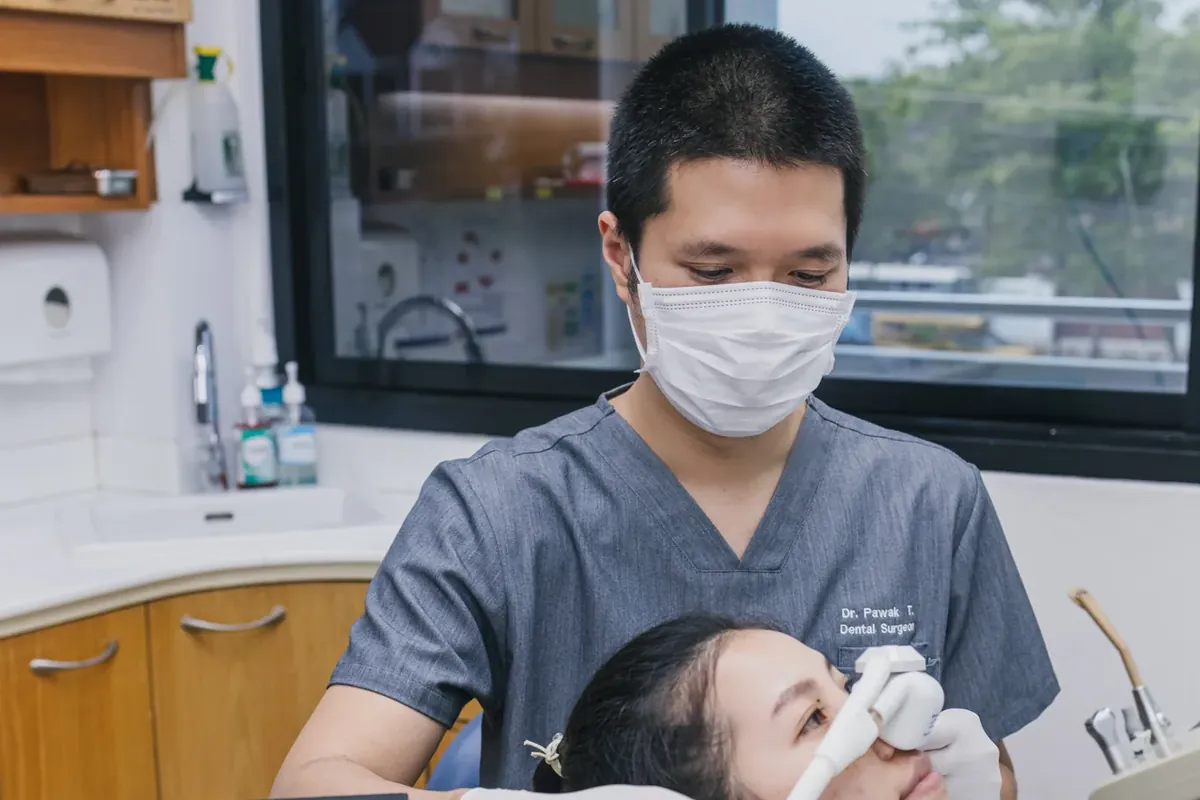
Feeling nervous before implant surgery is very common, and it is worth saying out loud. When the dentist knows, they can explain each step before it happens, agree a stop signal with you, and plan the appointment so you do not feel rushed.
Simple things that help
- Ask to see your CBCT scan and the plan, so you know exactly what will happen.
- Agree a hand signal for a pause.
- Bring headphones and music. In a small trial, patients who listened to music during implant surgery reported less anxiety afterwards.
- Eat a light meal beforehand unless you have been told otherwise, and avoid strong coffee.
- Choose a morning appointment so you are not worrying all day.
Sedation options at the clinic
Two options are available for suitable patients after the dentist reviews your health and medicines. Inhaled sedation is breathed through a small mask over the nose; most people feel relaxed within a few minutes, stay awake and can talk, and it wears off quickly. An oral sedative is a prescribed tablet taken before the appointment; it makes you calm and drowsy for longer, so you need an adult to take you home and you should not drive that day.
Both are used together with local anesthesia, because they calm the mind but do not numb the tooth. Tell the team when you book, so enough time can be reserved. If your treatment needs general anesthesia, the clinic refers you to a hospital and coordinates your care.
Sedation dentistry in Chiang Mai
Afraid of the dentist? How to make dental visits easier
Common myths about implant surgery
| Myth | Fact |
|---|---|
| Implant surgery is one of the most painful things a dentist does. | It is done under local anesthesia. For a straightforward implant, patients rate the days afterwards much like a simple extraction. |
| You will be asleep during the surgery. | Most implant surgery is done awake under local anesthesia. Sedation helps you relax, but you stay aware and can respond. |
| More swelling means the implant is failing. | Swelling normally peaks around day 2 to 3 and then improves. What matters is the direction: swelling that keeps increasing after day 3 needs a check. |
| You can chew on the implant as soon as the pain is gone. | The bone needs months to integrate. Follow your dentist on when, and how hard, you can bite on that area. |
| Smoking a little after surgery does not matter. | A large review found implant failure roughly doubled in smokers. Stopping around the time of surgery is one of the most useful things you can do. |
| Older people are too old for implant surgery. | Reviews in older adults show high implant survival. General health and medicines matter more than age, and the dentist assesses these first. |
When to contact the clinic after implant surgery
Most recoveries follow the pattern in the tables above. These signs are not common, but they are worth a call or a message so the dentist can check early.
- Bleeding that does not slow down after firm pressure on gauze.
- Pain or swelling that gets worse instead of better after day 3.
- Fever, chills, pus, or a bad taste or smell from the site.
- Numbness or tingling of the lip, chin or tongue that is still there the day after surgery.
- The implant cover, a temporary tooth or the gum over the implant feels loose or has opened.
- After surgery in the upper back jaw: a blocked nose on that side, nosebleeds, or air passing between the mouth and nose.
Seek emergency care straight away for difficulty breathing or swallowing, rapidly spreading swelling of the face or neck, or signs of an allergic reaction to a medicine.
Medicines, smoking and health conditions
Blood thinners and antiplatelet medicines
Do not stop these medicines on your own, because the condition they protect you from matters more. Tell your dentist the name and dose at the consultation. In some cases the medicine does not need to be stopped; in others, your dentist may first consult the doctor who looks after you. A systematic review found that the overall risk of bleeding from implant surgery in people taking these medicines was low.
Smoking
Smoking reduces blood flow to the healing gum and bone. In a review of more than 80,000 implants, about 6 in 100 implants failed in smokers compared with about 3 in 100 in non-smokers, and smokers also had more infections after surgery. Stopping before surgery and staying off cigarettes while the bone heals gives the implant a better start.
Diabetes and other conditions
Well-controlled diabetes and heart conditions do not usually rule out implants; a review in older adults and people with common medical conditions found high implant survival, with radiotherapy to the jaw and high-dose bone medicines for cancer as the main exceptions. Uncontrolled diabetes slows healing, so bring your latest results and a list of all your medicines.
Antibiotics
Some dentists give a single dose of antibiotic before implant surgery, because a Cochrane review found it reduced early implant failure in ordinary cases. Whether you need antibiotics, and which, is decided by your dentist for your situation. Take any medicine exactly as prescribed, and tell the team about any allergy.
Pregnancy
If you are pregnant or may be pregnant, tell your dentist, and they will plan your care with you.
Implant surgery at Kitcha Dental Clinic, step by step
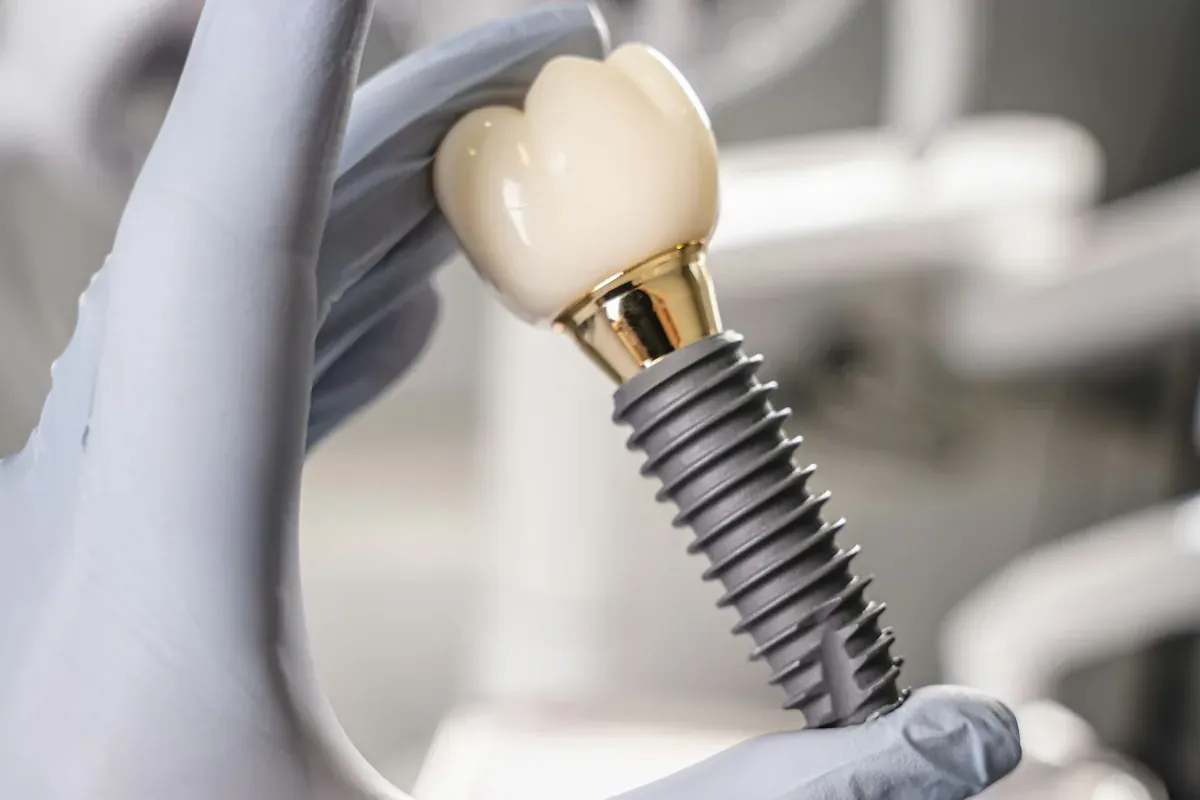
Treatment is planned by dentists with further training in implant dentistry, prosthodontics and oral surgery. When a case needs more than one field, for example gum treatment or bone grafting first, the dentists involved plan it together within the clinic.
- Examination and 3D CBCT scan: the dentist checks the bone and nearby structures and explains your options. Implants are not the only choice; a bridge or a removable denture may also suit you.
- Plan and estimate: you receive a treatment plan and a cost estimate before anything starts. The dentist recommends an implant system, such as Straumann, Dentium or the Neodent Zi ceramic implant for suitable cases, and explains why.
- Surgery under local anesthesia: computer-guided surgery, using a guide made from your scan, is available when the dentist recommends it. A bone graft is done at the same stage if your plan includes it.
- Wound check: the dentist checks healing before you travel home. After a bone graft, the wound is usually checked about 7 days later and stitches are removed when appropriate.
- Healing: the bone usually takes 2 to 6 months to bond with the implant, longer if a bone graft or sinus lift was needed. You can go home during this time.
- The new tooth: the dentist checks the implant, takes an impression or digital scan, and fits the crown or bridge.
- Ongoing care: we recommend a scale and clean every 6 months and an implant check once a year.
If radiation worries you: at our clinic, X-rays inside the mouth are digital, taken with phosphor plates and sensors that help lower the dose compared with film. Our Planmeca ProMax CBCT has an Ultra Low Dose mode, your dentist chooses the mode that suits each case, and X-rays are taken only when they are needed.
Dental X-ray radiation: how much is it, and how we keep it low
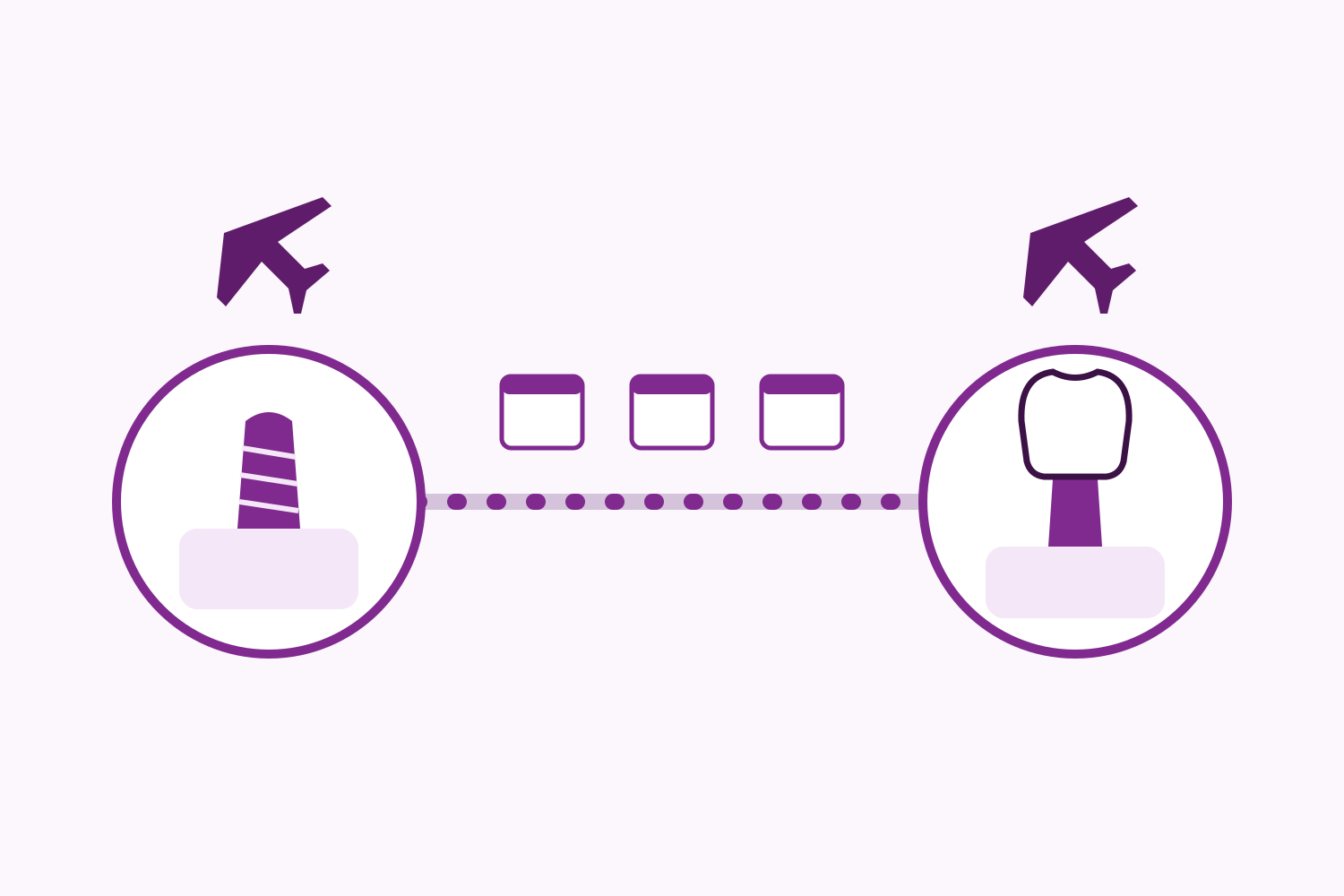
If you live abroad, plan two trips: about 1 to 2 weeks for the examination and surgery, and about 1 to 2 weeks for the new tooth, usually 2 to 6 months later. Please contact the clinic before booking flights, and send recent X-rays or photos if you have them, so the dentist can give an initial opinion. The final plan always needs an examination in person.
Implant packages for each system are listed on our prices page. CBCT scans, bone grafting, sinus lifts, special abutments, guided surgery, sedation and medicines are charged separately, only when you need them, and they appear in your estimate.
If this sounds like you: what to do
These are example situations, not patient stories, to help you find the next step that fits.
- You need one back tooth replaced and have a desk job: plan the surgery for a Thursday or Friday, rest over the weekend, and keep soft food ready for the first days.
- You feel very anxious and have been putting it off: tell the team when you book. Ask about inhaled sedation, bring music, and ask the dentist to explain each step before it happens.
- You have been told you need a bone graft: expect more swelling and bruising than a simple implant, and plan a few extra days of rest and soft food.
- You take aspirin or another blood thinner: keep taking it as prescribed and bring the name and dose to the consultation, so the dentist can plan with your doctor if needed.
- You smoke: use the time before surgery to stop, and stay off cigarettes while the bone heals. Ask your doctor or a stop-smoking service for help.
- You live abroad and want to plan the trip: send recent X-rays first, then book flights after the clinic has helped match the appointment dates.
- It is day 4 and your swelling is getting bigger, not smaller: contact the clinic the same day so the dentist can check the site.
Frequently asked questions about implant surgery
Does implant surgery hurt more than having a tooth out?
For a straightforward single implant, usually not by much. A study that followed patients every day for two weeks found that recovery after a simple implant was comparable to a simple extraction, while a difficult surgical extraction or an implant with a bone graft caused more symptoms in the first days.
How long does implant surgery take?
A single straightforward implant is often placed in around half an hour to an hour of chair time. Several implants, a bone graft or a sinus lift take longer. Your dentist gives you an estimate for your appointment so you can plan the day.
How many days does the pain and swelling last?
Soreness and swelling usually build up over the first day, peak around day 2 to 3, and then improve clearly each day. Most of it has settled within about a week, and by two weeks most people barely notice the area. Bruising, if it appears, can take a little longer to fade.
How many days off work do I need?
It depends on the size of the surgery and the work you do. After one simple implant, many people with desk jobs take the surgery day and about one more day. Bone grafting, several implants or physical work need longer. Your dentist tells you what to expect for your case so you can plan leave before the surgery date.
What can I eat after implant surgery?
Soft, cool or lukewarm food on the other side for the first days: rice porridge, soup once the bleeding has stopped, eggs, tofu, yogurt, mashed vegetables and soft fruit. Avoid very hot, spicy, crunchy and sticky food until your dentist says the area is ready, and do not bite hard on the implant while the bone is healing.
Can I smoke after implant surgery?
It is much better not to. Smoking slows healing, raises the risk of infection, and is linked with roughly double the rate of implant failure. If stopping completely feels hard, aim to stop before surgery and stay off cigarettes at least while the bone is healing, and ask a doctor or stop-smoking service for support.
When can I fly home after implant surgery?
Most people can travel 2 to 3 days after implant surgery, and the dentist confirms this for your case after checking the wound. If you live abroad, contact the clinic before booking flights so the appointments match your travel dates.
Will I have a gap while the implant heals?
Sometimes, especially for a back tooth, the gap is left to heal. A temporary tooth can be fitted in some cases, for example a removable temporary tooth for a front tooth, and your dentist explains what suits your case during planning. The permanent crown is made after the bone has bonded with the implant.
Summary
Implant surgery is done under local anesthesia, so it should feel like pressure rather than pain, and recovery after a simple implant is much like a simple extraction.
- Soreness and swelling peak around day 2 to 3 and settle over about a week to two weeks; bone grafts and sinus lifts mean more swelling.
- Plan rest by the size of surgery and your type of work, and ask your dentist before the surgery date.
- If you are anxious, say so: there are practical steps, inhaled or oral sedation for suitable cases, and the local anesthetic can be topped up at any time.
- Do not stop blood thinners yourself, avoid smoking, and tell your dentist about every medicine and health condition.
- Contact the clinic if pain or swelling gets worse after day 3, or with fever, pus, or numbness that lasts.
References
Cleveland Clinic: Dental Implants
American Dental Association (MouthHealthy): Implants
American Academy of Periodontology: Dental Implant Procedures
Faculty of Dentistry, Naresuan University (Dr. Radjit Tantasen): Dental implants, part 2