
Teeth grinding and clenching — night guards and splints in Chiang Mai
Grinding or clenching your teeth, often during sleep, can wear teeth flat, chip their edges and leave your jaw aching in the morning. At Kitcha Dental Clinic in Chiang Mai, a dentist checks the wear on your teeth and your jaw muscles, then explains whether a custom night guard or occlusal splint is likely to help protect them.
- Open every day, 09:00–20:00
- Opposite Chiang Mai Gate
- Coordinators in English and Thai
Is this you?
- Someone has heard you grinding your teeth at night.
- Your jaw, temples or cheeks feel tired or achy when you wake up.
- You catch yourself clenching while you drive, work at a computer or concentrate.
- Your teeth look worn, flat, chipped or shorter than before.
- Fillings or crowns keep chipping or breaking.
- Some teeth feel sensitive to cold where the enamel has worn.
Your dentist can see the pattern of wear during an examination and confirm what is happening.
Grinding at night, clenching by day
Bruxism is the dental name for grinding or clenching the teeth when you are not chewing food. It happens in two common ways. Sleep bruxism is grinding or clenching during sleep — many people learn about it from a partner or from the wear a dentist sees. Awake bruxism is mostly clenching or pressing the teeth together during the day, often while concentrating or under stress. Many people have both.
The causes vary from person to person. Stress, sleep habits and some sleep problems can play a part, and your dentist talks these through with you during the examination.
Why it matters
The forces of grinding are much stronger than normal chewing, and they repeat night after night. Over time this can wear the biting surfaces flat and expose the softer layer under the enamel, chip edges or crack teeth, break fillings, crowns, veneers and other restorations, and strain the jaw muscles so they feel tired or sore.
Protecting the teeth early helps keep your natural teeth and restorations in good shape for longer.
How we assess it
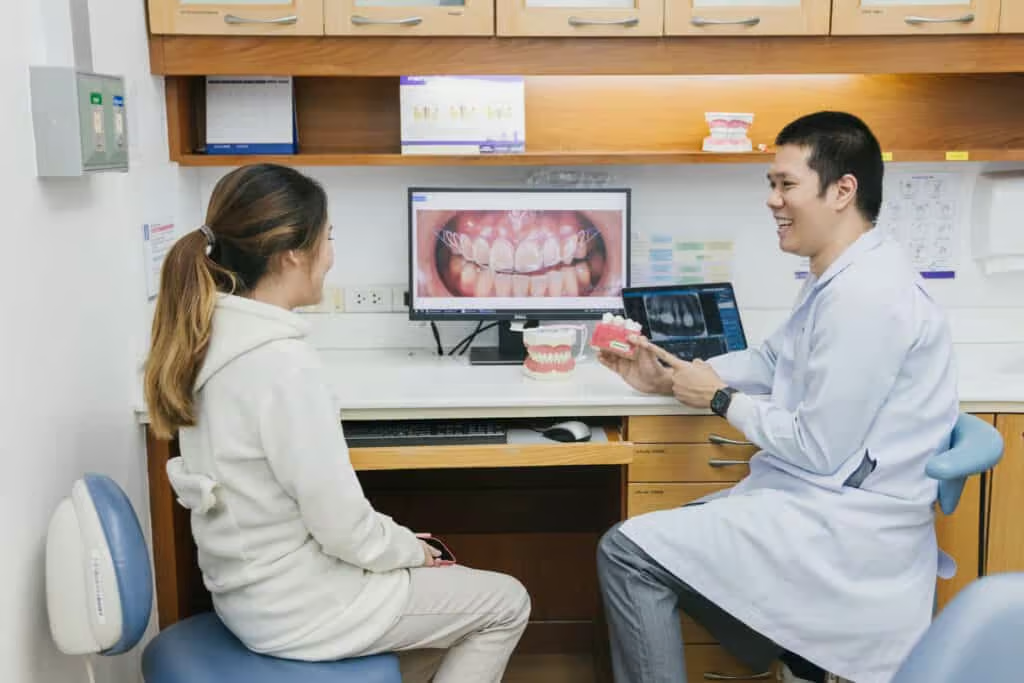
Your story
When you notice grinding or clenching, morning symptoms, and anything a partner has heard.
Examination of the jaw muscles and joints
Tender muscles, how you open and close, and joint sounds.
Tooth wear check
The pattern of wear, chips and cracks, and the condition of your fillings, crowns and veneers.
X-rays when needed
If your dentist needs a closer look at cracked teeth, restorations or the jaw joint.
Your plan
Your dentist explains what they found, whether a night guard or splint suits you, and what you can do yourself.
Treatment options
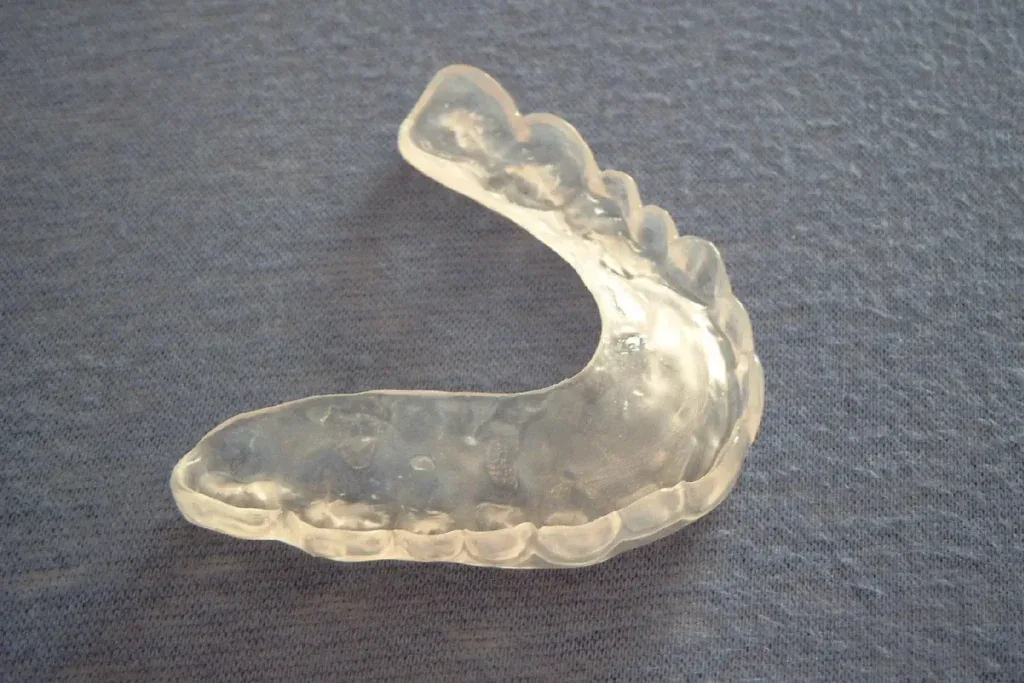
Occlusal splint or night guard
A custom appliance made from a scan or impressions of your teeth, usually worn at night. Splints come in several types and materials, and your dentist chooses the one that suits your case. It covers the biting surfaces, protects the teeth and lets the jaw muscles rest.
Adjusting the splint
Your dentist adjusts the bite on the splint on the day you receive it and again after you have worn it for several days, then checks it at every follow-up visit.
Daytime habit awareness
Noticing when you clench, keeping your teeth slightly apart with relaxed jaw muscles, and letting the teeth touch mainly when you chew and swallow. Your dentist can guide you through this.
Repairing worn or broken teeth
Once the teeth are protected, worn or broken teeth can be restored with fillings, onlays or crowns. When many teeth are worn, the work is planned together.
Already have crowns, veneers or implants?
A night guard or splint also helps protect these restorations from grinding forces. Your dentist tells you whether wearing one suits your mouth.
Would you like your teeth and jaw checked?
At the first visit your dentist checks the wear on your teeth and your jaw muscles, and explains your options before any treatment starts.
How many visits
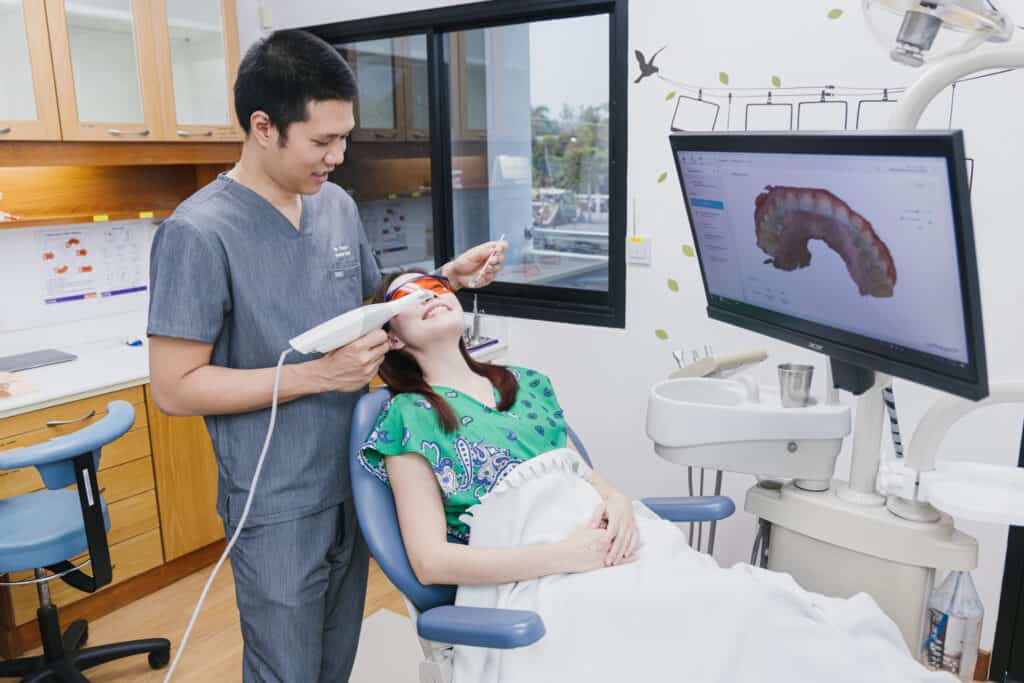
Usually at least three: the examination, a visit to scan or take impressions for the splint, and a visit about a week later to fit and adjust it — followed by a second adjustment after you have worn the splint for several days. After that, bring your splint to each regular check-up so your dentist can check and adjust its bite.
Caring for your splint
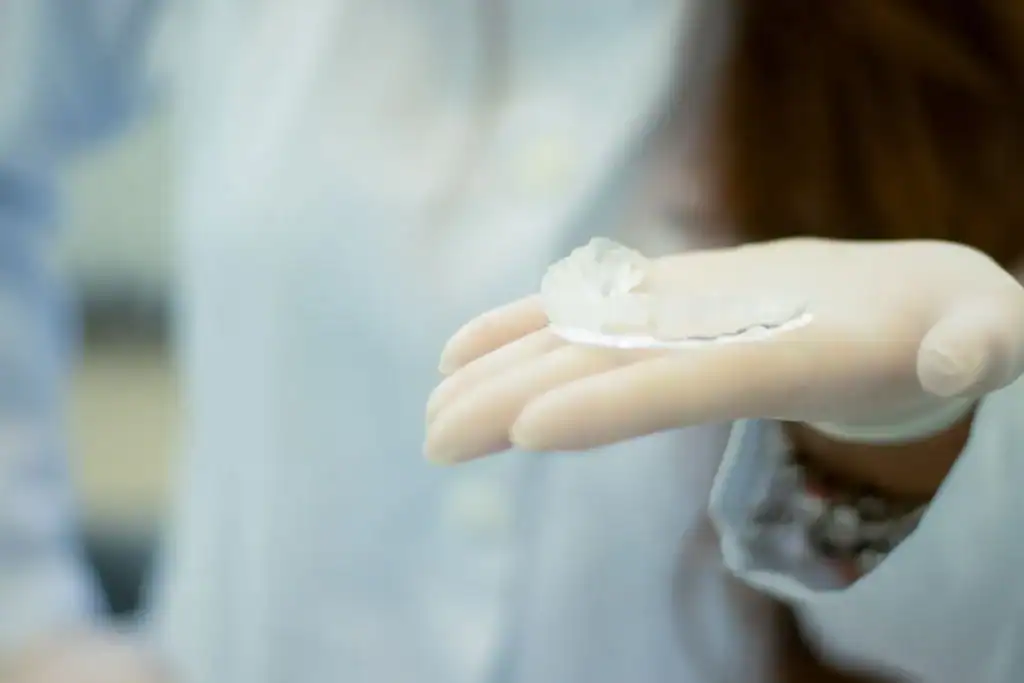
When to wear it
As your dentist advises — usually during sleep, and also when you tend to clench.
The first days
You may notice more saliva; this usually settles within a few days.
Cleaning the splint
Every time you take it out, brush it inside and out with a toothbrush and a little water, rinse it, and store it in its case.
Weekly soak
Once a week, soak it in an effervescent denture cleaner. Clean water and the toothbrush are all it needs on other days — mouthwash can stain the splint.
Storage
Keep it moist in a closed case (for example with a damp cotton pad), away from children and pets. Use room-temperature water, because heat can change its shape.
Check-ups
Bring it to every appointment so your dentist can check and adjust its bite.
Jaw pain or snoring as well?
If pain in front of the ear, clicking or difficulty opening your mouth is your main concern, read about jaw-joint care.
Snoring is managed with a different appliance. A mandibular advancement device (MAD) holds the lower jaw slightly forward during sleep. Sleep tests and sleep medicine are provided by physicians we work with at Bangkok Hospital Chiang Mai; your dentist can arrange the referral and then make the appliance if it is recommended.
Cost of night guards and splints
Night guards and occlusal splints, the examination and splint adjustments are listed on our prices page. Your dentist confirms which you need after the examination.
Prices on our prices page are shown as ranges. Your final fee depends on what the examination finds, and may include additional items — such as a rubber dam or special materials — when your treatment needs them. Your dentist explains these before treatment.
Who treats you
Teeth-grinding care is provided by dentists in our multidisciplinary team. When worn or broken teeth need restoring, prosthodontists and other members of the team plan that work with you.
Teeth grinding FAQs
What causes teeth grinding?
The causes vary from person to person. Stress, sleep habits and some sleep problems can play a part, and daytime clenching often happens during concentration. Your dentist asks about these during the examination and explains which steps may help you.
How do I know if I grind my teeth at night?
Common clues are a partner hearing grinding, a tired or achy jaw on waking, and teeth that look worn or chipped. Your dentist can see the pattern of wear during an examination and confirm what is happening.
Will a night guard stop me grinding?
A night guard is designed to protect your teeth from the forces of grinding, and it may ease muscle strain. The grinding habit itself may continue, so your dentist also explains steps that may help, such as noticing and relaxing daytime clenching.
Which type of splint will I get?
Splints come in several types and materials. Your dentist chooses the one that suits your case after examining your teeth, your bite and your jaw muscles, then makes it to fit your teeth and adjusts it to your bite.
How much does a night guard cost?
Night guards and occlusal splints are listed on our prices page. Your dentist confirms which one suits you after the examination. The final fee depends on what the examination finds and may include additional items.
How long does a splint last?
It varies. The biting surface of a splint wears over time and needs regular checks and adjustments, so bring it to every check-up. People who grind heavily may need a new splint sooner.
Can I use a ready-made guard from a store instead?
Ask your dentist before you choose. A guard made from your own teeth is adjusted to your bite and covers the teeth you grind on. Your dentist explains how a ready-made guard compares for your mouth.
I have crowns, veneers or implants. Should I wear a night guard?
If you grind or clench, a night guard or splint helps protect your crowns, veneers and implant restorations from those forces. Your dentist checks your restorations and your bite and tells you whether one suits you.
Book a teeth-grinding assessment
Tell us what you notice — grinding, clenching, worn teeth or morning jaw ache — and how long you have had it. A coordinator replies in English or Thai and books a time with a dentist. Open every day, 09:00–20:00 (Thailand time).
Or email us at [email protected]
Content reviewed by Dr. Pawak Tungthangthum — DDS, Chiang Mai University; Master's Degree in Esthetic Restorative and Implant Dentistry (International Program), Chulalongkorn University · Last reviewed