
Jaw pain and TMD in Chiang Mai
Pain in front of the ear, a jaw that clicks or locks, and tired, aching chewing muscles can all come from the jaw joint and the muscles that move it. At Kitcha Dental Clinic in Chiang Mai, a dentist first examines the jaw joint and muscles, then explains whether a custom splint or other care is likely to help.
- Open every day, 09:00–20:00
- Opposite Chiang Mai Gate
- Coordinators in English and Thai
Is this you?
- Aching in the jaw, the temples or in front of the ear, often worse in the morning.
- Clicking or popping when you open your mouth, or a jaw that sometimes catches or locks.
- Difficulty opening your mouth wide.
- Clenching or grinding your teeth, during the day or in your sleep.
Jaw pain can also come from a tooth, the sinuses or the ear, so your dentist examines you before suggesting any treatment.
Why it happens
TMD (temporomandibular disorder) is a general name for problems in the jaw joint and the muscles that move it. Clenching or grinding — during the day or in sleep — overloads these muscles and wears the teeth. Stress, the way the teeth meet, and some sleep problems can play a part.
How we assess it

Examination of the jaw joint and chewing muscles
How far and how smoothly you open, joint sounds, tender muscles, and the wear on your teeth.
X-rays when needed
A TMJ X-ray or other imaging if your dentist needs a closer look at the joint or teeth.
Bite analysis when needed
Models of your teeth may be mounted to study how your teeth meet.
Your plan
Your dentist explains what they found and which options may help, including what you can do yourself.
Treatment options
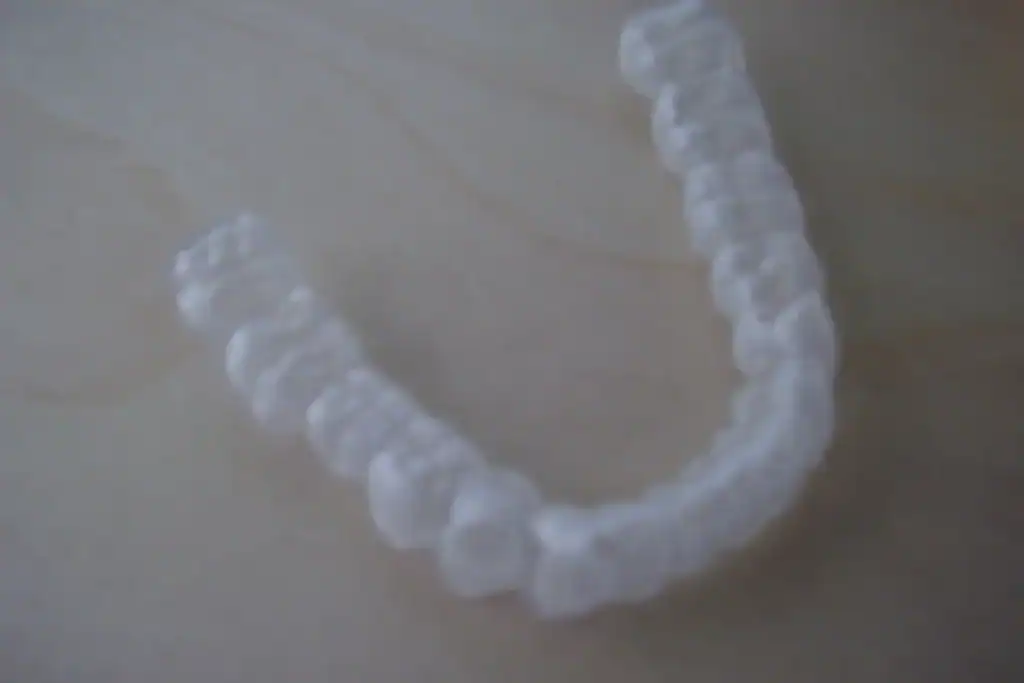
Occlusal splint
A custom appliance, usually worn at night, that protects the teeth and lets the jaw muscles rest. Splints come in several types and materials, and your dentist chooses the one that suits your case. A splint can ease muscle strain, but how much it helps differs from person to person, so your dentist reviews your progress at follow-up visits.
Splint adjustments
A splint is adjusted on the day you receive it and again after you have worn it for several days, then checked at follow-up visits.
Self-care and jaw exercises
Soft food, avoiding wide yawns and gum chewing, heat or cold packs, and exercises your dentist shows you.
Other care
Jaw mobilization, bite adjustment or a medication review, when your dentist finds they are needed.
Would you like your jaw checked?
At the first visit your dentist examines the jaw joint, the chewing muscles and your bite, and explains your options before any treatment starts.
How many visits
A splint is made to fit your teeth, so it takes at least three visits. Your dentist records your teeth for the splint, and the splint is usually ready about a week later. Your dentist adjusts it on the day you receive it and again after you have worn it for several days, and tells you the plan at the first visit.
Bring your splint to every check-up, because its bite needs adjusting over time.
Cost of jaw joint care
The jaw examination, night guards and occlusal splints, splint adjustments, bite analysis and TMJ X-rays are listed on our prices page. Each item is charged only when you need it, and your dentist gives you a written estimate after the examination.
Prices on our prices page are shown as ranges. Your final fee depends on what the examination finds, and may include additional items — such as a rubber dam or special materials — when your treatment needs them. Your dentist explains these before treatment.
Teeth grinding or snoring?
If grinding and worn teeth are your main concern, care usually focuses on protecting the teeth with a night guard or occlusal splint. If you snore or a physician has diagnosed sleep apnea, sleep apnea is diagnosed by a physician with a sleep test, and our dentists make an oral appliance when it is recommended. Jaw pain, grinding and snoring are all part of our bite, jaw and sleep care, and one examination covers them.
When we refer you
If your symptoms point to a problem outside the teeth and jaw muscles — for example the ear, sinuses or nerves — your dentist will tell you and suggest seeing a doctor. Jaw surgery is a separate treatment done in hospital.
Who treats you
Jaw joint and splint care is provided by dentists in our multidisciplinary team. When your plan also needs prosthodontic, orthodontic or oral surgery care, the dentists involved plan it together within the clinic.
Jaw pain and TMD FAQs
How do I know if my jaw pain is TMD?
Only an examination can tell. Your dentist checks the jaw joint, the chewing muscles, your bite and your teeth, and takes an X-ray if needed, because jaw pain can also come from a tooth, the sinuses or the ear.
Can a splint help jaw pain?
For many people a custom splint, worn as your dentist advises, can ease strain on the chewing muscles and protect the teeth. How much it helps differs from person to person, so your dentist reviews your progress at follow-up visits and adjusts the plan.
How much does an occlusal splint cost?
Prices for the jaw examination, night guards, occlusal splints and splint adjustments are on our prices page. Your dentist confirms which you need after the examination. The final fee depends on what the examination finds and may include additional items.
How long does a splint last?
It varies. The bite on a splint wears and needs checking and adjusting over time, so bring it to every check-up. People who grind heavily may need a new splint sooner.
My jaw clicks but does not hurt. Should I have it checked?
Ask your dentist at your next check-up. Your dentist examines how your jaw opens and moves, and explains whether any care is needed now or whether keeping an eye on it is enough.
Do you treat snoring and sleep apnea?
Our dentists make mandibular advancement devices (MADs) after a physician has assessed you. Sleep tests and sleep medicine are provided by physicians we work with at Bangkok Hospital Chiang Mai, and your dentist can arrange the referral.
Do I need jaw surgery?
Most jaw-joint problems are managed without surgery. If your dentist finds a problem that may need surgery, they explain why and refer you, because jaw surgery is done in hospital.
Book a jaw assessment
Tell us your symptoms and how long you have had them. A coordinator replies in English or Thai and books a time with a dentist. Open every day, 09:00–20:00 (Thailand time).
Or email us at [email protected]
Content reviewed by Dr. Pawak Tungthangthum — DDS, Chiang Mai University; Master's Degree in Esthetic Restorative and Implant Dentistry (International Program), Chulalongkorn University · Last reviewed