
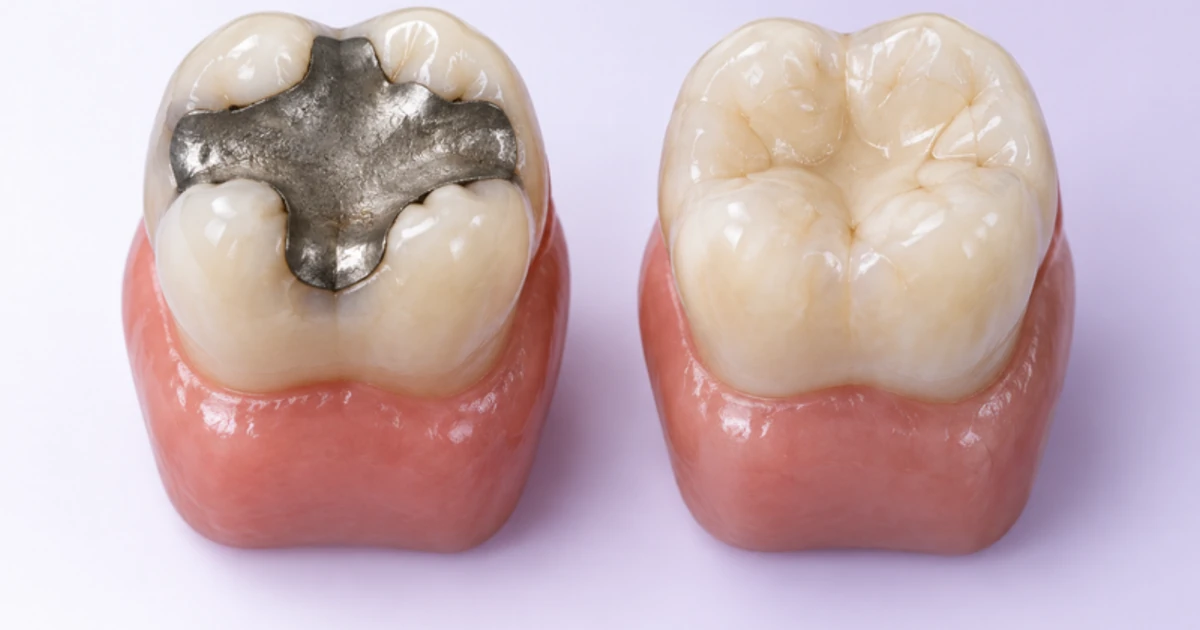
Maybe you just read something online about silver fillings and now you’re wondering about your own. Or you’ve had them for years and have finally decided you’d like them changed. Either way, it’s normal to feel unsure, and every question you have is a fair one.
Two things up front. First, there’s no rush. A silver filling that is still tight, with no decay underneath, doesn’t need to come out. Second, if you want yours replaced, that’s your choice to make. And at Kitcha Dental Clinic, if you’d like every step done with extra care, we offer SMART amalgam removal.
Quick summary
- Silver fillings in good condition don’t need to come out in a hurry. Ones that are broken, leaking or decayed underneath should be replaced
- Wanting a change for the color, or for peace of mind, is a perfectly good reason. Your dentist will help you plan
- For extra care, you can choose SMART removal. Tell us when you book, and you’ll get a clear list of costs before we start
Which situation sounds like you?
People who ask about silver fillings usually fit one of the situations below. See which is closest to yours.
You’ve had silver fillings for years and have no symptoms. Your dentist will usually check each filling one by one. If it’s still tight with no decay under it, you can keep it and have it checked from time to time. No need to hurry.
A filling is cracking, the edge has a groove, food keeps catching, or the tooth is sensitive. These can be signs that the edge is leaking or that decay has started underneath. Your dentist will suggest an exam and an X-ray. If there’s a treatment reason, replacing the filling is routine care, and it’s worth doing sooner, before the tooth gets more damaged.
You don’t like the silver showing when you smile. That’s a fair reason. Your dentist can show you which teeth can be changed while losing as little tooth as possible, and pick a tooth-colored material that blends in.
You’re worried about mercury and want them changed for peace of mind. You can talk this through fully with your dentist. They’ll explain what health authorities say, and what you gain and lose by having fillings removed. If you decide to go ahead and want extra care, you can choose SMART removal.
You’re pregnant, breastfeeding, have kidney disease, or are asking for a child. Tell us when you book, and your dentist will plan around you.
Do my silver fillings have to come out?
That’s what most people really want to know. Your dentist answers it by examining each tooth, not by going on the news.
The fillings we recommend replacing are the ones with a clear reason: a filling that is broken or loose, an edge that leaks so food keeps catching, decay under the filling, a cracked tooth or thin tooth wall that needs covering or strengthening, and cases where a doctor has diagnosed an allergy to something in amalgam. Replacing these really does leave the whole tooth stronger.
You can do a first check at home. Look for a darker shade around the filling or a gray shadow in the tooth, a groove along the edge, floss that catches or shreds, food that keeps packing into the same spot, sensitivity to cold or sweet things, or pain when you bite. These signs don’t always mean a filling has to come out. But they’re a good reason to have your dentist look, because many problems can’t be seen with the naked eye. Decay under a filling, for example, shows up on an X-ray.
If a filling is still good, you can keep it or change it. Changing it because the silver shows when you smile, or for peace of mind, is a good reason too. Your dentist just wants you to know the full picture first: removing a filling means drilling away some healthy tooth, and your dentist will help you choose the right new material for that tooth.
Keeping your fillings doesn’t mean ignoring them. Come in for regular check-ups and cleanings, so your dentist can keep an eye on them.
What you may have heard in the news
Silver fillings, also called amalgam, have been used by dentists around the world for decades. The US Food and Drug Administration (FDA) says there is no conclusive evidence that amalgam harms the health of the general public, and it does not recommend removing a filling that is still sound with no decay under it. The American Dental Association (ADA) and the EU Scientific Committee (SCENIHR) came to similar conclusions. The exception is people a doctor has diagnosed with an allergy to something in amalgam.
The news that many countries are phasing amalgam out comes from the Minamata Convention on Mercury and a World Health Organization plan. That is mainly about reducing mercury in the environment. It does not say that people who already have these fillings need them removed.
So amalgam removal is simply a change of filling material. Your dentist always explains the pros and cons first, and if you have health concerns, you can talk to your own doctor as well.
Two ways to remove silver fillings
There are two ways to approach silver fillings removal. You can choose, or let your dentist help you choose after the exam.
Standard removal is for when a silver filling has to come out for a treatment reason: it’s broken, there’s decay under it, or it has to be drilled out while preparing the tooth for a crown. The dentist cuts the filling into small pieces and lifts it out, as part of the normal routine. This is how it’s usually done. Once the old filling is out, the dentist cleans the tooth, removes any decay, and then restores it with a tooth-colored material or prepares it for a crown or other restoration.
SMART removal is for people who want every step done with extra care, from start to finish. We add protective equipment and extra steps. To choose it, just tell us when you book, so we can prepare the equipment and set aside enough time. Because it uses more equipment and takes longer, it costs more than standard removal. Your dentist gives you the full list of items before starting, so there are no surprises along the way.
Not sure which is right for you? You don’t have to decide before you come. Your dentist can examine you and talk it through at your first visit.
How SMART amalgam removal protects you
SMART aims to give you peace of mind. It cuts down your contact with the fine metal particles and spray made during drilling by catching them at the source, before they reach your mouth and throat or spread into the room. That protects the dental team too. Each step has its own job:
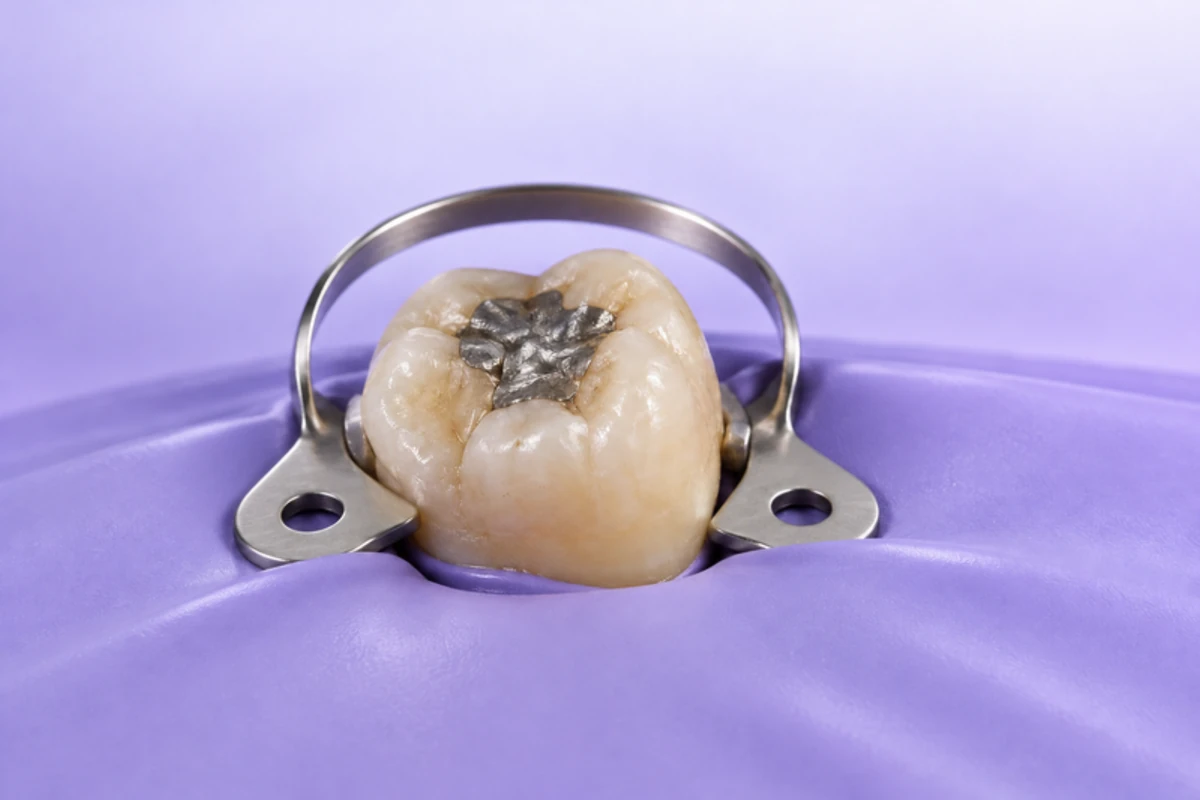
- Rubber dam. A thin rubber sheet fits around the tooth being treated, so only that tooth shows. It keeps water and debris out of your mouth and throat. It may feel a little tight at first, and most people get used to it quickly.
- High-volume suction right next to the tooth. It removes water and debris the moment they’re produced, before they can spread.
- Full water spray. It keeps the tooth cool while drilling and helps carry debris to the suction.
- Cutting the filling into pieces and lifting them out, instead of grinding it into fine powder, so there’s less spray.
- Rinsing with activated charcoal, as one step of the removal. You’ll rinse with a dark charcoal liquid, and your dentist will tell you how and when.
- Air or oxygen through a small nose mask. You breathe comfortably and take in less of the air around your mouth. You’ll feel a gentle breeze now and then.
- Protective glasses, plus a cover for your face and body, to keep spray out of your eyes and off your skin and clothes.
- An extra-oral suction unit near your mouth, or an air filter in the room, to catch anything that escapes. This protects both you and the team.
If you have several fillings, your dentist may suggest doing one area at a time, so you stay comfortable and don’t get too tired. They’ll explain the steps before each visit. If you’re visiting from another province or from abroad and your time is limited, tell us when you book. Your dentist can arrange the order of the teeth and the number of visits to fit your stay.
If you choose SMART: what the visit is like
- Talk and examine. Your dentist checks each filling, takes an X-ray when needed, and asks about your health, including pregnancy and kidney disease. Then they tell you which fillings should be replaced and which can stay.
- Plan together. If you decide to go ahead, your dentist plans which tooth comes first, which material to use and how many visits you’ll need, and tells you the total cost before starting.
- Getting ready. Our staff set up the equipment listed above, and your dentist explains what you’ll see and feel. Most patients have a local anesthetic (a numbing injection) first.
- SMART removal. If there’s decay under the filling, it’s cleaned out next. You can always ask for a break.
- Restoration. A small filling is usually replaced with a tooth-colored material at the same visit. A large one may need an inlay, onlay or crown. That means an impression or scan first and another visit to fit it, and your dentist will place a temporary restoration to protect the tooth while you wait.
What does it cost?
Many people worry about this, so here it is plainly: the cost comes in clear parts.
- Protective supplies for SMART, such as the equipment that isolates the tooth and collects debris, the charcoal, and the protective cover and glasses
- Oxygen through the nose mask, SMART only
- Local anesthetic
- Restoring each tooth, depending on the material you choose: composite, a ceramic inlay or onlay, or a crown. The price varies by type and size
Your dentist goes through all of these items before starting, every time. You decide once you’ve seen the real figures, and nothing is added later without you knowing. See the fillings and crowns section of the prices page, and how the clinic works out its fees.
fillings and crowns section of the prices page
how the clinic works out its fees
What replaces the old filling?
We fill teeth with tooth-colored materials. Your dentist recommends the type based on the size of the old filling and the condition of each tooth.
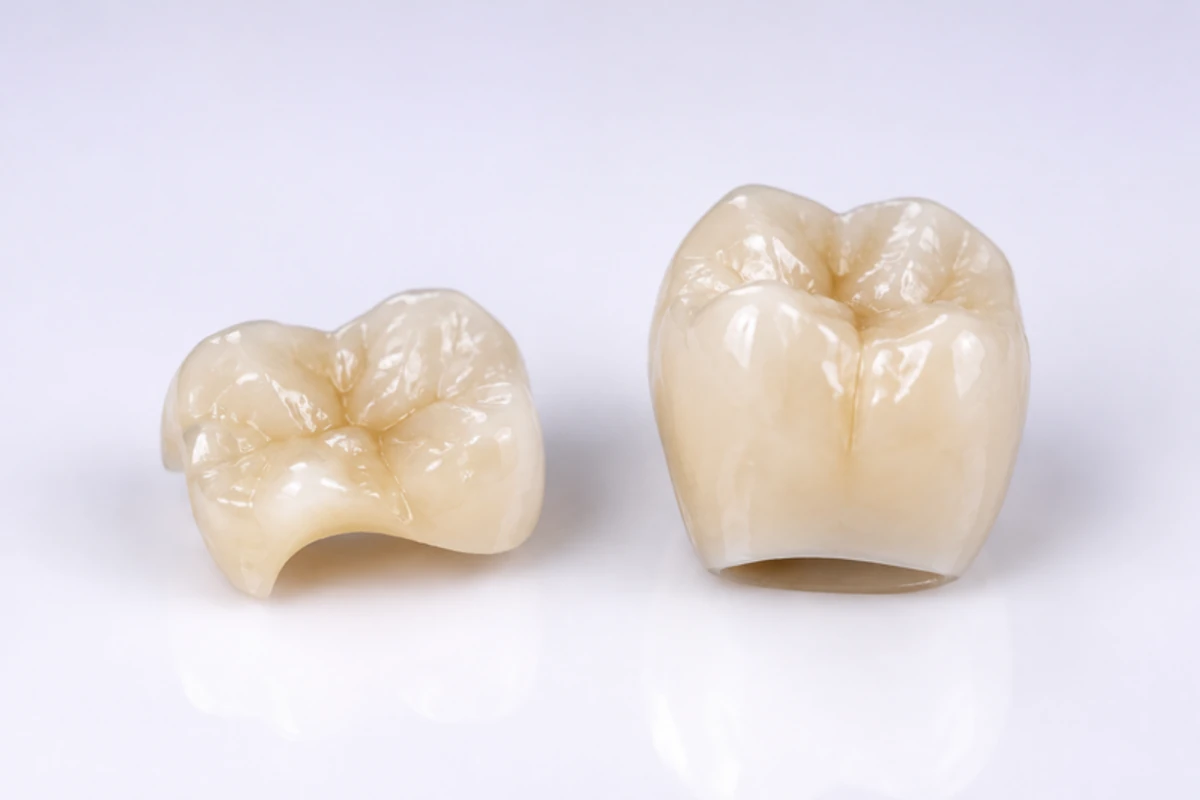
Composite resin suits small to medium fillings. It’s placed and hardened in one visit, and the shade can be matched to your teeth. It removes little tooth and is quick. See dental fillings.
Ceramic inlay or onlay. A piece made to fit that tooth exactly, then bonded in. It’s usually recommended when the old cavity is large. It takes more than one visit, because the tooth has to be impressed or scanned and the piece has to be made.
Crown. For a tooth that is cracked, or has little tooth left once the old filling is out. It covers the tooth and holds it together. See dental crowns.
Your dentist makes the final choice once the old filling is out and they can see how much tooth is left. Sometimes the plan you discussed changes slightly because of what they find, and your dentist will always explain before changing it.
Looking after yourself afterwards
After removal and restoration, most people go straight back to their normal day. A few things are worth knowing.
- The numbness lasts a while. Be careful not to bite your cheek or tongue, and wait until it wears off before eating anything hot or chewy
- Your tooth may be sensitive for a few days, especially to hot and cold. This is common after a filling is changed. If it gets worse or doesn’t improve, contact the clinic
- If your bite feels uneven or it hurts to bite, let us know so your dentist can check and adjust it
- Clean around the edge of the filling as usual. Brush twice a day and use floss or interdental brushes
- Keep your check-ups, so your dentist can look at the new filling and any you kept
If you have a temporary restoration while the final piece is being made, chew on the other side and avoid sticky or hard food. Your dentist will tell you more about caring for the work you’ve had done.
Pregnancy, kidney disease or metal allergy
Pregnant or breastfeeding. Just tell your dentist when you book, and they’ll plan for you. See Dental care during pregnancy.
Kidney disease and young children. If you have kidney disease, or you’re asking for a young child, please tell our staff when you book, and your dentist will plan accordingly.
Metal allergy. If a doctor has diagnosed an allergy to something in amalgam, that is a medical reason to replace it. Please bring the diagnosis or a doctor’s letter for your dentist to see.
Getting ready, and questions to ask your dentist
Before you come, try to have the following ready. It helps you get more out of your first visit.
- Your X-rays or records of the old fillings, if you have them (if not, that’s fine, we can take new X-rays)
- A list of the medicines you take, and any health conditions
- A clear idea of what you want: for example, a change for the color, a change because you’re worried, or just the information before you decide
- If you’re interested in SMART, tell us when you book so we can prepare the equipment and the time
Not sure what to ask? You can bring these questions along.
- Which of my fillings should be replaced, which can stay, and what should I watch for in the ones I keep?
- If replacing them is optional, what are the pros and cons for my teeth, and how much more tooth will I lose?
- Can I have SMART removal? How much extra does it cost, and how far ahead should I tell you?
- Which material suits which tooth: composite, ceramic or a crown?
- How many teeth per visit, and how many visits?
- Is there anything I should be careful about afterwards?
Frequently asked questions about silver fillings
Do all silver fillings have to come out?
No. Fillings that are still good can stay. The ones that are broken, leaking, decayed underneath or in a cracked tooth should be replaced.
Can I ask for SMART amalgam removal?
Yes. Tell us when you book. We’ll prepare the equipment, set aside the time, and give you the cost before starting.
Does SMART removal cost extra?
Yes, it costs more than standard removal, because it uses protective supplies, oxygen through a nose mask, and more time. Your dentist gives you the items as a list before starting.
Is a rubber dam on its own enough?
A rubber dam does a good job of keeping water and debris out of your mouth and throat. SMART uses it together with high-volume suction, water spray and several other steps, to protect you in several ways at once.
If I keep my silver fillings, do I need to do anything?
Keep your teeth clean as usual, and come for check-ups and cleanings when we suggest. Your dentist will keep an eye on the fillings. If one starts to crack or decay starts under it, you can plan to replace it then.
Do all my fillings have to be removed in one visit?
No. Your dentist usually suggests one area at a time, so you stay comfortable and don’t get too tired. How many teeth per visit depends on your teeth and your time.
I’m visiting Chiang Mai. Can it all be done in one trip?
It depends on how many teeth and which material. Composite is usually done in one visit, while inlays, onlays and crowns need another visit. Tell us how long you’ll be here when you book, and your dentist will help you plan.
Will my health improve after the fillings come out?
Removal is a change of filling material, and there is no evidence yet that it treats any disease. If you have health concerns, you can talk to your own doctor as well.
Does it hurt, and how many visits will it take?
Most patients have a local anesthetic first. A small filling replaced with composite is usually done in one visit. Inlays, onlays and crowns need another visit. Your dentist tells you the number of visits in advance.
Summary
- Silver fillings that are still good don’t need to come out in a hurry. Ones that are broken, leaking or decayed underneath should be replaced
- If you want them changed for the color or for peace of mind, you can, and your dentist will help you plan
- For extra care, choose SMART removal. Tell us when you book. It costs extra, and the cost is made clear before starting
- If you’re pregnant, breastfeeding, or have kidney disease or a metal allergy, just tell your dentist
You don’t have to decide before you come. If you’d like a dentist to look at each old filling and talk through what suits you, you can book an appointment at Kitcha Dental Clinic, call +66 53 200 201, message us on LINE @kitchaclinic or WhatsApp +66 91 797 7888. For the service itself, see removing amalgam fillings.
The clinic is open every day, 09:00-20:00, except 31 December, 1 January and 13-15 April. Walk-ins are welcome, but our dentists see patients with appointments first, so you may have to wait a while. Booking ahead gives you a fixed time.
Sources for this article
- US Food and Drug Administration (FDA), patient information on dental amalgam fillings, and American Dental Association (ADA) position on amalgam, 2020
- EU Scientific Committee (SCENIHR), report on the safety of amalgam and alternative filling materials, 2015
- Minamata Convention on Mercury (UNEP), 6th Conference of the Parties, 2025, and World Health Organization (WHO) information on mercury and health
- The clinic’s own experience, and the removing amalgam fillings page