
Replacing a single missing tooth
One missing tooth can be replaced with an implant and a crown, which does not need the teeth beside it to be shaped. A bridge or a small partial denture are other options. At Kitcha Dental Clinic, the implant is planned with a 3D CBCT scan.
- Open every day, 09:00–20:00
- Opposite Chiang Mai Gate
- Coordinators in English and Thai
Options for one missing tooth
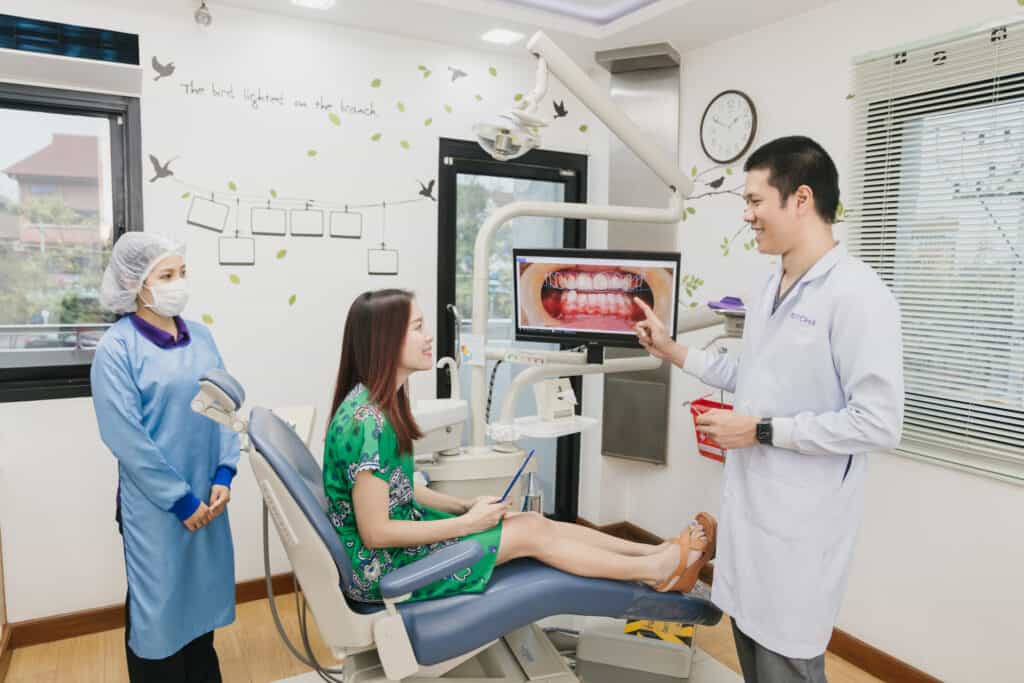
Implant and crown
Replaces the root and the tooth without shaping the neighboring teeth. Needs enough bone and two stages a few months apart.
Dental bridge
A fixed replacement held by crowns on the teeth either side, usually finished within a couple of weeks.
Partial denture
A removable option with no surgery.
Not sure which option suits you?
Send a recent X-ray or a photo if you have one. Your dentist looks at it and explains your options before any treatment starts.
What an implant package includes
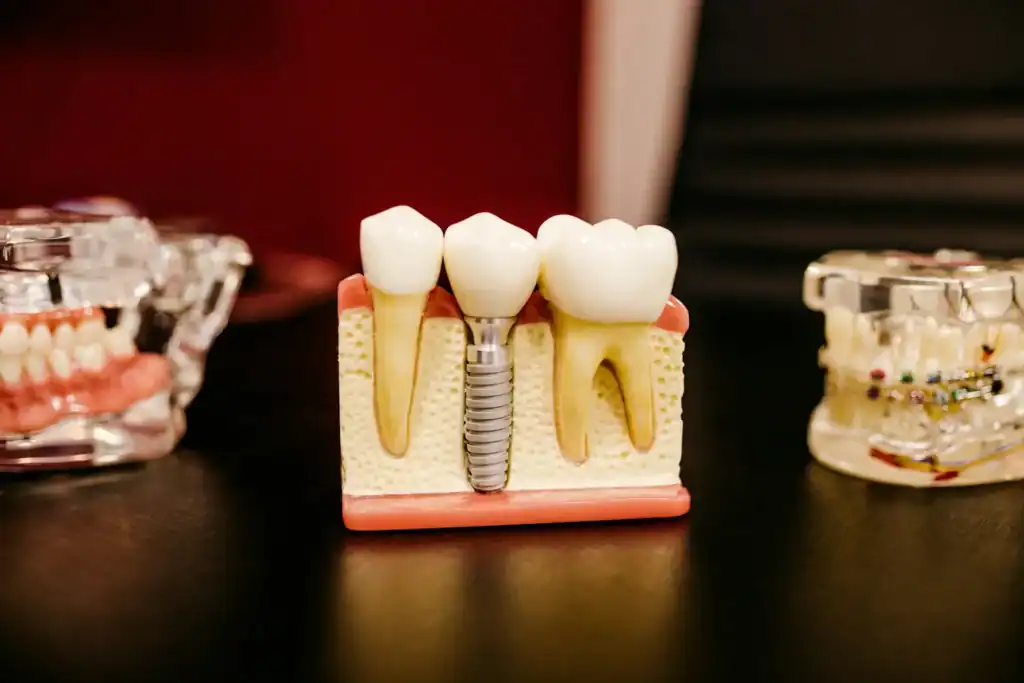
Included
The implant, a standard (straight) abutment and a zirconia crown.
Charged separately, only if you need them
CBCT scan, bone grafting and graft materials, sinus lift, special abutments and a computer-guided surgical guide, plus the consultation fee and medicines.
Payment and warranty
A deposit is required before surgery and the surgical fee is paid in full on the day of surgery; the crown is paid on the day of the impression. 1-year warranty on the restoration, terms apply: it covers implant components and laboratory work done at our clinic, is used at the clinic in Chiang Mai, and does not include travel, accommodation or treatment elsewhere.
What happens, and how many visits
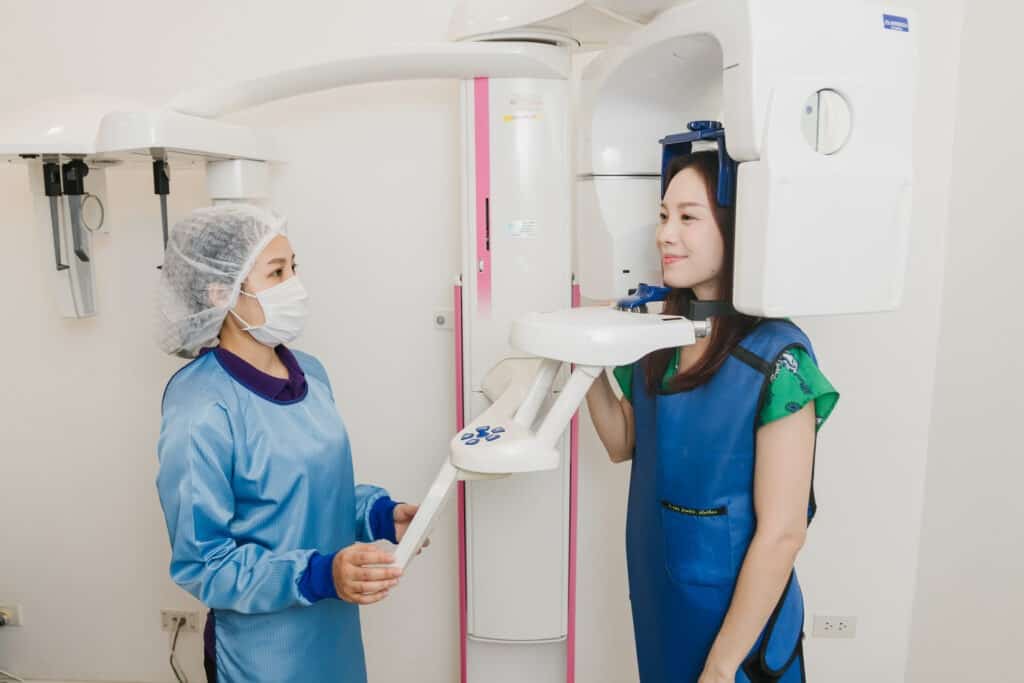
Trip 1: examination and implant surgery, usually about 1–2 weeks
Examination, CBCT scan and a treatment plan with a written estimate. Then implant surgery under local anesthesia; bone grafting is done at this stage if your plan includes it. Your dentist checks the healing before you leave.
Healing: usually 2–6 months
The bone grows onto the implant. Bone grafting or a sinus lift can make this longer. You can go home during this time.
Trip 2: the new tooth, usually about 1–2 weeks
Your dentist checks the implant, takes an impression or a digital scan, and fits the crown or bridge.
Your dentist confirms your own timeline after the CBCT scan. Most people can travel 2–3 days after implant surgery; your dentist confirms this for your case. If you live abroad, contact us before you book flights so the visits can be planned around your travel dates.
Cost of a single implant
Implant prices are listed for each system on our prices page, so you can compare them before you visit. Your dentist gives you a written estimate after the examination and CBCT scan; if the plan changes during treatment, the fee follows the procedures actually performed.
Prices on our prices page are shown as ranges. Your final fee depends on what the examination finds, and may include additional items — such as a rubber dam or special materials — when your treatment needs them. Your dentist explains these before treatment.
Who treats you
Implant treatment is planned and carried out by dentists with postgraduate training in implant dentistry, prosthodontics and oral surgery. When a case involves several fields, for example gum treatment or bone grafting before the implant, the dentists involved plan it together within the clinic. You can ask for a particular dentist, and our coordinators will suggest the right one for your treatment.
Single missing tooth FAQs
Implant or bridge for one missing tooth?
An implant replaces the tooth without shaping its neighbors but needs enough bone and a few months. A bridge is quicker but needs crowns on the teeth either side. If those teeth already need crowns, a bridge may make sense; your dentist explains which suits you.
How long do I need to stay in Chiang Mai for dental implants?
Plan two trips. The first trip, for examination, CBCT scan and implant surgery, usually takes about 1–2 weeks. The second trip, for the final tooth, is usually 2–6 months later and takes about 1–2 weeks. Bone grafting or a sinus lift can lengthen the healing time, and your dentist confirms the timeline after the CBCT scan.
How much does a dental implant cost?
It depends on the implant system: Dentium, Straumann or the Neodent Zi ceramic implant. Current prices for each package are on our prices page. Each package includes the implant, a standard abutment and a zirconia crown. Bone grafting, sinus lift, special abutments and CBCT scans are charged separately, only if you need them. The final fee depends on what the examination finds and may include additional items.
Can the implant be placed when the tooth is removed?
In suitable cases, yes: the implant can be placed at the same visit as the extraction. The final crown is still made after the bone has healed. Your dentist tells you whether this suits your case after the examination and CBCT scan.
Does implant surgery hurt?
The area is numbed with local anesthesia, so you should feel pressure rather than sharp pain during surgery; tell your dentist if you feel anything sharp. Some soreness and swelling for a few days afterwards is common, and your dentist advises on pain relief. Nitrous oxide sedation is available for suitable cases if you feel anxious.
Can I send my X-rays before I travel?
Yes. Send recent X-rays, scans or photos by email, WhatsApp, LINE or Messenger. A dentist in the relevant specialty reviews them and gives a preliminary opinion; we aim to reply within a day, or 48–72 hours when several specialties are involved. The final plan always needs an examination in person, because some things can only be checked in the mouth.
Ready to plan your implant?
Send us your question, a recent X-ray or a photo, and a coordinator will reply in English or Thai. Open every day, 09:00–20:00 (Thailand time).
Or email us at [email protected]
Content reviewed by Dr. Pawak Tungthangthum — DDS, Chiang Mai University; Master's Degree in Esthetic Restorative and Implant Dentistry (International Program), Chulalongkorn University · Last reviewed